
Platforms

Featured
Soberanía digital y estrategias para el control de la infraestructura
Próximo seminario, con Juan Ortíz Freuler
Latest news and analysis
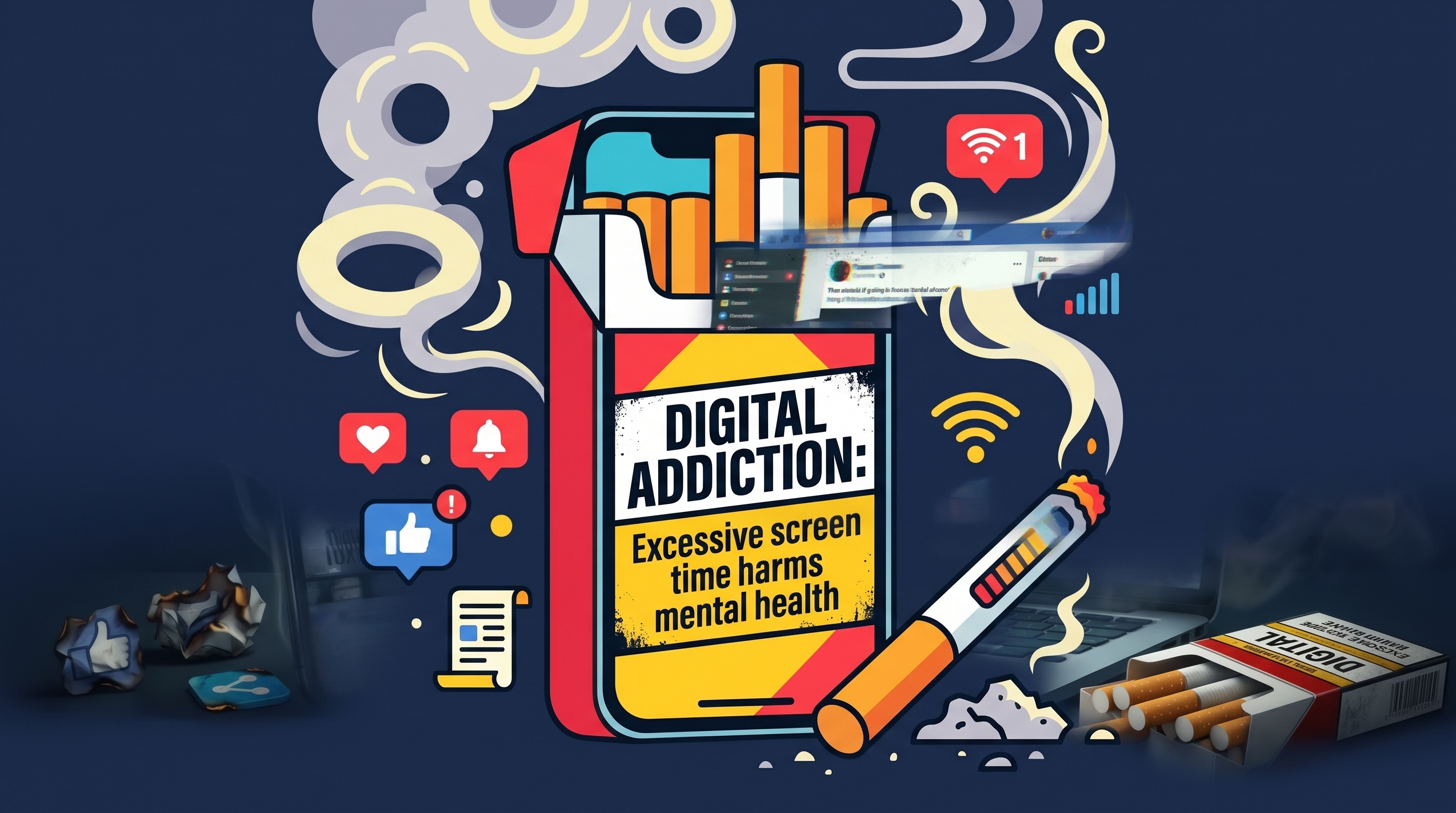
Technology as a Public Health Issue: The New Wave of Regulation
An analysis of the growing global trend toward restricting children's and adolescents' access to social media and other digital technologies.
Upcoming Seminar: Platform Regulation, Protection of Minors, and Freedom of Expression: The European Debate.
A new edition of the CELE Seminar.
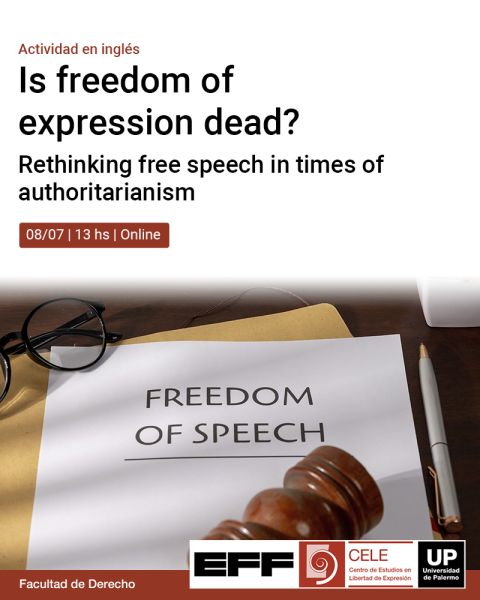
Is Freedom of Expression Dead? A Roadmap for Free Speech in the Age of Democratic Backsliding
Highlights from our joint virtual panel with EFF: UN Special Rapporteur Irene Khan and digital rights experts unpack how democratic backsliding and tech monopolies are reshaping free speech worldwide
Seminario: La libertad de expresión en el entorno digital
Algunos debates pendientes y desafíos en la jurisprudencia de la Corte Suprema

La avanzada autoritaria de Silicon Valley hace escala en Sudamérica
Las aventuras de Peter Thiel en Buenos Aires.

Data Access for Researchers
We participated with InternetLab in the consultation process with comments on a preliminary version of this regulation.
Notas de la comunidad en Meta: una nota sobre su comunidad
Meses atrás, Meta presentó un cambio sustancial en su estrategia de moderación de contenidos. En el centro de esta transformación se encuentra la suspensión de su programa de _fact-checking_ en ciertos países.
El futuro sombrío de los estudios de impacto en derechos humanos
Desde hace un tiempo el CELE ha investigado el uso de los "estudios de impacto en derechos humanos" en el ámbito de la tecnología. Sometidos a presiones regulatorias cruzadas, es probable que pronto pasen de moda.

Vanina Biasi: ¿Discurso de odio o crítica política?
Sobre el uso de acusaciones de "discurso de odio" como modo de censura

El juego no mirado: sobre avances en políticas antitrust
Una mirada al juego paralelo del antitrust, en Estados Unidos y Europa
En defensa del anonimato en las redes sociales
Periódicamente hay que defender el derecho a ser anónimo en internet.
Risks and Rewards: CELE y CiTiP co-organización sesión sobre riesgos sistémicos y derechos fundamentales en el Digital Services Act
Discusión en KU Leuven sobre el enfoque basado en riesgos y sus problemas

Jawboning and lawboning: comparing platform-state relations in the US and Europe
The concept of ‘jawboning’ refers to scenarios where the government pressures online services to moderate user content in ways going beyond

When does the bully pulpit become regular bullying?
Among the most important stories of the past generation is the transformational impact that the user-generated web, and social media platforms in particular, have had o
Threatening dynamics on Internet governance: the case of Europe and the Digital Services Act (DSA)
Threatening dynamics on Internet governance: the case of Europe and the Digital Services Act DSA As part of their research on the topic, CELE has characterized a threat of regulation as “any kind of public or private utt
Political Capital and Informal Platform Governance
It’s widely understood by close observers of platform governance and content moderation — but perhaps less widely mentioned in the interdisciplinary academic literature
Amenazas regulatorias y desafíos metodológicos
Simposio online: Amenazas regulatorias y desafíos metodológicos Durante los últimos años, el CELE ha investigado el uso de amenazas por parte de funcionarios públicos como mecanismo de gobernanza de las plataformas de In
This is hard
I’ve been writing about jawboning and free expression law for half a dozen years.
El acceso a datos para investigadores
Los desafíos de la sociedad civil frente a las plataformas digitales. Una conversación con Carlos Cortés y Laura Palacio.

La suspensión de X en Brasil
Entre la soberanía y la censura

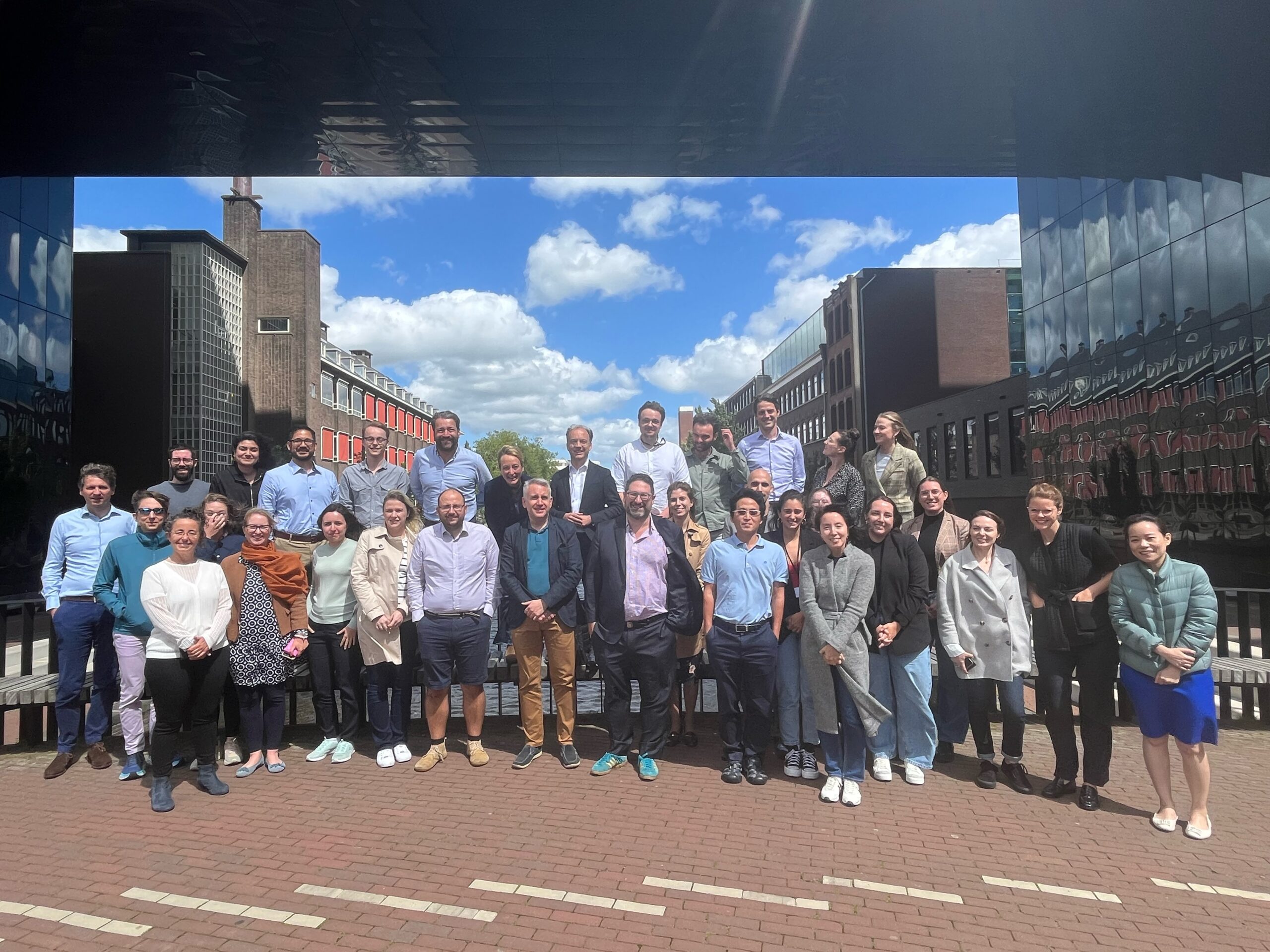
Actividades del CELE en Europa y el estado del debate sobre la DSA
Actividades del CELE en Europa y el estado del debate sobre la DSA El CELE, representado por su investigador Nicolás Zara, participó durante la última semana de junio del European Rights & Risks: Stakeholder Engagement F
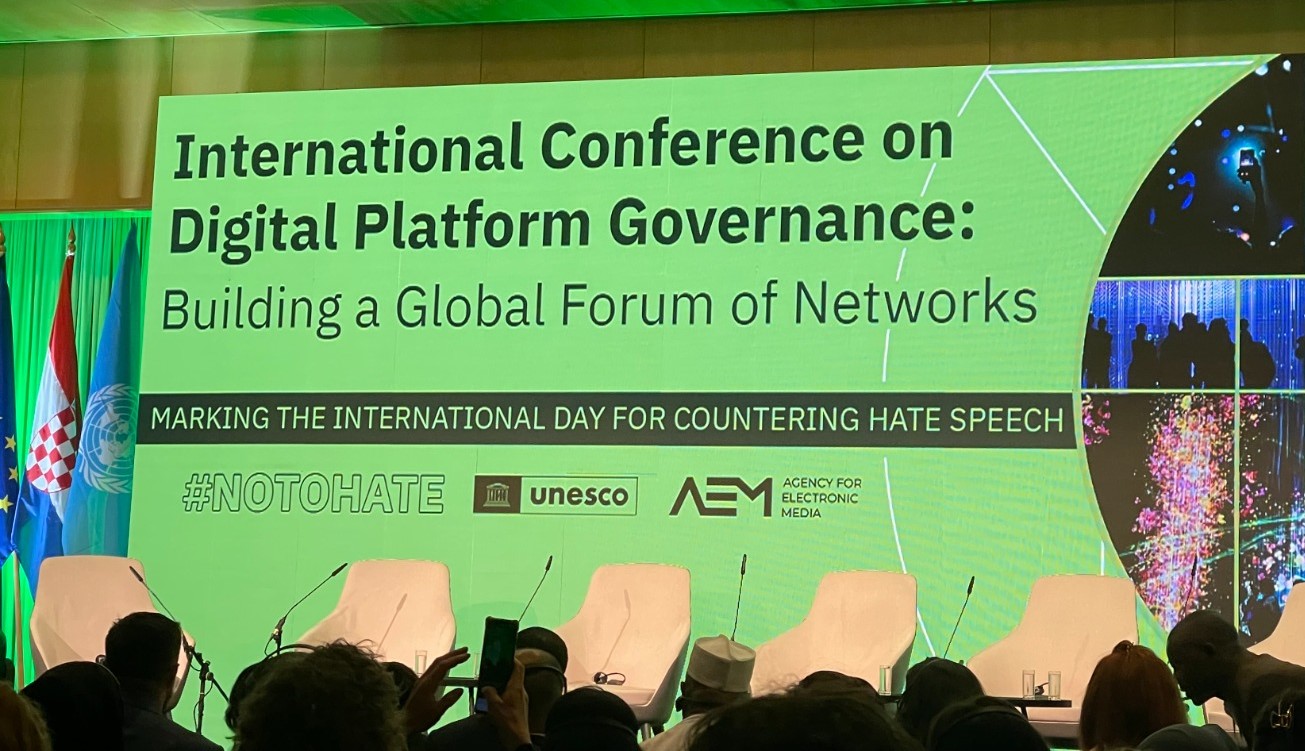
Participación del CELE en la International Conference on Digital Platform Governance
Algunas notas sobre un evento en Croacia sobre ""Building a Global Forum of Networks" de la UNESCO".
TikTok bajo amenaza en Estados Unidos y la Unión Europea
¿Qué implicaciones tiene para la libertad de expresión?

Participación del CELE en la quinta edición de la Civil Society Roundtable Series en Bruselas: la Sociedad Civil al frente
Participación del CELE en la quinta edición de la Civil Society Roundtable Series en Bruselas: la Sociedad Civil al frente
Seminario en Leiden
Entre la crítica y el rescate del discurso de derechos humanos para la gobernanza de Internet
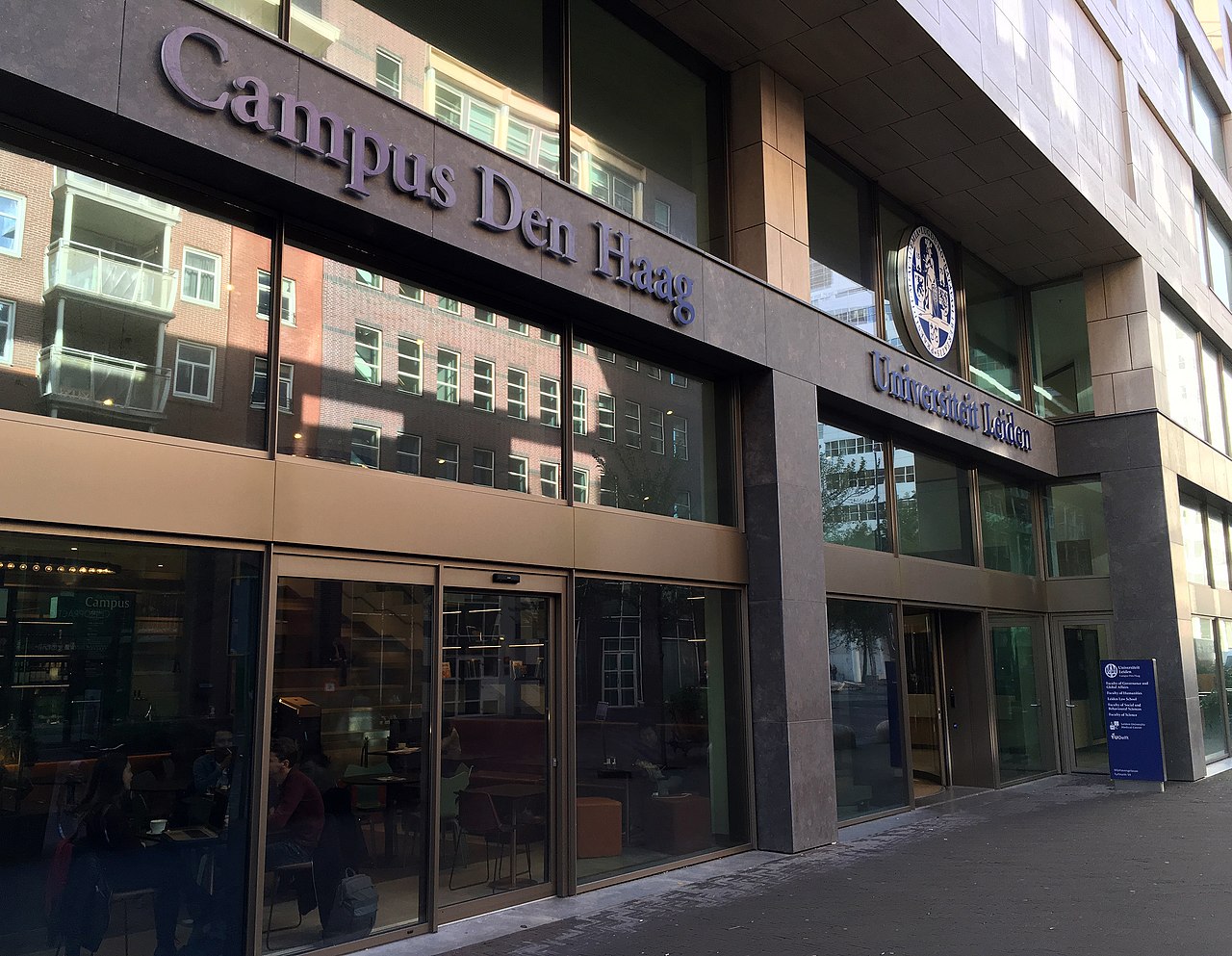
Entusiasmo, expectativa e incertidumbre: la participación del CELE en la DSA and Platform Regulation Conference en los Países Bajos
Entusiasmo, expectativa e incertidumbre: la participación del CELE en la DSA and Platform Regulation Conference en los Países Bajos
Comentarios del CELE a la consulta de la CE sobre la implementación de informes de transparencia de empresas en la Ley de Servicios Digitales de la Unión Europea
Comentarios del CELE a la consulta de la CE sobre la implementación de informes de transparencia de empresas en la Ley de Servicios Digitales de la Unión Europea
¿Gobernar mediante el acoso?
El difícil equilibrio entre amenazas ilegales y un gobierno eficaz.

Beyond Ethics: Why a Rights-Based Framework is Essential for AI Governance
In recent years, the issue of AI governance has gained significant attention, with various proposals and initiatives aiming to regulate and addre

Nueva publicación: “Community” in the Digital Realm
En el mes de octubre de 2021 el Proyecto de Sociedad de la Información de Yale junto a la Iniciativa Wikimedia sobre Intermediarios e Información.

OSINT y DDHH en América Latina
Nueva publicación del CELE: Inteligencia basada en fuentes abiertas OSINT y derechos humanos en Latinoamérica: un estudio comparativo en Argentina, Brasil, Colombia, México y Uruguay ¿Pueden los gobiernos “patrullar” int

Two problems for using Human Rights as Benchmarks in Human Rights Impact Assessments
In the last few years, CELE has been looking at how the ICT sector uses Human Rights Impact Assessments (HRIA) and other due diligence practices to assess their own conduct. Through a technical report we built a genealogy of the concept that clearly situated the impact assessments within the United Nations’ voluntary turn, at the beginning of the century, on the relationship between business and human rights. …
Seminario
Elecciones y desórdenes desinformativos.
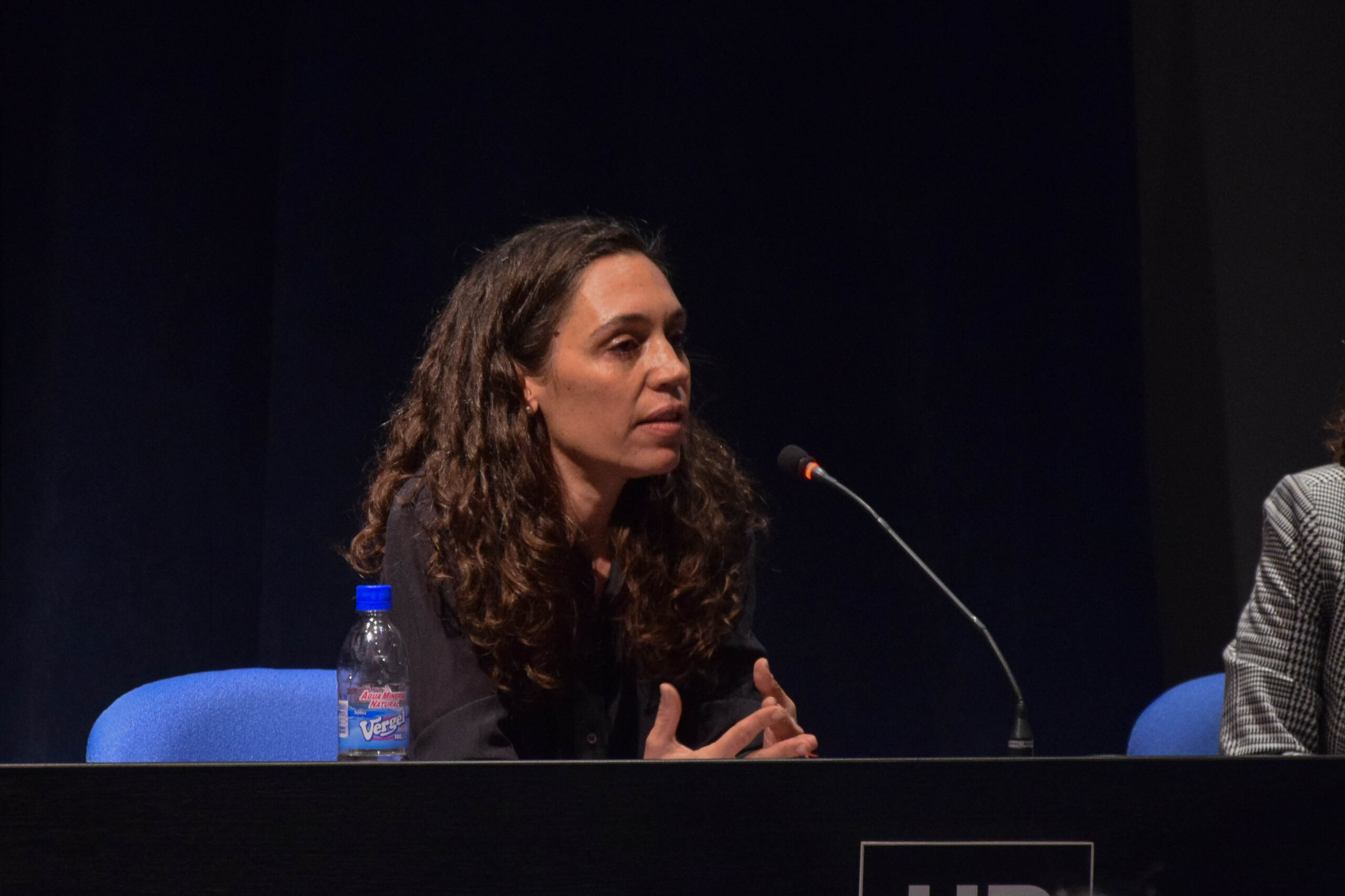
El liderazgo ¿estéril? de Brasil
Una de las principales preocupaciones del CELE es seguir de cerca los procesos regulatorios que afectan a Internet, bajo la premisa de que éstos determinan lo que Internet es para nosotro
Why Engaging with Trust and Safety Matters: CELE's Contributions to the Digital Trust and Safety Partnership Glossary
Why Engaging with Trust and Safety Matters: CELE's Contributions to the Digital Trust and Safety Partnership Glossary Trust and Safety plays a vital role in the digital world, encompassing a range of practices used by pr

Challenges to Majority World Participation in European Union's Data Access for Platform Researchers Consultation
Challenges to Majority World Participation in European Union’s Data Access for Platform Researchers Consultation Introduction Article 40 of the Digital Services Act (DSA) enables vetted public interest researchers to access data from very large online platforms with over 45 million active users in the European Union (EU). The EU recently opened a submission period for comments on the implementation of data …

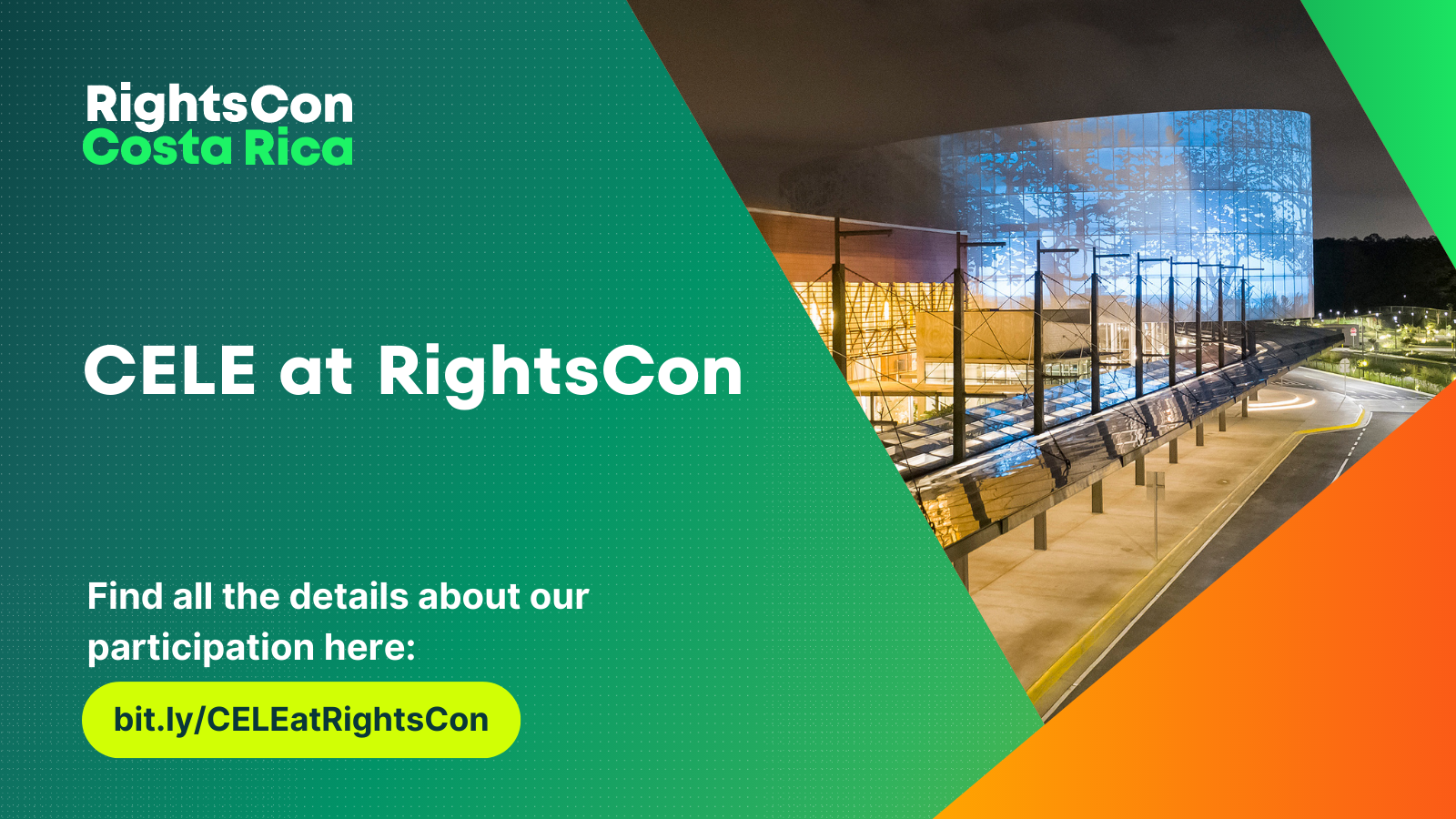
CELE at RightsCon 2023: our agenda and priorities
We are glad to share that this year we will be participating in RightsCon
Violencia de género digital en Colombia
Un proyecto que preocupa y una sentencia que marca el camino.
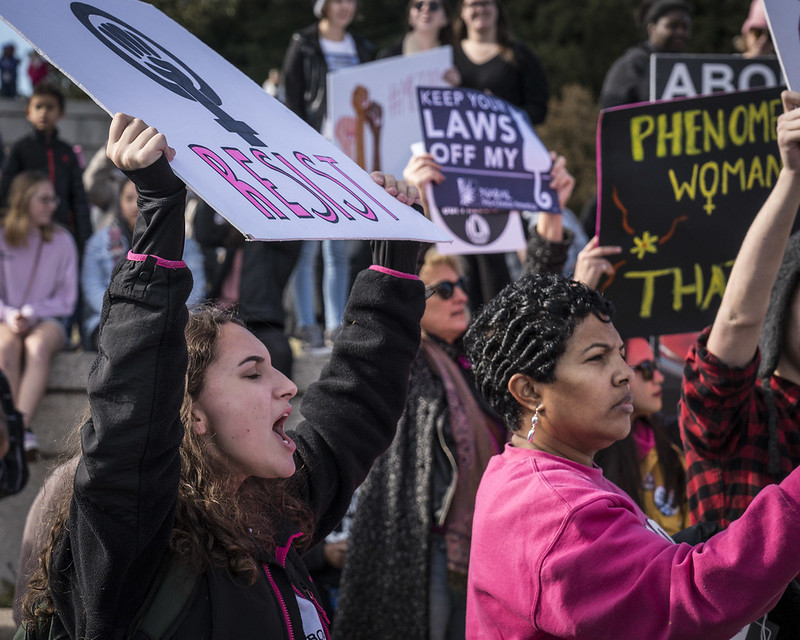
Regulación de plataformas en Brasil
Necesidad, peligros y contradicciones.
CELE en el Día Mundial de la Libertad de Prensa
UNESCO mejora su borrador sobre regulación de plataformas, pero se necesitan más esfuerzos en el proceso
CELE at World Press Freedom Day: UNESCO is improving its draft on platform regulation, but more work is needed to enhance the process
The latest version of the draft guidelines, published on April 27th, constitutes a significant improvement in this regard, as mentions of vague and overly broad concepts such as “content that risks significant harm to democracy” or “harmful” and “toxic” content have been eliminated or significantly reduced.
Un Protocolo peligroso y excluyente para los reporteros en el Perú
En los últimos años se ha producido un aumento significativo en el número de agresiones contra la prensa en el Perú.

Des-información en la democracia Brasileña
Des-información en la democracia Brasileña Un numeroso grupo de ciudadanos alteró el orden público, invadiendo el palacio Presidencial, el Congreso y la Corte Suprema en Brasil manifestando inconformismo con el resultado de las elecciones en las que se determinó un triunfo por parte de Luiz Inácio Lula da Silva, en representación de partidos asociados a la ideología de izquierda. Así mismo aseguraron, tajantemente, …
Los requisitos de presencia comercial en la DSA
El pasado 4 de octubre el Consejo de la Unión Europea aprobó la Ley de Servicios Digitales (Digital Services Act o DSA por sus siglas en inglés) la cual pretende regular la responsabilidad de las empresas sobre la moderación de contenido, aumentar la transparencia, proteger la privacidad de los usuarios y regular demás servicios que se desarrollan dentro del ámbito digital. Esta ley merece ser analizada y discutida …

Un debate amplísimo para cuidar el consenso democrático
El estreno hace algunas semanas de Argentina 1985 marcó la vuelta al centro de la escena de los crímenes de la última dictadura.
Content that is legal but harmful, and a lack of foresight in oversight
Last week, I had the honor and pleasure of participating in the conference organized by the Columbia Global Freedom of Expression Program: Regulating the Online
Panel de Alto Nivel del Consejo de Derechos Humanos de la ONU.
El panel estuvo constituido por la Relatora de Libertad de Opinión y Expresión de la ONU, Sra. Irene Khan, quien se refirió principalmente a las conclusiones de su informe de 2021; la Directora del CPSL (Content Policy and Society Lab) de Stanford y miembro del Oversight Board de Facebook, Julie Owono, quien habló de las medidas que las empresas deberían tomar frente a la desinformación y las decisiones del OB de …
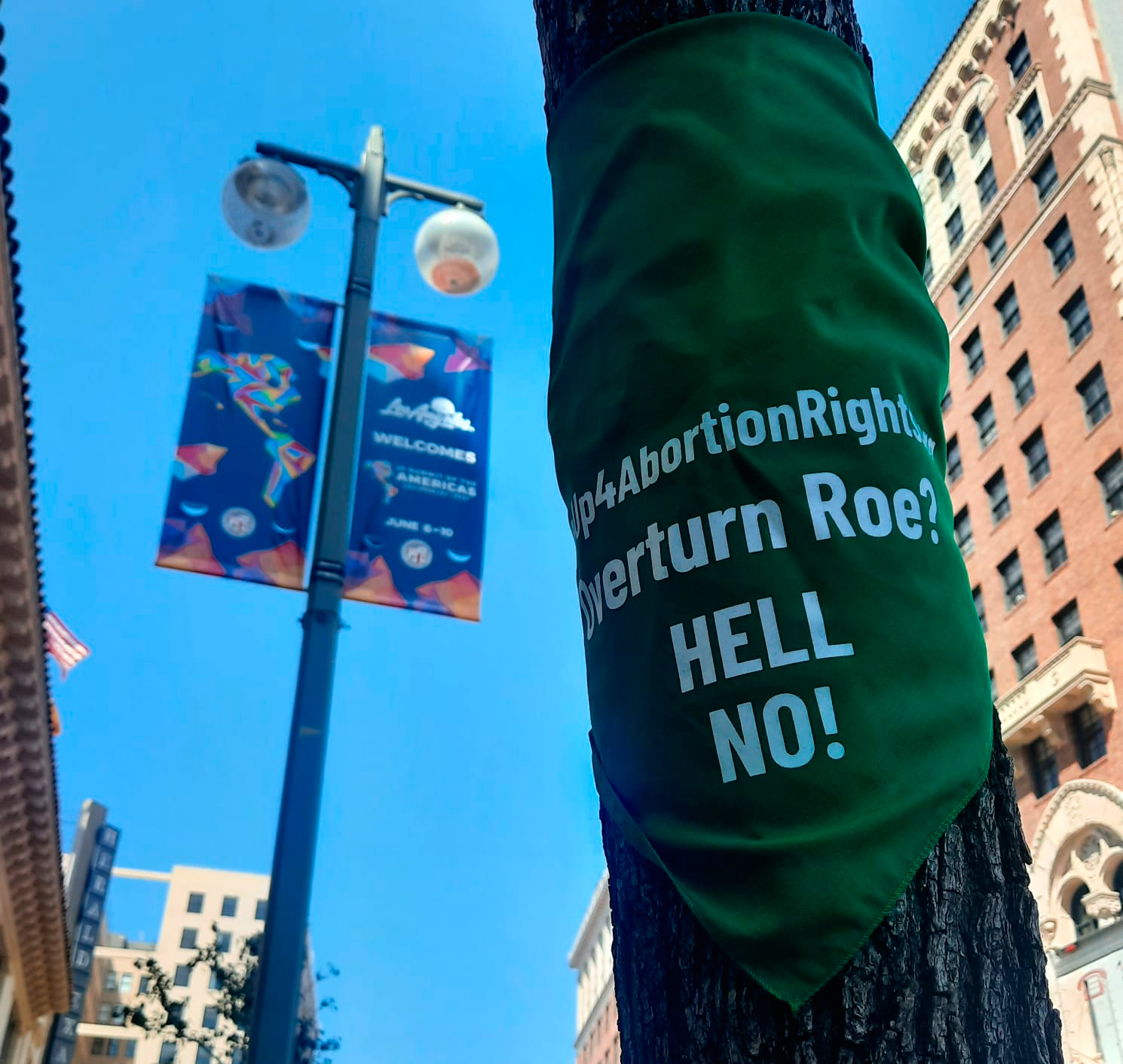
¿Qué cambios podemos esperar de las plataformas sin Roe v. Wade?
Vemos aquí cómo una decisión judicial, que reivindica iniciativas legislativas tendientes a criminalizar no solo el aborto sino cualquier medida que pueda entenderse como favorable al aborto, impactó en la información que circula en redes sociales en torno al tema. Con el objetivo de evitar responsabilidad civil e incluso penal por el contenido que permiten brindar en sus servicios, las empresas comenzaron a …
De la tecnocracia a la plutocracia
Permítanme poner sólo un ejemplo. Recientemente, el periodista argentino Gustavo Noriega se preguntó si la última tendencia corporativa de Twitter de reaccionar contra la desinformación está a punto de terminar ahora que Elon manda. Es un pensamiento interesante que vale la pena explorar. Supuestamente, Twitter está luchando contra la desinformación climática porque no cree en ella y la considera dañina para el …

La jurisprudencia como una red que crece
Durante el 2021, desde el CELE llevamos adelante una investigación sobre la jurisprudencia civil en materia de responsabilidad de intermediarios.
Deuda y fake news
En los siguientes párrafos voy a intentar reflexionar brevemente sobre la posibilidad de castigar las noticias falsas a partir de algunos eventos recientes.

Sobre las posibilidades de la censura privada
Dentro del equipo del CELE discutimos, la semana pasada, la cuestión de la censura privada—-es decir, los casos en los que personas u organizaciones son excluidas del debate público por decisión de empresas privadas que, alegando su propia libertad de expresión deciden expulsar de sus plataformas a personas con discursos indeseables, que violan sus términos y condiciones, etcétera (algunos le llaman deplatforming). …

No todos los usuarios son iguales (ni deberían serlo)
El discurso de funcionarios públicos y personas públicas puede ser igualado desde la perspectiva del potencial daño. Pero no es igual. Los funcionarios públicos tienen obligación de pronunciarse sobre ciertos temas por su labor, tienen obligaciones de decir verdad en ciertas instancias, y tienen penas incluso agravadas por manifestar falsedades. Como comprobamos con E Bertoni en un paper reciente, los actos …

¿A quienes necesita el debate público?
En ese ecosistema horizontal cada cual encontrará sus fuentes más confiables: podemos seguir en las redes sociales a todo tipo de personas, incluyendo—por ejemplo—a los principales asesores del presidente en los procesos de toma de decisiones sobre la pandemia, lo que ofreció algo de transparencia a un proceso por demás oscuro. Y seguramente sea deber de los ciudadanos de a pie revisar, periódicamente, esa confianza.

Los funcionarios públicos y la desinformación.
Los funcionarios públicos y la desinformación Esta semana presentamos un nuevo ensayo https://www.palermo.edu/Archivoscontent/2021/cele/papers/Desinformacion-y-funcionarios-publicos.pdf que desarrollamos con la Oficina R
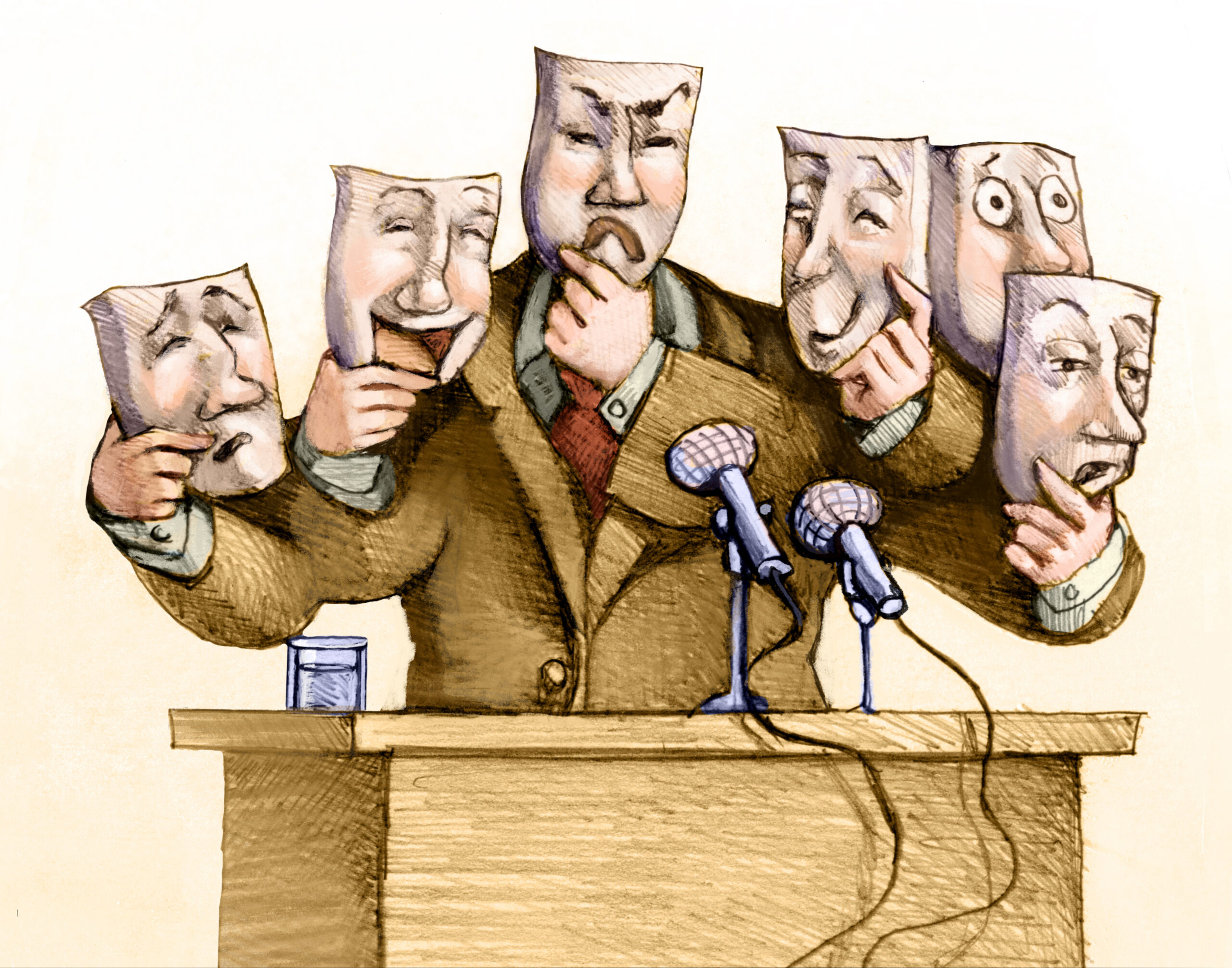
“Mirando Al Sur: Hacia nuevos consensos regionales en materia de responsabilidad de intermediarios y moderación de contenidos en Internet”.
¡Nueva publicación! “Mirando Al Sur: Hacia nuevos consensos regionales en materia de responsabilidad de intermediarios y moderación de contenidos en Internet”. El reporte ha sido preparado por Derechos Digitales y el CEL

OPORTUNIDAD CELE
Oportunidad para sumarse al CELE! Arrancamos dos proyectos nuevos y buscamos sociólogos y asistentes de investigación interesados en la materia. Como parte de la política del CELE, promovemos particularmente la postulación de diversidades étnico -raciales y de genero.
@CELEUP #RightsScon Schedule
RightsCon https://www.rightscon.org/ celebra sus 10 años en los derechos humanos en la era digital y el @CELEUP forma parte una vez más de los eventos a los que convoca. Este año se realizara 100% desde la virtualidad po
Las empresas y los derechos humanos
Desde el CELE venimos trabajando sobre el uso de mecanismos de “evaluación de impacto” en materia de derechos humanos por parte de empresas del mundo de la tecnología y las comunicaciones, con especial foco en la libertad de expresión. El tema nos resultó tan interesante como algo ajeno al comienzo.
Desglosando la nueva regulación europea contra la difusión de contenido terrorista en línea
El pasado miércoles 28 de abril, el Plenario del Parlamento Europeo aprobó la regulación sobre la lucha contra la difusión de contenidos terroristas en líneahttps://data.consilium.europa.eu/doc/document/ST-14308-2020-REV
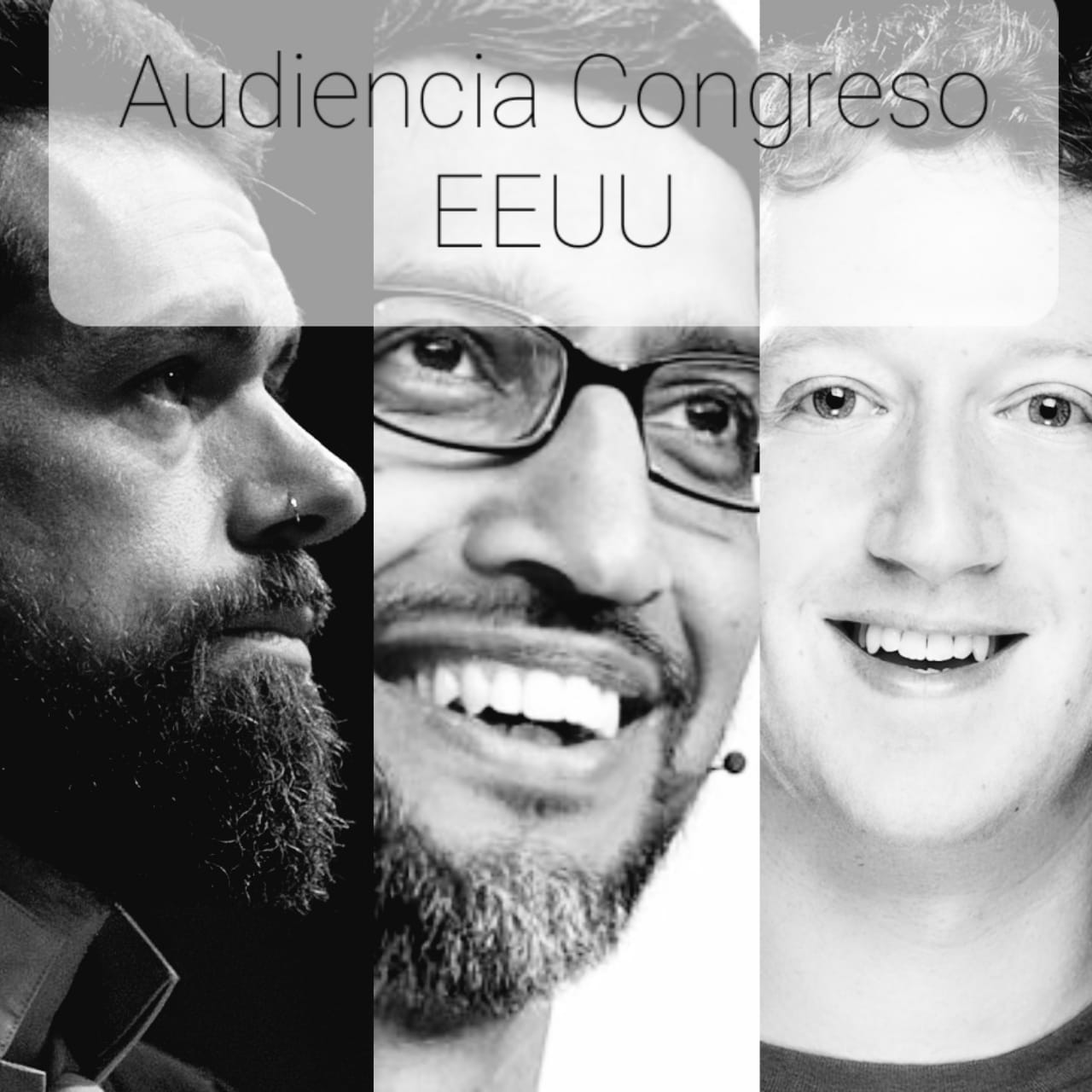
The Good, the Bad, and the Ugly of the Streaming Platforms' Hearing Before the U.S. Congress
To learn more about how social media platforms currently tackle misinformation, we recommend visiting letrachica.
Special Rapporteur on Freedom of Expression
At CELE, we welcome this first step the Commission is taking to address this issue, and we appreciate that it is doing so through a process of open, multisectoral dialogue. As this process begins, it is essential, on the one hand, to bring governments into this dialogue, given the growing legislative interest in the matter; to promote the participation of the entire region, including the U.S. government and civil …
LetraChica and the Oversight Board
The “supreme court” created by Facebook to review the most high-profile cases of content removal from the platform has already handed down its first rulings. Undoubtedly, the most important decision is still pending: let’s remember that the Content Advisory Board—as it is formally known—also holds the final say on the permanent suspension of former President Donald Trump’s account.
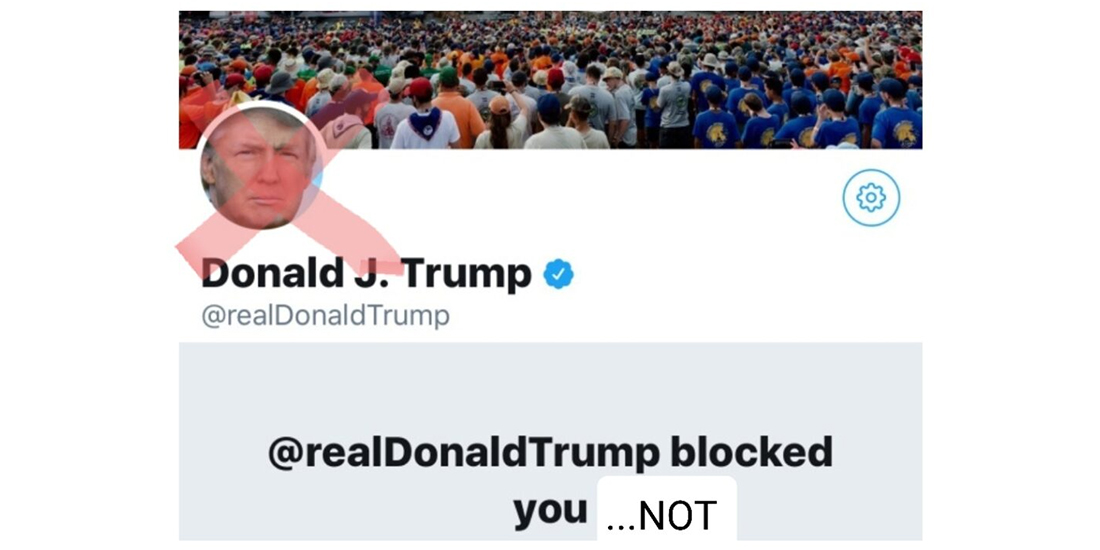
The Legitimacy of the New Stewards of Public Debate.
In January 2021, following the storming of the U.S. Capitol by far-right protesters and 10 days before the end of his presidency, Twitter indefinitely suspended the @realDonaldTrump account.

Latin America Legislative Report 2020/21
Starting this year, the CELE Legislative Observatory will be posting a summary of monthly legislative activity and/or regulatory developments, court decisions, or private content moderation decisions occurring in the nine countries that are part of the Legislative Observatory, providing context and links related to the topics of inter

El ostracismo de Trump
La decisión de múltiples plataformas de excluir de sus servicios a Donald Trump importa un punto de inflexión en el presente de la democracia que aún no comprendemos cabalmente.
2020 Annual Report
In 2020, CELE, together with its team of researchers and collaborators, produced more than 11 academic articles in its various areas of research. We continued to maintain the Legislative Observatory, the region’s only repository of laws and bills related to freedom of expression. In addition, through the iLEI, we launched two new research projects. The first focuses on the study of corporate self-regulation and its …
Building "Letra Chica"
The use of social media is governed by the rules that each platform establishes regarding user behavior within the community. Known as community guidelines, these set out guidelines for creating accounts, using third-party material, and sharing content, among other things. For most people, community guidelines tend to go unnoticed or only come into focus when they interfere in some way with the user experience. In …
CELE Director Agustina Del Campo's presentation at the UN Forum on Minority Issues, Nov. 19 & 20
Thursday, the 19th, 13th session of the UN Forum on Minority Issues. This year, the Forum brings together representatives of States, civil society, experts, and academics to discuss hate speech against minorities on social media. Our Director, Agustina Del Campo, was invited to join the panel on the regulatory and institutional framework to combat hate speech targeting minorities. Our panel was asked to address the …
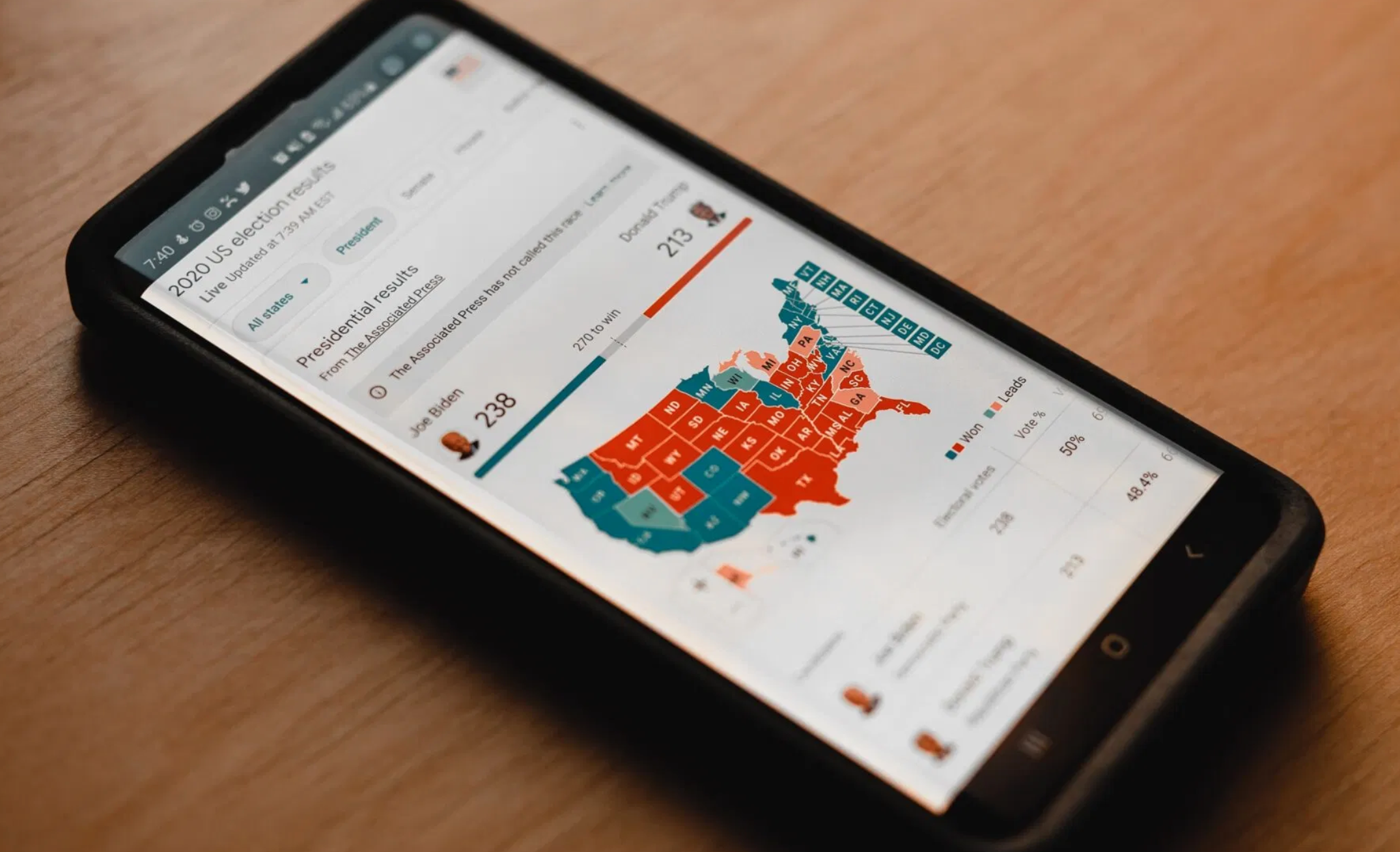
Social Media the Day After the U.S. Election
Here are some questions for us to ask ourselves the day after the U.S. elections end: Should fear be what guides the shifting of the red lines that protect political discourse, our right to be informed, and our right to know who wants to lead us during the elections? Or should the rules of the electoral process ensure that this happens by promoting more information, not less? How do we want social media to function …
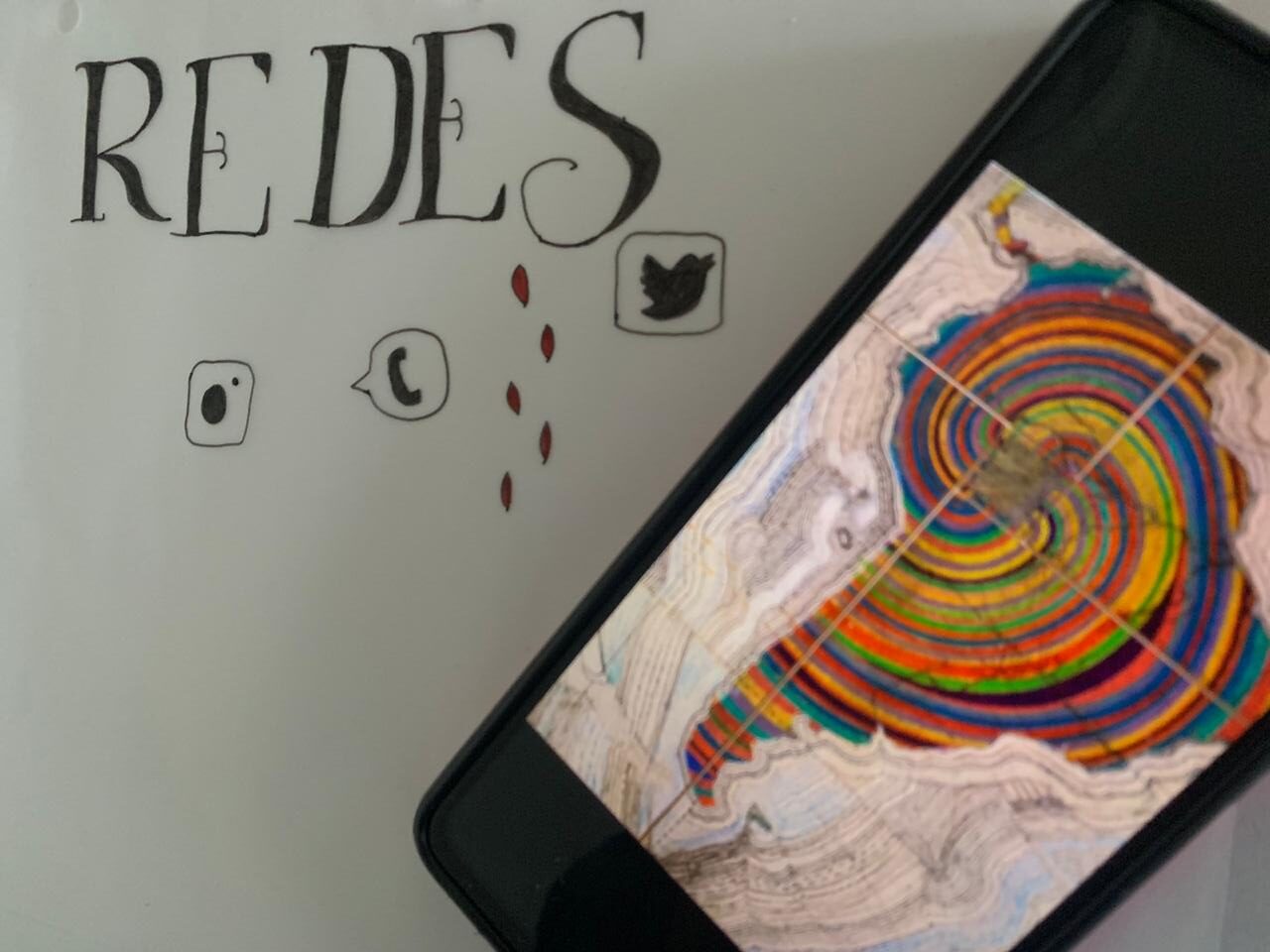
#platformlaw: How do appeals regarding private content moderation work?
In the public interest: Perhaps the distinction regarding the public interest is most useful for informing prioritization decisions. If the conversation or content is in the public interest, it should be prioritized. Such determinations will likely arise, however, from the intersection of two or more of the criteria we have already mentioned: local/regional context; the nature of the person (public or private); and …

Social Media in Latin America: Between a Rock and a Hard Place
Latin American users—particularly those involved in activism or social movements—find themselves caught between a rock and a hard place. In this context, it is more necessary than ever for civil society and activists in Latin America to speak out in global debates on content moderation practices and freedom of expression.
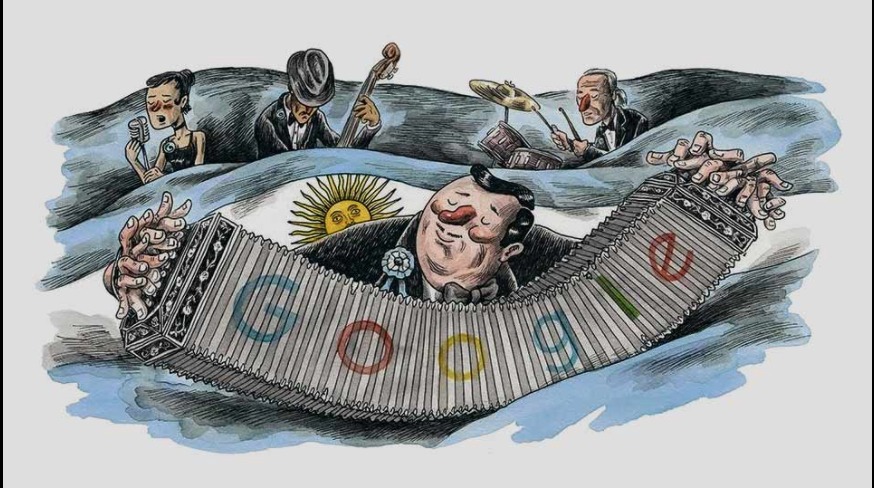
CFK vs. GOOGLE: Theoretically interesting, but in reality mundane
Last week, I was involved in several discussions regarding the motion for early discovery filed by and granted to Cristina Fernández de Kirchner (CFK) against Google LLC. Perhaps the most interesting aspect of this exchange was
Study on Facebook's Oversight Board: Adjusting Expectations
The International Criminal Court is commonly known as the "World Court." With Facebook's announcement that it will create an independent body to review the implementation and enforcement of its terms of service in

Colombia - CNE: Another Approach to Regulating Election Campaigns on Social Media
The National Electoral Council (CNE) in Colombia launched an investigation into one of the candidates for mayor of Tarqui, Huila, in the October 2019 elections because he used his personal Facebook account in May 2

Workshop: "Toward Better Internet Regulation in Latin America - #CELE20"
We invite you to participate in the 8th edition of the CELE workshop, “Toward Better Internet Regulation in Latin America.” This year, more than ever, it is important to understand our digital rights and what is happening with
TikTok got serious! A new form of protest
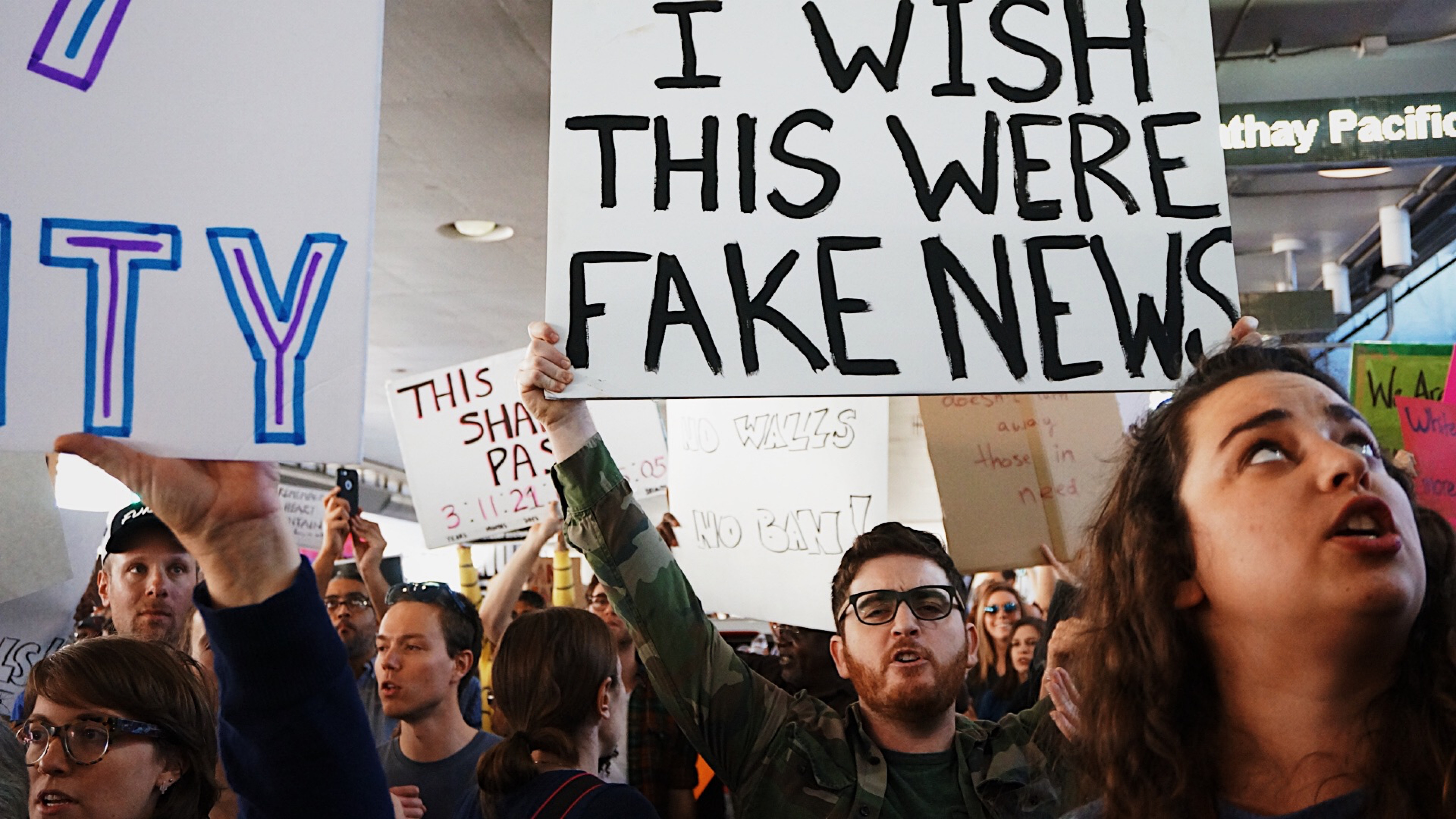
Over the past few weeks, we have witnessed massive protests by the Black Lives Matter movement, which have led hundreds of thousands of people in the United States and around the world to demonstrate against racism

The Brazilian Congress's approach to disinformation and platform regulation puts freedom of expression at risk
The COVID-19 pandemic and the political crisis that followed in Brazil sparked legislative efforts to address issues related to disinformation and platform regulation.

Putting it in context: Zuckerberg’s publishing company, the Twitter-Trump conflict, and the responsibility of intermediaries in the face of long-standing social problems
On Thursday, June 18, the Clarín newspaper republished an editorial by Mark Zuckerberghttps://www.clarin.com/opinion/facebook-alentara-voto-participacion-diversidad-voces-elecciones-ee-uu-07zYD2-ubr.html, founder and CEO of F
Facebook Under Scrutiny: Exceptions for Journalistic Interest and Political Speech
Given the importance of issues such as freedom of expression, surveillance and privacy, policing, and private and public censorship at this particularly critical moment both globally and locally, we are republishing an article that we believe is relevant, insightful, and timely.

The Pandemic and Combating Misinformation
COVID-19 also sparked a pandemic of misinformation on social media. Conspiracy theories, miracle cures, alternative or experimental treatments, and healing blessings are the order of the day. L

The Active Role of Platforms During the Pandemic: A Review of Their Policies and the Gaps That Are Beginning to Emerge
The outbreak of the COVID-19 pandemic has left the entire world on edge. While researchers, doctors, and scientists are focusing on possible solutions or measures to slow the spread of the virus,

Freedom of Expression: Between Logic and Democracy
A simple logic problem for our students stuck at home in the midst of the pandemic: 1. The newspaper “Mentirulo” spreads “fake news” online. The platform verifies the information using fact-checking methods
The “proper use” of social media?
In October of last year, a bill was introduced in the Colombian Congresshttps://observatoriolegislativocele.com/colombia-proyecto-de-ley-sobre-regulacion-del-buen-uso-y-funcionamiento-de-redes-sociales-y-sitio

European Copyright Directive
The European Copyright Directive and Its Impact on Users in Latin America and the Caribbean: A Perspective from Civil Society Organizations CELE, together with other organizations that are part of the
Some regional trends
What does the current regulatory landscape tell us? Generally speaking, at the regional level, we can identify some conclusions and trends common to all the countries analyzed, which provide context for the charts that p

Bienvenida al Blog del #ObservatorioCELE!
Queremos darles la bienvenida al Blog del Observatorio Legislativo del CELE! Esta nueva sección será un espacio para compartir novedades, curiosidades y análisis vinculados a los debates legislativos que están ocurriendo



Publications
What we can and cannot expect from the exercise of public functions by private platforms
CELE Research Paper No. 75Platforms have been increasingly assuming functions that do not differ much in nature from those performed by states: rule-making, adjudication, and enforcement authority over users' expressions and conduct. What began as voluntary self-regulation, enabled by legal architectures such as Section 230 of the Communications Decency Act and the EU's e-Commerce Directive, has evolved into a model of outsourced governance in which states mandate private, profit-seeking actors to perform quasi-public functions, stripped of …
El uso de la inteligencia artificial generativa en la publicidad: hacia un enfoque flexible y basado en el riesgo
CELE Research Paper No. 73El artículo examina las obligaciones de transparencia y etiquetado aplicables al contenido publicitario creado con inteligencia artificial generativa, con foco en el artículo 50 de la Ley de Inteligencia Artificial de la Unión Europea. Repasa los marcos ya vigentes sobre comunicaciones comerciales —publicidad engañosa, prácticas comerciales desleales, regulación de la publicidad en línea y autorregulación de la industria— y analiza la distinción entre el marcado legible por máquina del artículo 50.2 y la …
The Use Of Generative Ai In Advertising: Towards A Flexible And Risk-Based Approach
CELE Research Paper No. 72The article examines the transparency and labelling obligations that apply to advertising content created with generative artificial intelligence, focusing on Article 50 of the European Union's Artificial Intelligence Act. It reviews the frameworks already governing commercial communications — misleading advertising, unfair commercial practices, online advertising regulation, and industry self-regulation — and analyses the distinction between the machine-readable marking required under Article 50.2 and the public …
Moderating Hate or Moderating Rights? The Paradox of the European Approach to Online Hate Speech and Platform Liability
CELE Research Paper No. 69SSRN ID: 5432875This paper critically assesses the European approach to regulating online hate speech through platform liability frameworks, focusing on Germany’s Network Enforcement Act (NetzDG) and the European Union’s Digital Services Act. It argues that these laws, while aiming to curb online harm, risk infringing on the right to freedom of expression and non-discrimination by delegating content moderation powers to private, profit-driven companies. The paper highlights how tight removal deadlines, legal ambiguity, and …
Trust and Safety's Blindspots: A Latin American Perspective
CELE Research Paper No. 68, forthcoming in Maia Levy Daniel, Amanda Menking, Marlyn Thomas Savio, & Jean Claffey, Trust, Safety, and the Internet We Share: Multistakeholder Insights, Abingdon, United Kingdom: Taylor and Francis (flate 2025)SSRN ID: 5355934Trust and safety is slowly but steadily emerging in the United States as an independent field of study and practice. Several initiatives—such as the recent Glossary of Trust and Safety Terms issued by the Digital Trust and Safety Partnership (DTSP)—are attempting to lay the groundwork for a common language among researchers, corporate officials, and practitioners who routinely take part in a set of practices designed to manage the way some internet services are used. A set of normative goals are embedded in the …
Emerging Technologies and Human Rights from the Perspective of the Inter-American Legal Framework
CELE Research Paper No. 71SSRN ID: 5812182This article seeks to introduce the main challenges posed by emerging technologies and highlight some human rights standards within the framework of the Inter-American Human Rights System (SIDH) that can contribute to the debate and guide responses. Without aspiring to an exhaustive analysis, the text will lay the foundation for future, more in-depth research, identifying critical areas of concern and the relevant legal instruments within the IAHRS. This document is based on four previous essays
Reclaiming Human Rights for Platform Governance: Proposals for Restoring Their Centrality in the Era of Risks
CELE Research Paper No. 66. Publisghed in Proceedings of Fourth European Workshop on Algorithmic Fairness, in Proceedings of Machine Learning Research 294:265-280 Available from https://proceedings.mlr.press/v294/del-campo25a.html.SSRN ID: 5265938The Digital Services Act can potentially become a tool for change toward a more rights-abiding, competitive European digital platform ecosystem. However, as it currently stands, it is prone to be misused as a powerful tool for censorship as well as a tool to displace human rights as the backbone of the rule of law in modern democracies. Its risk-based and “new governance” approach to regulation puts rights on the back burner, and, while paying lip service to them, takes them off the center stage. This is …
Digital constitutionalist theorists propose a framework to analyze and potentially resolve power struggles in the digital age, particularly—although not exclusively—power struggles over content management. The concept is proposed as both a historical moment and a theoretical framework and has been developed mainly in Europe. The model could have potential for globalization and proposes an interesting approach to power struggles in an age of inter-jurisdictional technology and a highly concen
Regulatory Modeling. Tracking the Influence of the Digital Services Act in Latin America
CELE Research Paper No. 63; Latin American Journal of European Studies, 2025[ 10.51799/2763-8685v5n1017 ]SSRN ID: 5197380This article discusses the Digital Services Act (DSA) of the European Union as a possible candidate for a process of regulatory modeling, one of the mechanisms through which the laws of a country or a region migrate to other countries. It is a relatively usual global phenomenon, in which it is possible to expect certain dynamics, such as the prevalence of central countries or the advantages of first movers. In this work we argue that Latin American legislators are showing signs of wanting to imi
Are Risks the New Rights? The Perils of Risk-based Approaches to Speech Regulation
16 (2025) JIPITEC 238SSRN ID: 5161173This paper discusses the risk-based approach of the Digital Services Act (DSA) of the European Union. By embracing open-ended standards instead of rules and by imposing broad risk-identification and mitigation obligations on private parties, the DSA pushes forward a form of managerial co-regulation that is a paradigmatic shift in platform regulation, that has already influenced other regulatory proposals around the globe. This paper argues that the move is consequential from the perspective of t
On the Metaphor of Social Media as a Public Forum in the United States
CELE Research Paper No. 60SSRN ID: 5158664The goal of this study is to define the scope of the public forum doctrine in the United States and assess its applicability to social media. Although this research is conducted from a Latin American perspective, the focus on the United States is justified for two reasons. First, one of the earliest explicit references to social media as public forums emerged in the United States. Second, the United States has a well-established body of case law on the public forum doctrine, where its nuances an
Platform Oversight: A Neglected Link in Internet’s Regulatory Futures
CELE Research Paper No. 56SSRN ID: 5157829Since the mid-2000s, there have been multiple and wide-ranging proposals for traditional regulation, co-regulation, and self-regulation of digital platforms and Internet companies. The proliferation of regulatory proposals, framework agreements between states and companies, and unilateral commitments by multiple companies have generated a system of rules of a different legal nature that impact the functioning and conduct of the Internet intermediary ecosystem. Still, while substantive standards
Requiring the Local Presence of ICT Companies: An International Human Rights Law and International Economic Law Perspective
CELE Research Paper No. 55SSRN ID: 5157351Recently, we have seen a proliferation of laws and legislative proposals worldwide that impose the creation of some form of legal-commercial link or local connection between information and communication technology (ICT) companies—mainly social media platforms—and the countries where they operate. Depending on the case, the chosen method to achieve this objective involves requiring a commercial presence, appointing a local representative, localizing data, or hiring local personnel. These initiat
Supervisión de la plataforma: un aspecto a tener en cuenta en los futuros regulatorios de Internet
CELE Research Paper No. 56Agustina Del Campo, “Supervisión de la plataforma: un aspecto a tener en cuenta en los futuros regulatorios de Internet”, Artículo de investigación No. 56 (ESP), Centro de Estudios en Libertad de Expresión (CELE), Buenos Aires (2023)
La exigencia de presencia local a las empresas TIC: una mirada desde el derecho internacional de los derechos humanos y el derecho económico internacional
CELE Research Paper No. 55El artículo analiza normas de 11 países y de la Unión Europea que obligan a las empresas de tecnologías de la información y la comunicación (TIC) a tener presencia comercial, representantes locales o datos alojados en el país. Desde el derecho comercial internacional, los autores señalan que su compatibilidad con el Acuerdo General sobre el Comercio de Servicios (AGCS) depende de los compromisos de cada Estado. Desde la libertad de expresión, aplican el test tripartito y mencionan los tratados de asistencia legal …
Supporting Media Viability in the Americas. Towards Sustainable Journalism
CELE Research Paper No. 54SSRN ID: 5157185If journalism is an essential gear of democracy, then democracy is somewhat in danger. While the Internet has offered the world unparalleled access to information, journalism as an industry is in crisis. In many countries around the world, but especially in Latin America, the possibility of making a living out of the desire to tell stories is increasingly shrinking. Media outlets suffer from the migration of private and public advertising to the Internet, a process that has empowered several int
Are Public Officials’ Lies Unsustainable or Do they Have Far Reaching Effects?
CELE Research Paper No. 51SSRN ID: 5156671State responses to the recent “crisis” caused by misinformation in social media have mainly aimed at penalizing its authors or establishing liability for those who facilitate its dissemination. Internet companies, especially large platforms, have deployed numerous techniques, measures, and instruments to address the phenomenon. However, little has been done to identify the origin of misinformation and evaluate the phenomenon in light of specific obligations from certain sectors. In this paper we
Looking South: Towards New Regional Consensus on Internet Intermediary Liability
CELE Research Paper No. 49SSRN ID: 5154647In Latin America, there is no consensus on the appropriate regulations for dealing with internet intermediary liability. The Office of the Special Rapporteur for Freedom of Expression of the OAS established regional guidelines for regulating intermediary liability in 2013 and 2016, aiming to protect freedom of expression. However, these guidelines have not been successfully incorporated into the domestic regulatory frameworks of various countries, with the exception of Brazil. In general terms,
The New Normal? Disinformation and Content Control on Social Media during COVID-19
CELE Research Paper No. 48SSRN ID: 5154565This document addresses the measures that Facebook, Twitter, and YouTube implemented to address problematic content related to COVID-19 on their platforms. Known mainly as community guidelines, these rules are the basis for the moderation actions carried out by these services on user content. The main purpose of this paper is to understand the impact that COVID-19 had on community guidelines.
Human Rights Impact Assessments: Trends, Challenges, And Opportunities for ICT Sector Adoption
CELE Research Paper No. 45SSRN ID: 5152219In our previous work, we sought to place human rights impacts assessments (HRIA) within their history. We showed how the institute comes from a set of corporate practices that rest uncomfortably within different frameworks. On the one hand, HRIAs stem from the environmental impact assessments developed in the 1960s and 1970s as the legal and procedural mechanism to ensure that private companies respect minimum environmental standards defined by law and enforced by administrative agencies. On the other hand, HRIAs …
ICT and Human Rights: Towards a Conceptual Framework of Human Rights Impact Assessments
CELE Research Paper No. 43SSRN ID: 5152205The development of Human Rights Impact Assessments (HRIAs) has gained increasing attention as a tool for evaluating the intersection between corporate practices and human rights. Initially framed within the United Nations Guiding Principles on Business and Human Rights (UNGPs) , particularly the “Protect, Respect, and Remedy” (PRR) framework developed by John Ruggie, HRIAs have been largely applied in sectors such as extractive industries. However, their potential role in the Information and Com
Considering Facebook Oversight Board: Turning on Expectations
CELE Research Paper No. 37SSRN ID: 5152017The International Criminal Court is popularly referred to as the “world Court”. With Facebook’s announcement to create an appeals, independent body to review the application and enforcement of its terms of service over its 2.7 billion users all around the globe, the term “World Court” probably gained at least one more, new-found meaning. Since the creation of this body launched there have been advocates for and against it. The common lines among both sides is that 1) this is a …
Secrets and Lies: WhatsApp and Social Media in Brazil's 2018 Presidential Election
CELE Research Paper No. 36SSRN ID: 5152001The 2018 Brazilian presidential elections marked a turning point in the role of digital platforms in political campaigns, with WhatsApp emerging as a central tool for information dissemination, mobilization, and disinformation. This study examines the use of WhatsApp as a mechanism for political communication, focusing on the viralization of false news and its impact on the electoral process. The research contextualizes the political landscape in Brazil leading up to the elections, analyzing the
WhatsApp, Mobile Politics and Disinformation: How did Fake News Go Viral in the Brazilian Elections?
CELE Research Paper No. 35SSRN ID: 5146457This paper examines the role of WhatsApp as a vehicle for the dissemination of disinformation during the 2018 Brazilian presidential elections. Given WhatsApp’’s widespread adoption in Brazil—where over 120 million users rely on the platform—its use as a political mobilization tool has intensified. The study analyzes how the platform’’s encrypted, private network structure facilitated the large-scale spread of false information, contributing to the polarization of public opinion and …
Content Moderation and Private Censorship: Standards Drawn from the Jurisprudence of the Inter-American Human Rights System
CELE Research Paper No. 32SSRN ID: 5146372This submission seeks to bring some of the standards that could be drawn from the Inter-American Human Rights System to the questions posed by the Rapporteur in his call for submissions on Private content regulation in the digital age. In the words of the Rapporteur, “Private companies facilitate an unprecedented global sharing of information and ideas. Social and search platforms in particular have become primary sources of news and information (and disinformation) for hundreds of millions of people. With that …
Fake News on the Internet: The Strategy to Combat Misinformation
CELE Research Paper No. 30SSRN ID: 5138107The article explains the measures that Facebook and Google have announced to combat misinformation and includes a brief reference to YouTube and Twitter. Likewise, the paper attempts to determine what the geographical coverage of these measures will be. Subsequently, as a conclusion, it exposes what the problems behind the proposed solutions may be in four points: i) scale and time, ii) impact, iii) the role of civil society and iv) transparency.
Internet Access in Argentina. Lessons Learnt from the Argentina Conectada Plan
CELE Research Paper No. 27SSRN ID: 5138093This report aims to provide an analysis of some aspects of the implementation of the national broadband plan Argentina Conectada. Given that internet access is key to the realisation of fundamental rights and, therefore, states must actively promote it, the effective implementation of plans such as Argentina Conectada is fundamental to achieving the objectives of connectivity. Hence the importance of learning from past failures and mistakes in order to build on them for a better future.
El "internet de las cosas": más internet que otra cosa
CELE Research Paper No. 23Carlos Cortés, “El “internet de las cosas”: más internet que otra cosa”, Artículo de investigación No. 23, Centro de Estudios en Libertad de Expresión (CELE), Buenos Aires (2014)
The ‘Internet of Things’: More Internet than Anything Else
CELE Research Paper No. 23SSRN ID: 5138077CELE Research Paper No. 23
Towards a Comprehensive Public Information Management Policy: Everything we Always Wanted to Know About Archives (and Never Dared to ask Access to Information)
CELE Research Paper No. 19SSRN ID: 5138071CELE Research Paper No. 19
Collaboration in ‘Cuadernillos de Temas Emergentes’ of the National Institute of Human Rights of Chile
CELE Research Paper No. 18SSRN ID: 5138054Here, we present the work carried out by the Internet Freedom of Expression Initiative (iLEI), CELE’s special programme that aims to provide advice and technical support to Internet policy makers and advocates. Net neutrality, privacy, copyright, intermediary liability, and their relationship to fundamental rights are some of the topics that appear in this compilation. All of these are issues that have appeared in the regulations and legislative proposals that have started to be drafted in Lati
Net Neutrality: The Tension Between Non-Discrimination and Management
CELE Research Paper No. 16SSRN ID: 5137990CELE Research Paper No. 16
The Housekeeper’s Keys: The Strategy of Internet Intermediaries and Its Impact on the Digital Environment
CELE Research Paper No. 14SSRN ID: 5125903CELE Research Paper No. 14
Domain Names: An Expression Worth Protecting. Recommendations and Suggestions for Local Administrators in Latin America and Beyond
CELE Research Paper No. 10SSRN ID: 5125849CELE Research Paper No. 10
Slander and Libel: Two Years After the Reform of the Argentine Penal Code
CELE Research Paper No. 9SSRN ID: 5125804CELE Research Paper No. 9
National Security and Access to Information in Latin America: State of Affairs and Challenges
CELE Research Paper No. 8SSRN ID: 5125798CELE Research Paper No. 8
CELE Research Paper No. 6
Access to Information Training Approaches for Government Officials
Research Paper No. 2Natalia Torres y Luis F. Esquivel, “Access to Information Training Approaches for Government Officials”, Artículo de investigación No. 2, Centro de Estudios en Libertad de Expresión (CELE), Buenos Aires (2011)