
Democratic erosion
Featured
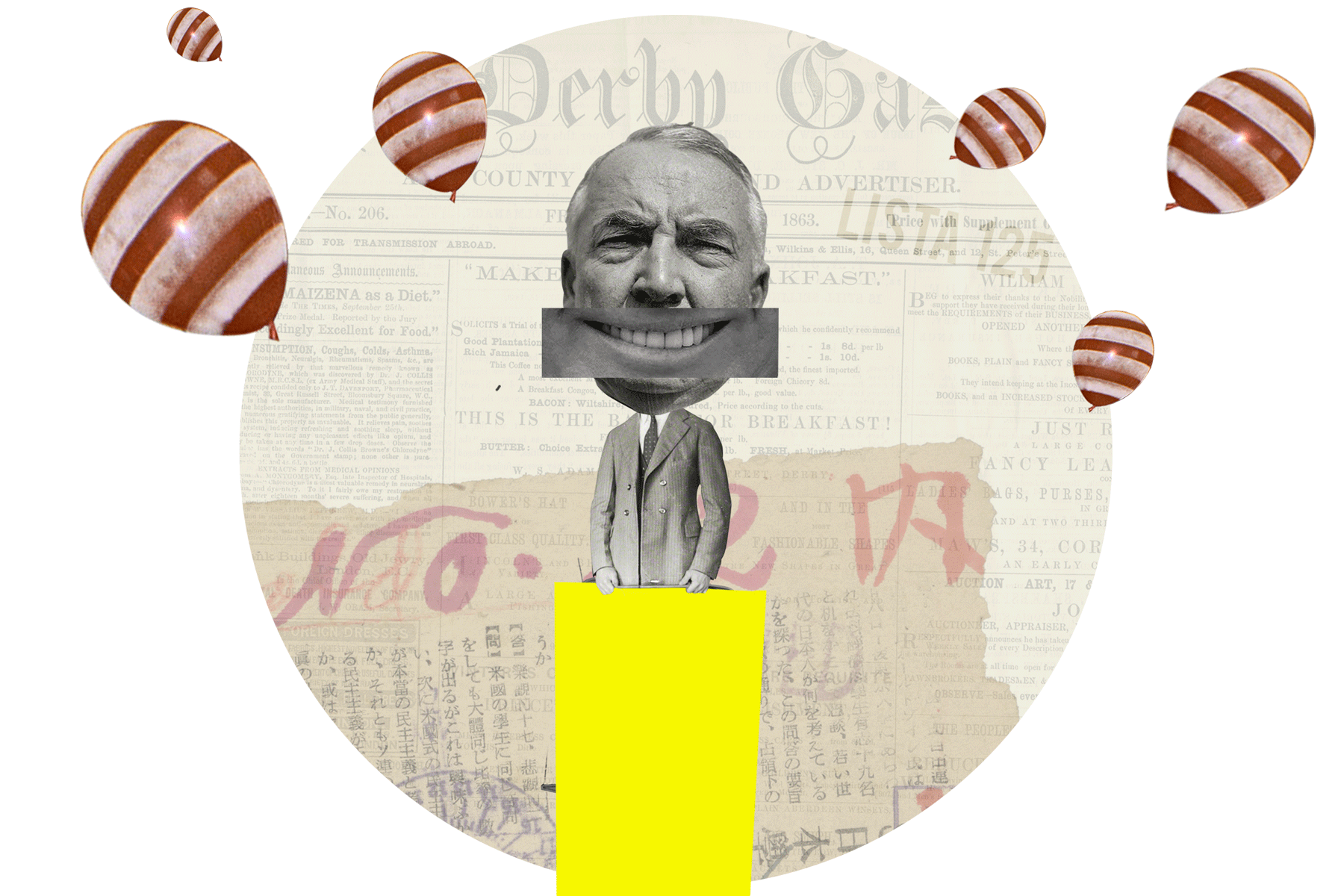
La avanzada autoritaria de Silicon Valley hace escala en Sudamérica
Las aventuras de Peter Thiel en Buenos Aires.

Latest news and analysis
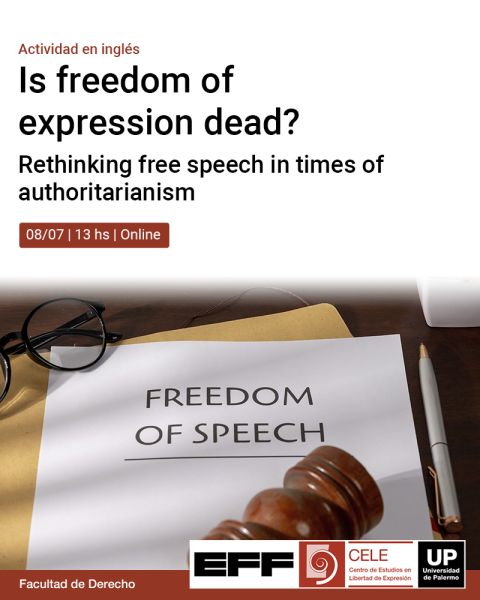
Is Freedom of Expression Dead? A Roadmap for Free Speech in the Age of Democratic Backsliding
Highlights from our joint virtual panel with EFF: UN Special Rapporteur Irene Khan and digital rights experts unpack how democratic backsliding and tech monopolies are reshaping free speech worldwide
Test translation
This should be translated.
Audiencia CIDH sobre libertad de expresión en la Argentina
Diferentes organizaciones de la sociedad civil, representantes sindicales y delegados del Estado argentino participaron el pasado 19 de noviembre en la audiencia sobre la situación de la libertad de expresión en la Argentina.

¿Quiénes defienden la libertad de expresión en América Latina?
Nuevos datos para una vieja discusión en América Latina.
La integridad de la información, ¿un proyecto irrealizable?
La integridad de la información es un concepto confuso, que resulta vago y ambiguo y que ---como tal--- es poco útil para pensar en la gobernanza del ecosistema digital.

Vanina Biasi: ¿Discurso de odio o crítica política?
Sobre el uso de acusaciones de "discurso de odio" como modo de censura

En defensa del anonimato en las redes sociales
Periódicamente hay que defender el derecho a ser anónimo en internet.
Towards a regulatory threats comparative research agenda
It was our pleasure to host this online Symposium on regulatory threats

Jawboning and lawboning: comparing platform-state relations in the US and Europe
The concept of ‘jawboning’ refers to scenarios where the government pressures online services to moderate user content in ways going beyond
Threatening dynamics on Internet governance: the case of Europe and the Digital Services Act (DSA)
Threatening dynamics on Internet governance: the case of Europe and the Digital Services Act DSA As part of their research on the topic, CELE has characterized a threat of regulation as “any kind of public or private utt
Amenazas regulatorias y desafíos metodológicos
Simposio online: Amenazas regulatorias y desafíos metodológicos Durante los últimos años, el CELE ha investigado el uso de amenazas por parte de funcionarios públicos como mecanismo de gobernanza de las plataformas de In
This is hard
I’ve been writing about jawboning and free expression law for half a dozen years.
Algunas notas sobre libertad académica
La semana pasada participé de un panel sobre libertad académica en la Global Free Speech Summit, convocada por el proyecto The Future of Free Speech.
La suspensión de X en Brasil
Entre la soberanía y la censura

OSINT e inteligencia artificial: una mirada regional sobre una combinación explosiva
OSINT e inteligencia artificial: una mirada regional sobre una combinación explosiva El viernes 26 de julio de 2024, mediante Resolución 710/2024https://www.boletinoficial.gob.ar/detalleAviso/primera/311381/20240729, el
Ciberpatrullaje en Argentina: Análisis de una Resolución problemática - Por Lucía Camacho G.
Ciberpatrullaje en Argentina: Análisis de una Resolución problemática.

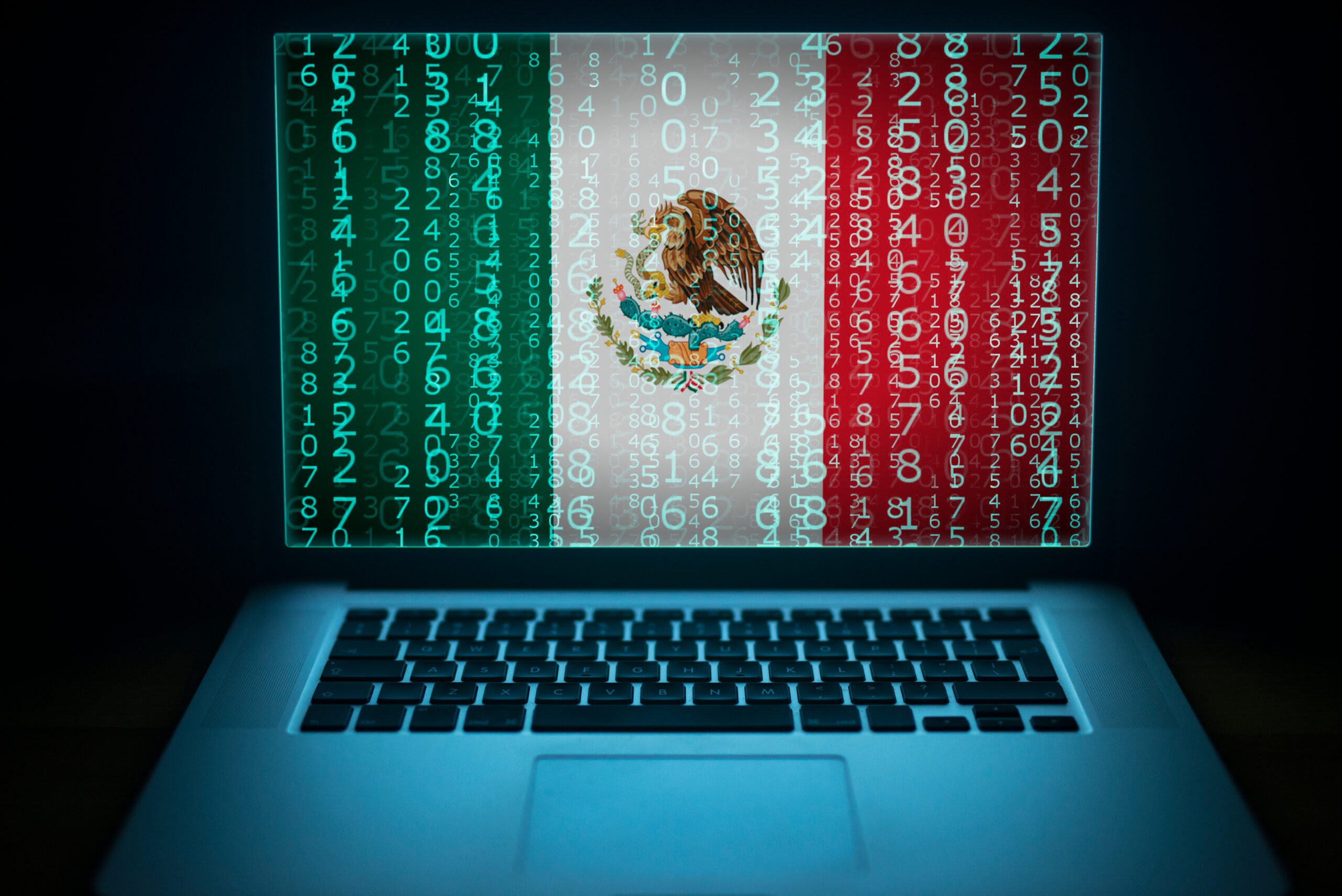
La ciberseguridad como saco de fuerza en el marco regulatorio de México
En México resurgió la discusión sobre la regulación de la ciberseguridad por la presentación de dos proyectos de ley: el Proyecto de Ley Federal de
¿Activismo judicial o salvaguardia democrática? Los nuevos límites de la propaganda electoral digital en Brasil
¿Activismo judicial o salvaguardia democrática? Los nuevos límites de la propaganda electoral digital en Brasil Contexto General El 1 de marzo de 2024, el Tribunal Superior Electoral de Brasil (en adelante TSE) publicó 12 resoluciones que regirán las elecciones de 2024 destinadas a elegir a los alcaldes y concejales de los 5.568 municipios del país para el período 2025-2028. Las resoluciones electorales brasileñas …

Speed, Scope, Scale. In Search of Solutions to the Challenging Legal Nature of the Internet
Call for Papers.
La violencia de género en la vida política de la mujer colombiana y sus desafíos para la libertad de expresión.
Este proyecto de ley llegó a la Corte Constitucional como parte de la revisión automática del control constitucional. Allí, el CELE intervino a través de un amicus curiae para que el alto tribunal pueda estudiar el proyecto, teniendo en cuenta los estándares internacionales como el test tripartito propuesto por la Corte Interamericana de Derechos Humanos (Corte IDH) relacionados a la legalidad, necesidad y …
¿Gobernar mediante el acoso?
El difícil equilibrio entre amenazas ilegales y un gobierno eficaz.
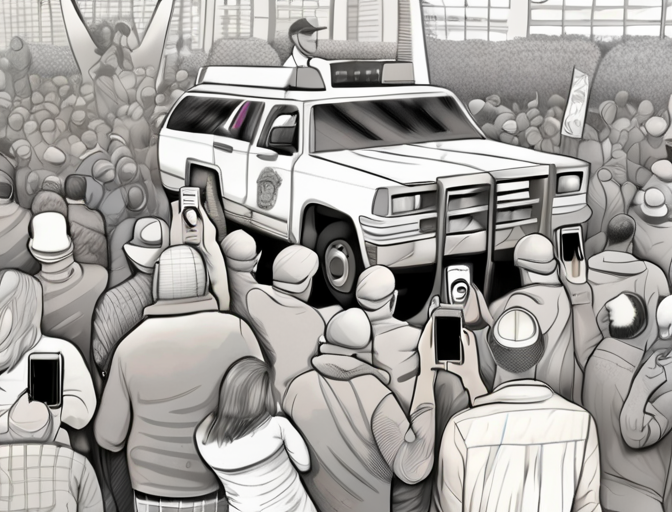
La Corte Constitucional de Colombia limitó el uso de inhibidores de internet durante protestas sociales
La Corte Constitucional de Colombia impone límites al uso de inhibidores de internet durante las protestas sociales En el mes de abril de 2021 se originó en Colombia una protesta social en contra de la reforma tributaria
OSINT y DDHH en América Latina
Nueva publicación del CELE: Inteligencia basada en fuentes abiertas OSINT y derechos humanos en Latinoamérica: un estudio comparativo en Argentina, Brasil, Colombia, México y Uruguay ¿Pueden los gobiernos “patrullar” int

Two problems for using Human Rights as Benchmarks in Human Rights Impact Assessments
In the last few years, CELE has been looking at how the ICT sector uses Human Rights Impact Assessments (HRIA) and other due diligence practices to assess their own conduct. Through a technical report we built a genealogy of the concept that clearly situated the impact assessments within the United Nations’ voluntary turn, at the beginning of the century, on the relationship between business and human rights. …

Seminario
Elecciones y desórdenes desinformativos.
Inteligencia basada en fuentes abiertas (OSINT) en Argentina: un diagnóstico sobre su utilización por parte del Estado
Durante los años 2022 y 2023, el CELE coordinó una investigación, llevada adelante por un consorcio de organizaciones latinoamericanas, acerca del uso de Inteligencia de Fuentes Abiertas (en adelante OSINT, por su acrónimo en inglés) por parte de los estados con fines de vigilancia en Argentina, Brasil, Colombia, México y Uruguay. Es posible entender a OSINT como la recopilación y el análisis de información recogida …
Un Protocolo peligroso y excluyente para los reporteros en el Perú
En los últimos años se ha producido un aumento significativo en el número de agresiones contra la prensa en el Perú.

Des-información en la democracia Brasileña
Des-información en la democracia Brasileña Un numeroso grupo de ciudadanos alteró el orden público, invadiendo el palacio Presidencial, el Congreso y la Corte Suprema en Brasil manifestando inconformismo con el resultado de las elecciones en las que se determinó un triunfo por parte de Luiz Inácio Lula da Silva, en representación de partidos asociados a la ideología de izquierda. Así mismo aseguraron, tajantemente, …
Internet y la protesta digital en manos de la Corte Constitucional de Colombia
**Internet y la protesta digital en manos de la Corte Constitucional de Colombia ** Las organizaciones El Veinte, Fundación Karisma, Fundación para la Libertad de Prensa y el Centro ISUR de la Universidad del Rosario presentaron una acción de tutela contra el Ministerio de Defensa Nacional, el Ejército Nacional, la Policía Nacional, el Ministerio de Tecnologías de la Información y Comunicaciones y la Agencia Nacional …
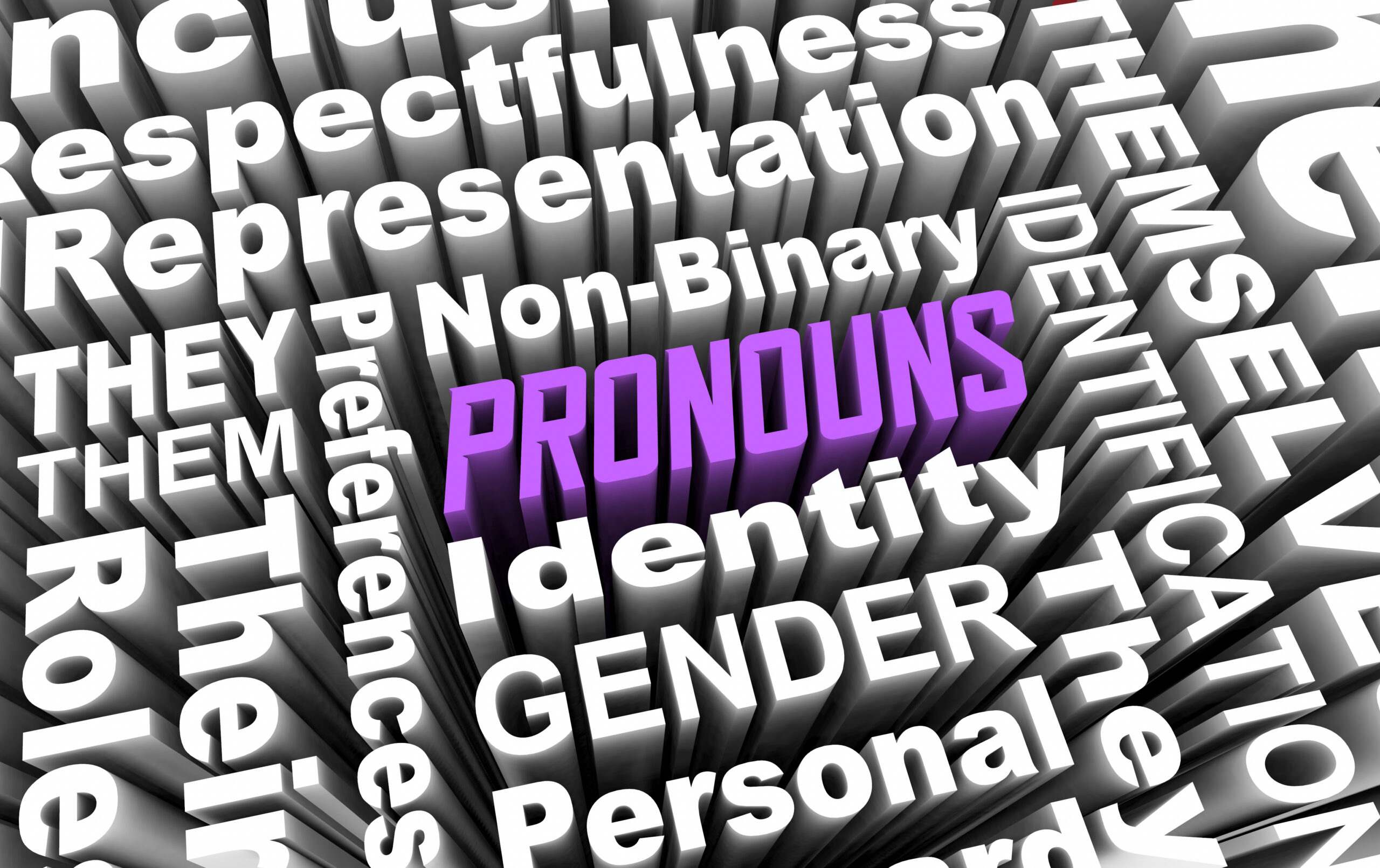
La batalla por la inclusión es más que lingüística
Como puede verse, estamos frente a una discusión que no es meramente lingüística, sino que es eminentemente política y legal. Estamos hablando de palabras o de letras que operan en una lengua establecida con el pretendido objetivo de brindar visibilidad, representatividad y evitar la discriminación y desigualdad. Quizá por razones no del todo disímiles es que Brigitte Vasallo advierte que para lograr estos cambios el …
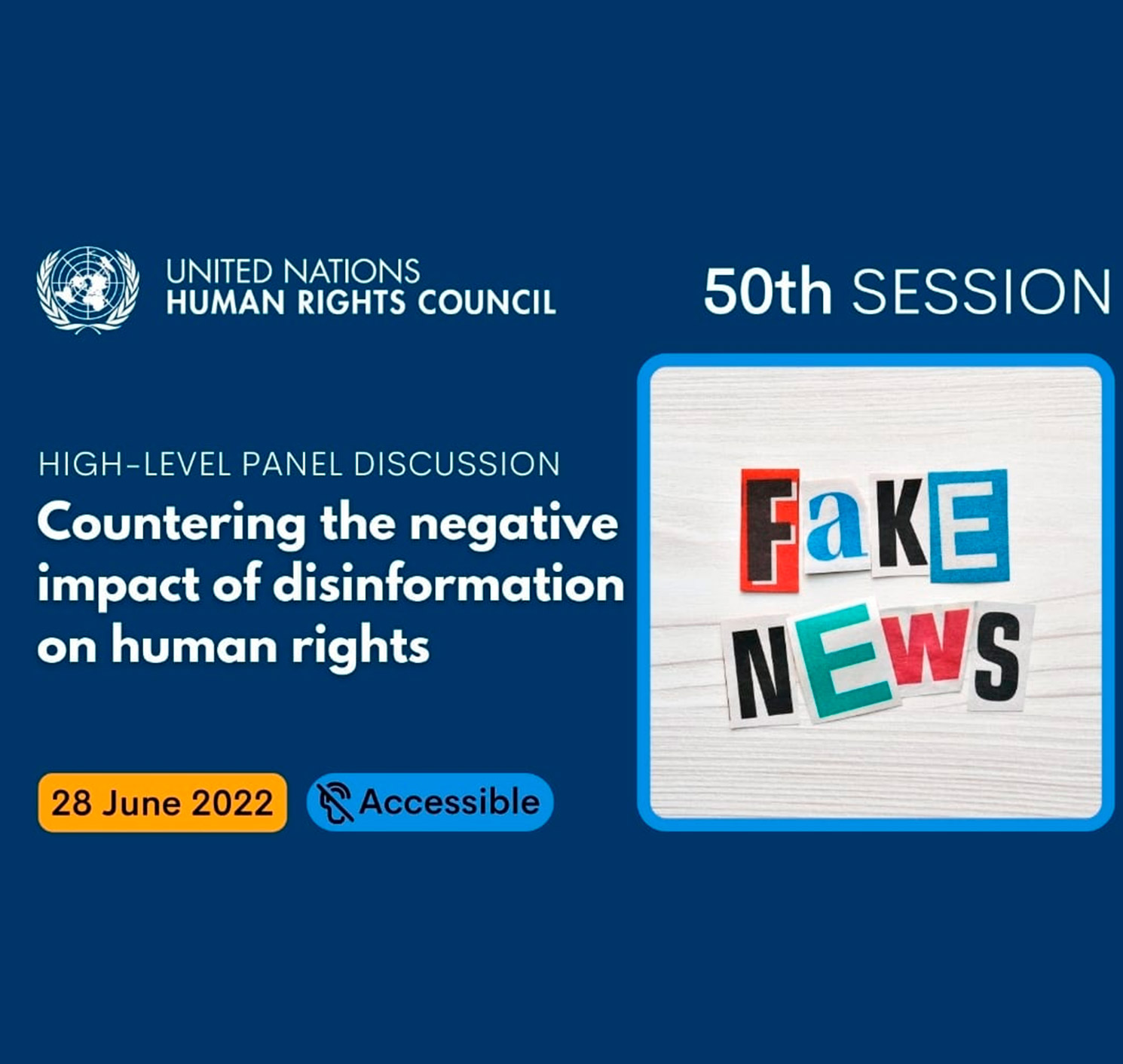
Panel de Alto Nivel del Consejo de Derechos Humanos de la ONU.
El panel estuvo constituido por la Relatora de Libertad de Opinión y Expresión de la ONU, Sra. Irene Khan, quien se refirió principalmente a las conclusiones de su informe de 2021; la Directora del CPSL (Content Policy and Society Lab) de Stanford y miembro del Oversight Board de Facebook, Julie Owono, quien habló de las medidas que las empresas deberían tomar frente a la desinformación y las decisiones del OB de …
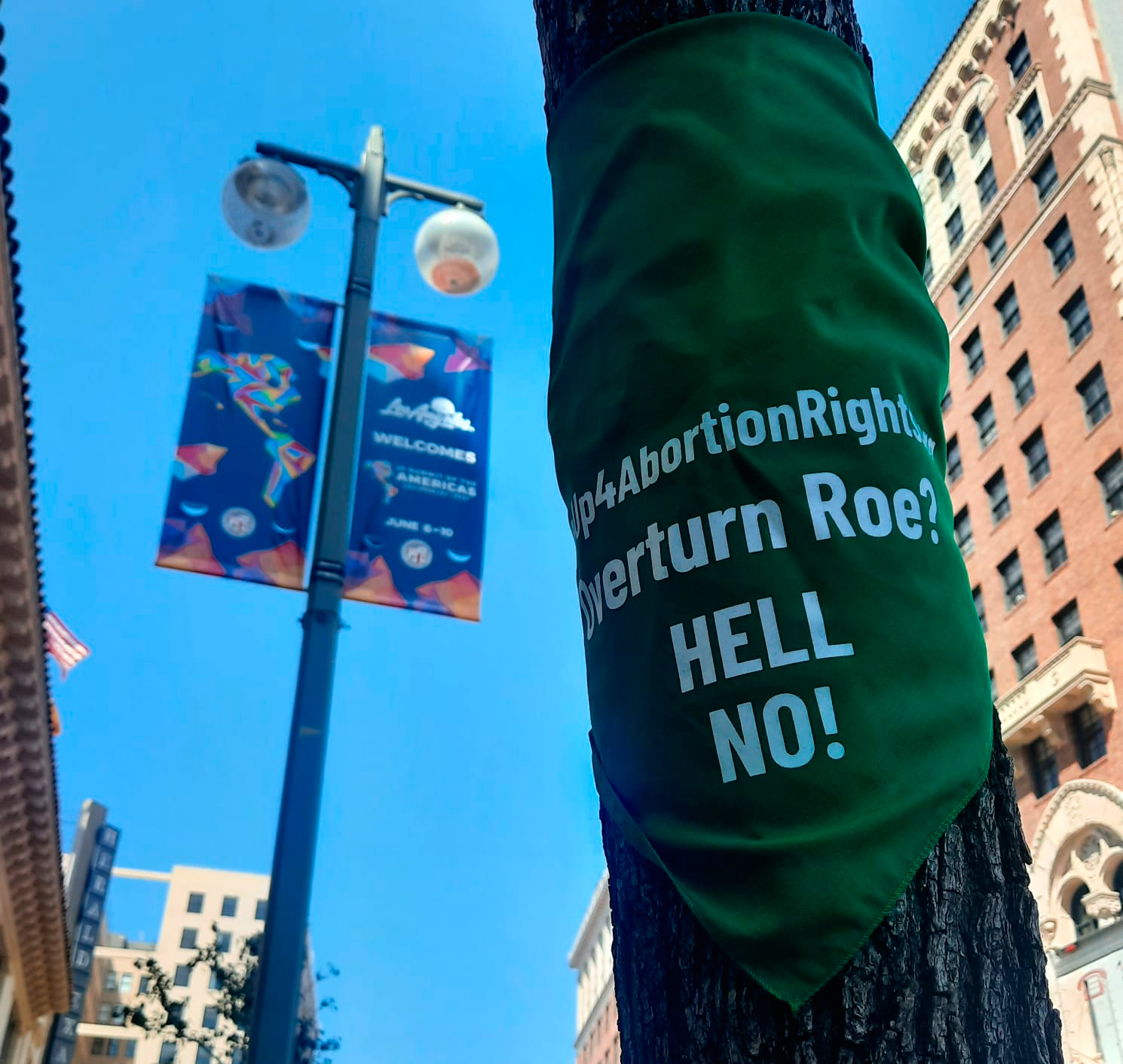
¿Qué cambios podemos esperar de las plataformas sin Roe v. Wade?
Vemos aquí cómo una decisión judicial, que reivindica iniciativas legislativas tendientes a criminalizar no solo el aborto sino cualquier medida que pueda entenderse como favorable al aborto, impactó en la información que circula en redes sociales en torno al tema. Con el objetivo de evitar responsabilidad civil e incluso penal por el contenido que permiten brindar en sus servicios, las empresas comenzaron a …
Criminalización de la protesta, el constante intento de meter la mugre abajo la alfombra
Si bien una buena parte de las innovaciones institucionales que se siguen de abandonar la concepción puramente electoral de la representación requerirían cambios institucionales a nivel constitucional y por lo tanto un alto nivel de consenso político y social (7), otro conjunto de innovaciones institucionales podrían ser compatibles con nuestro texto constitucional. En particular estoy pensando en espacios de …

Polítika vs. Prensa: Fotografía de una batalla
La fotografía se completa con los intereses y pugnas subyacentes. Así como en las guerras solo ganan los vendedores de armas, en la batalla entre política y prensa, solo triunfan los enemigos de la libertad de expresión.

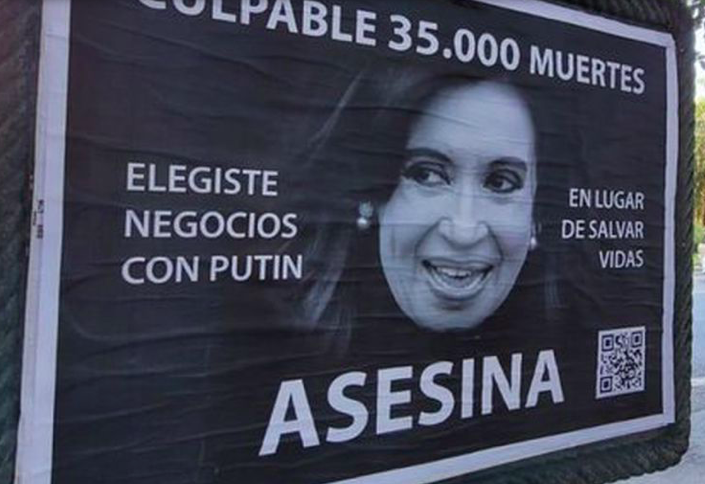
Affaire des affiches
Podríamos también preguntarnos: ¿Cuántos recursos han tenido que ser movilizados y serán utilizados en estas causas? ¿No es importante tener en cuenta que aquello que se denuncia en los panfletos es parte del debate público y, más aún, se refiere a una figura pública y a un tema que forma parte de la agenda pública? ¿Qué implica que la vicepresidenta haya sido aceptada como querellante en una causa en la que se …
De la tecnocracia a la plutocracia
Permítanme poner sólo un ejemplo. Recientemente, el periodista argentino Gustavo Noriega se preguntó si la última tendencia corporativa de Twitter de reaccionar contra la desinformación está a punto de terminar ahora que Elon manda. Es un pensamiento interesante que vale la pena explorar. Supuestamente, Twitter está luchando contra la desinformación climática porque no cree en ella y la considera dañina para el …

Deuda y fake news
En los siguientes párrafos voy a intentar reflexionar brevemente sobre la posibilidad de castigar las noticias falsas a partir de algunos eventos recientes.

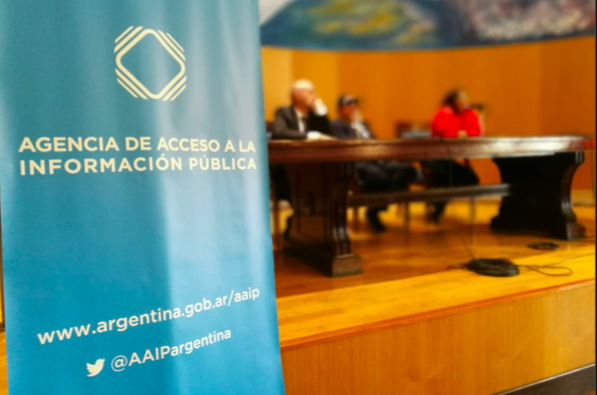
Nueva candidatura para la Dirección de la AAIP
La AAIP está sin Director desde enero de 2021, tras la renuncia del entonces Director Eduardo Bertoni. En marzo de ese año, Jefatura de Gabinete de Ministros postuló al abogado Gustavo Juan Fuertes para el cargo, pero terminó dando de baja su candidatura luego de que ésta fuera blanco de críticas e impugnaciones que, por unanimidad, coincidían en que el postulante no era idóneo para el cargo.
Sobre el secreto de las fuentes periodísticas
Hace algunas semanas que la justicia argentina pide al periodista Santiago O’Donnell la entrega de las cintas de grabación en las que registró conversaciones con Mariano Macri, hermano del ex presidente, que sirvieron de base para su libro Hermano. La decisión es del juzgado nacional en lo civil No. 6 y es contraria a numerosos precedentes judiciales de instancias más relevantes—-cámaras de apelaciones, …

Sobre las posibilidades de la censura privada
Dentro del equipo del CELE discutimos, la semana pasada, la cuestión de la censura privada—-es decir, los casos en los que personas u organizaciones son excluidas del debate público por decisión de empresas privadas que, alegando su propia libertad de expresión deciden expulsar de sus plataformas a personas con discursos indeseables, que violan sus términos y condiciones, etcétera (algunos le llaman deplatforming). …

Proyecto de ley contra el silencio, obstaculizado por congresistas colombianos
En Colombia se discute un proyecto de ley
¿A quienes necesita el debate público?
En ese ecosistema horizontal cada cual encontrará sus fuentes más confiables: podemos seguir en las redes sociales a todo tipo de personas, incluyendo—por ejemplo—a los principales asesores del presidente en los procesos de toma de decisiones sobre la pandemia, lo que ofreció algo de transparencia a un proceso por demás oscuro. Y seguramente sea deber de los ciudadanos de a pie revisar, periódicamente, esa confianza.

¿Restringir el debate para proteger la democracia?
En conclusión, el proyecto de ley que busca sancionar expresiones “negacionistas” tiene serios problemas en términos de libertad de expresión y por ello daña la calidad de nuestra esfera pública. Si nos interesa la democracia es porque nos permite discutir sobre las reglas que nos rigen como comunidad. Prohibir la discusión sobre esas reglas en nombre de la democracia simplemente no tendría sentido.

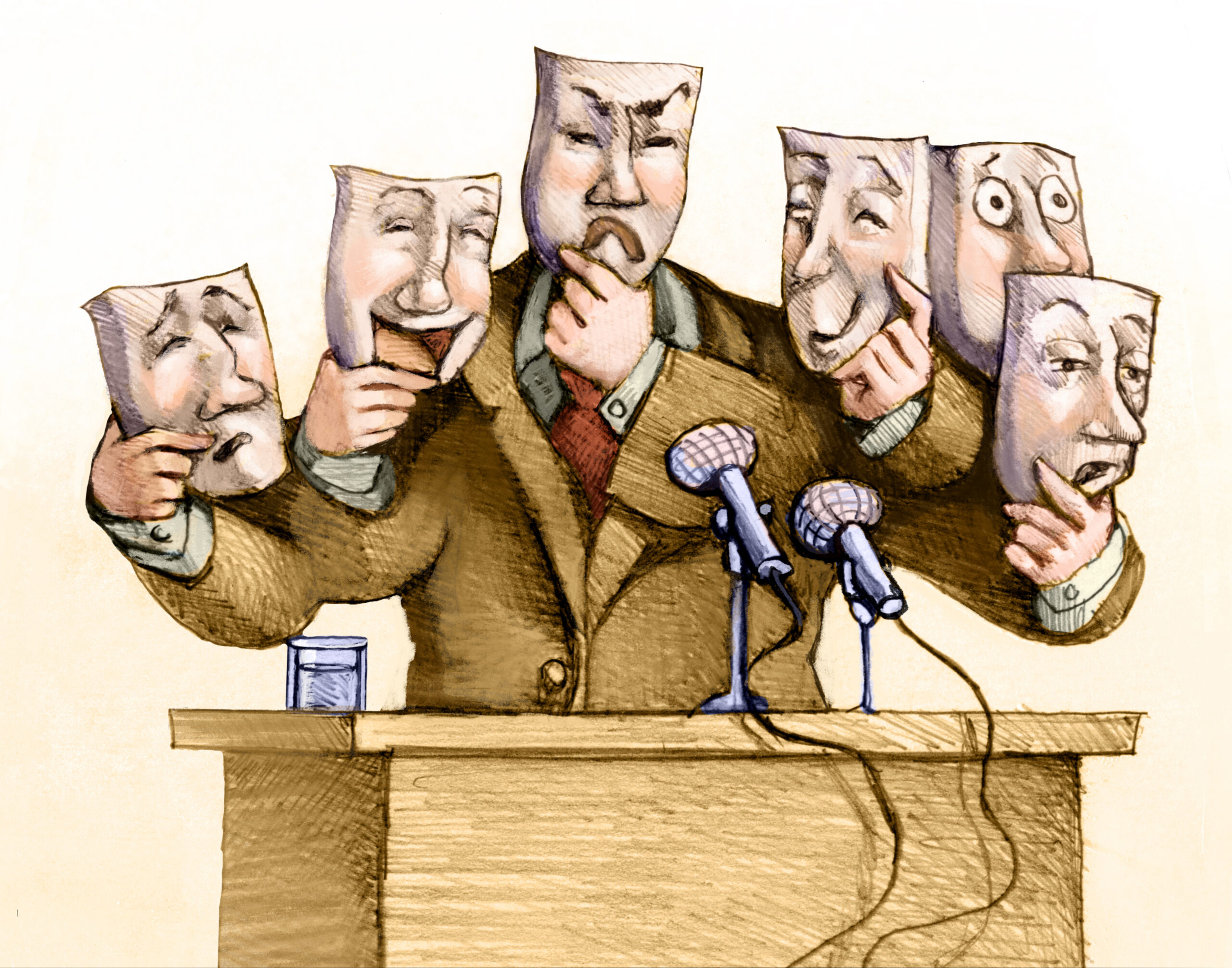
Los funcionarios públicos y la desinformación.
Los funcionarios públicos y la desinformación Esta semana presentamos un nuevo ensayo https://www.palermo.edu/Archivoscontent/2021/cele/papers/Desinformacion-y-funcionarios-publicos.pdf que desarrollamos con la Oficina R
Igualdad y libertad de expresión: Planteo de un problema
La libertad de expresión es un derecho fundacional de los sistemas constitucionales modernos. Ha sido identificada como la “piedra angular” del sistema democrático y como un derecho a priori, sin el cual la democracia no puede funcionar. Como casi todos los derechos, sin embargo, la libertad de expresión se ve fuertemente afectada por la desigualdad que caracteriza a la mayor parte de las sociedades occidentales, un …
The #WorldPressFreedomDay conference UNESCO
Are there other framework solutions that we need to focus more on? What are they? Note: here I am thinking of big ideas, not more practical steps. At the level of transparency for intermediaries as a general way forward.

On “Denialism” as a Criminal Offense
I understand that the bill has little chance of being approved, but it deserves some consideration for at least three reasons. First, because it introduces criminal law as a state tool in the process of constructing collective memory regarding the crimes of the last military dictatorship, and in that sense, it represents a significant shift from the strategies adopted thus far. Second, because in doing so, it raises …

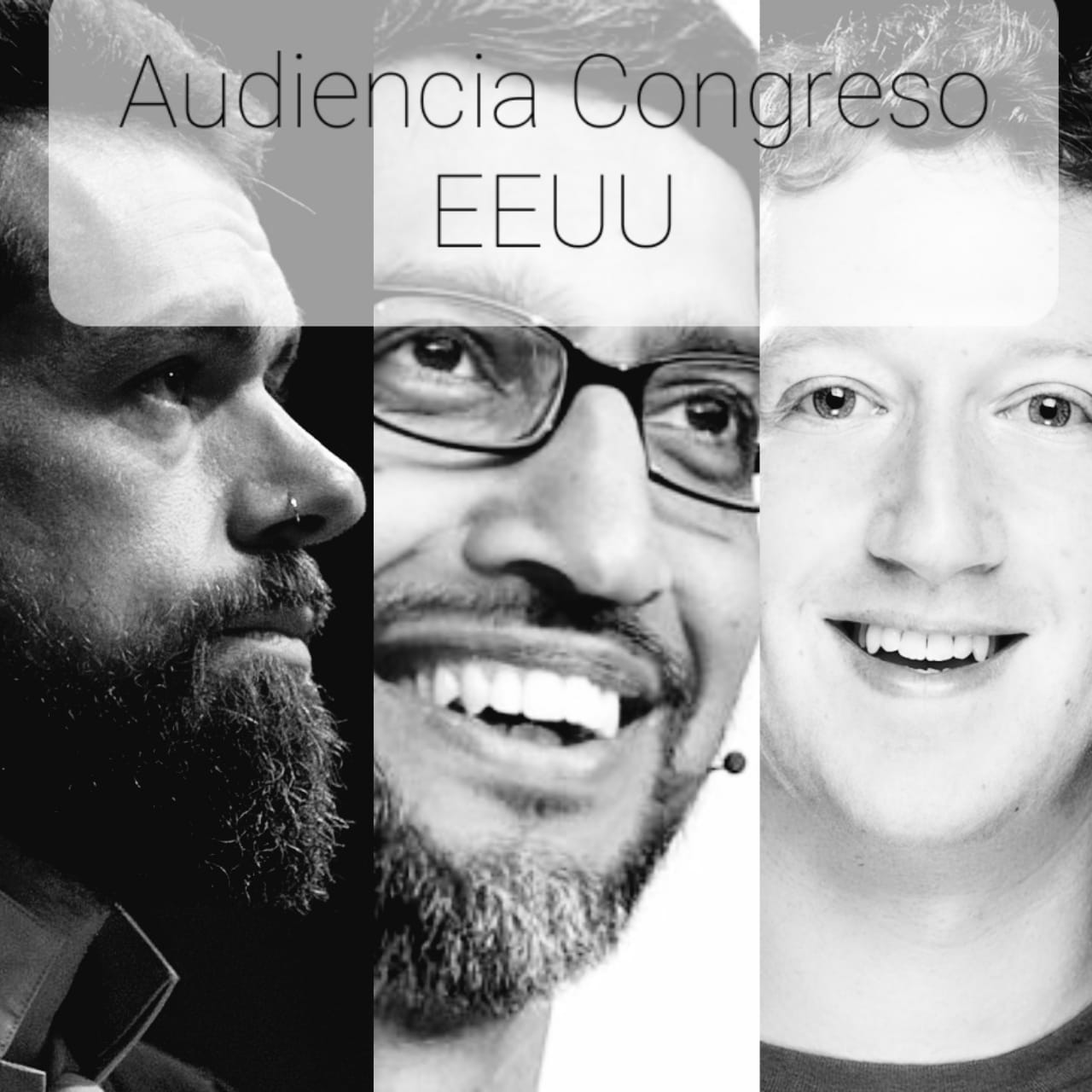
The Good, the Bad, and the Ugly of the Streaming Platforms' Hearing Before the U.S. Congress
To learn more about how social media platforms currently tackle misinformation, we recommend visiting letrachica.
Special Rapporteur on Freedom of Expression
At CELE, we welcome this first step the Commission is taking to address this issue, and we appreciate that it is doing so through a process of open, multisectoral dialogue. As this process begins, it is essential, on the one hand, to bring governments into this dialogue, given the growing legislative interest in the matter; to promote the participation of the entire region, including the U.S. government and civil …
The Legitimacy of the New Stewards of Public Debate.
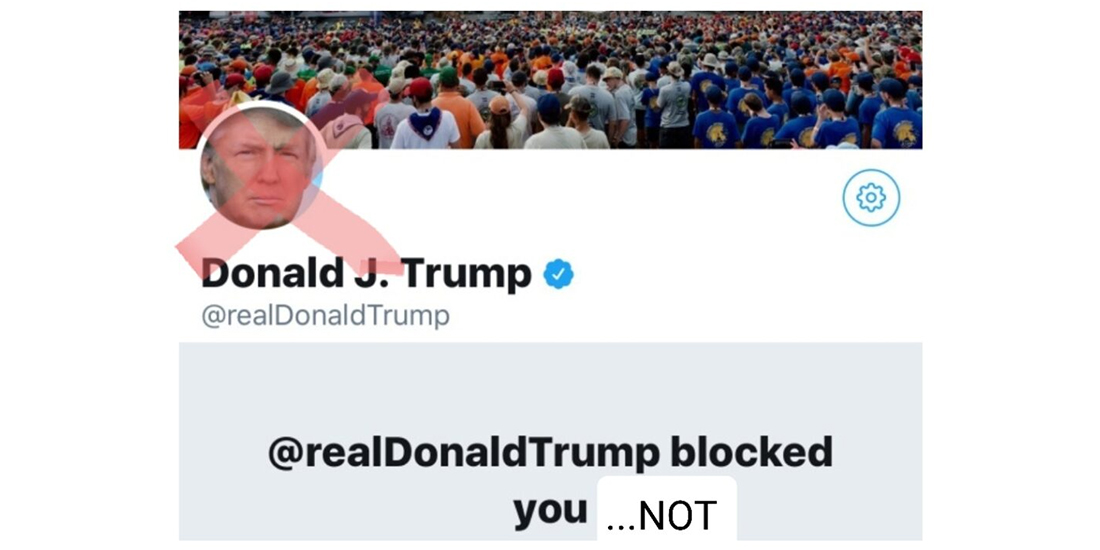
In January 2021, following the storming of the U.S. Capitol by far-right protesters and 10 days before the end of his presidency, Twitter indefinitely suspended the @realDonaldTrump account.
El ostracismo de Trump
La decisión de múltiples plataformas de excluir de sus servicios a Donald Trump importa un punto de inflexión en el presente de la democracia que aún no comprendemos cabalmente.
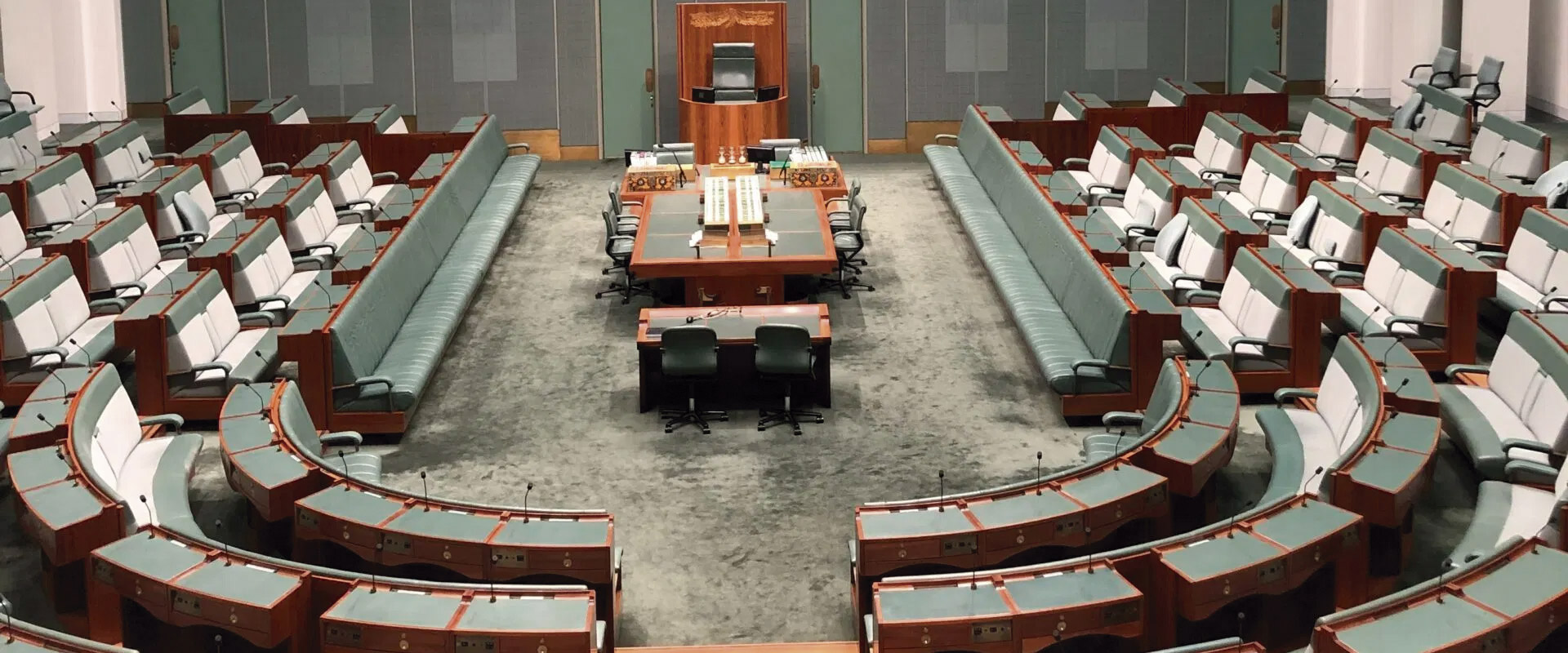
New parliamentary panel at #IGF2020.
Likewise, this lack of self-criticism seems to be replicated in the section on “Trust in Parliamentarians,” as it fails to highlight how the behavior of parliamentarians themselves and the lack of transparency in legislative mechanisms in various countries have affected citizens’ trust (or lack thereof) in them. Finally, while we commend the inclusion of the annual high-level segment, we believe it would be extremely …
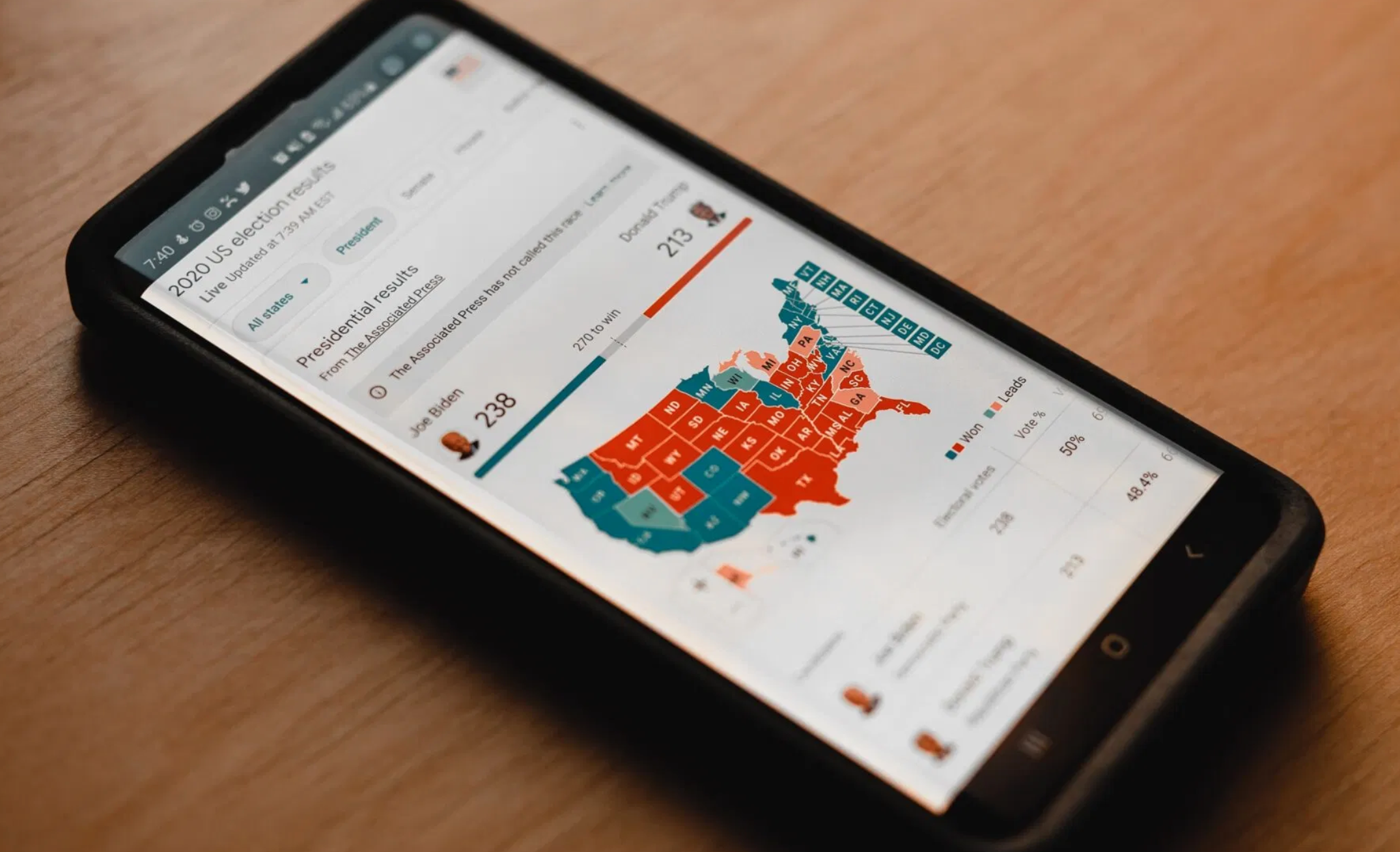
Social Media the Day After the U.S. Election
Here are some questions for us to ask ourselves the day after the U.S. elections end: Should fear be what guides the shifting of the red lines that protect political discourse, our right to be informed, and our right to know who wants to lead us during the elections? Or should the rules of the electoral process ensure that this happens by promoting more information, not less? How do we want social media to function …
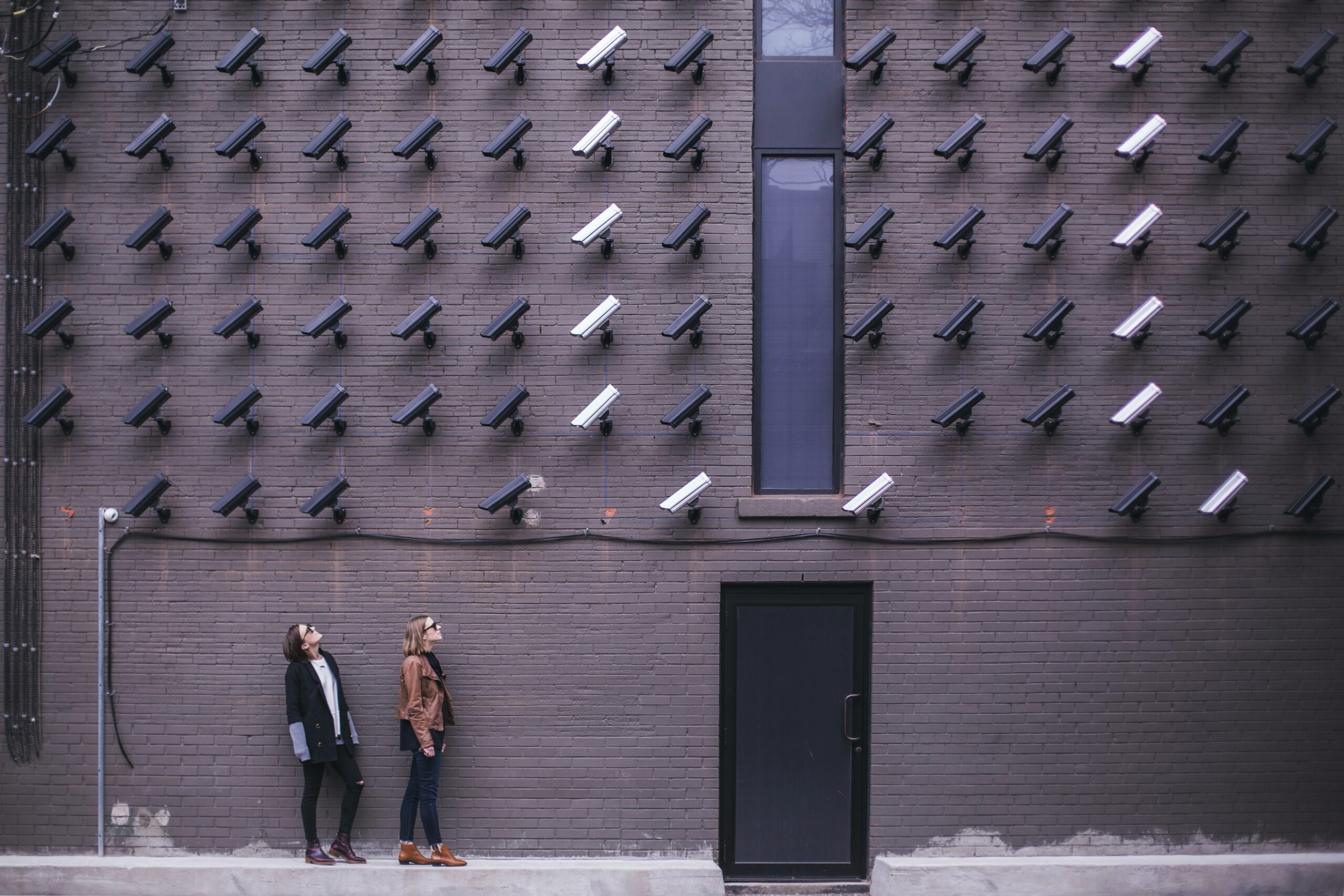
Cyberpatrolling or intelligence?
The Ministry’s responses leave serious questions unanswered. Among the points worth noting, it is alarming that prevention efforts are carried out “manually,” as indicated by the authorities at the meeting. What does this mean? How are these tasks carried out on a day-to-day basis? How can content be anonymized if monitoring is “manual”? The impact of social media surveillance on our fundamental rights takes on even …
Social Media in Latin America: Between a Rock and a Hard Place
Latin American users—particularly those involved in activism or social movements—find themselves caught between a rock and a hard place. In this context, it is more necessary than ever for civil society and activists in Latin America to speak out in global debates on content moderation practices and freedom of expression.
Applause, pot-banging protests, and message chains: the rights to assembly and association in Argentina during the pandemic
What do the 2015 protests organized by the feminist group Ni Una Menos have in common with the applause and pot-banging demonstrations during the pandemic? In both cases, the protests were organized through social media

Internet Governance and the Judiciary
Why is it so difficult for the judiciary to engage with these forums? If there is a desire on the part of governance bodies for the judiciary to participate, and on the part of judicial officials to gain a deeper understanding of internet-related issues, where are we falling short? What opportunities for debate and conversation are we missing out on? Perhaps this post can, at the very least, serve as an invitation to …

Guatemala: The Temptation to Use the State of Emergency to Silence Critics and Criminalize "Fake News"
If Guatemala were a country—like a few others in Latin America—that had an adequate social security and public health system, perhaps the facts themselves, as reported in the news, would not be so alarming. If there were a commitment to transparency, accountability, and proper data management during the pandemic, perhaps the government itself would not be causing so much confusion with the information it provides. …

CFK vs. GOOGLE: Theoretically interesting, but in reality mundane
Last week, I was involved in several discussions regarding the motion for early discovery filed by and granted to Cristina Fernández de Kirchner (CFK) against Google LLC. Perhaps the most interesting aspect of this exchange was
COVID-19: Data Protection and Internet Access During the Pandemic
Ecuador has yet to adopt measures to protect and regulate citizens' data, nor has it been able to ensure internet access for the entire population
Colombia - CNE: Another Approach to Regulating Election Campaigns on Social Media
The National Electoral Council (CNE) in Colombia launched an investigation into one of the candidates for mayor of Tarqui, Huila, in the October 2019 elections because he used his personal Facebook account in May 2

Workshop: "Toward Better Internet Regulation in Latin America - #CELE20"
We invite you to participate in the 8th edition of the CELE workshop, “Toward Better Internet Regulation in Latin America.” This year, more than ever, it is important to understand our digital rights and what is happening with
COVID-19 Survey: Data Collection Without Clear Objectives
“The art of asking a question should be of greater value than answering it.” Although Georg Cantor was referring to the mathematical sciences, this statement could also be applied to the world of surveys. The information that
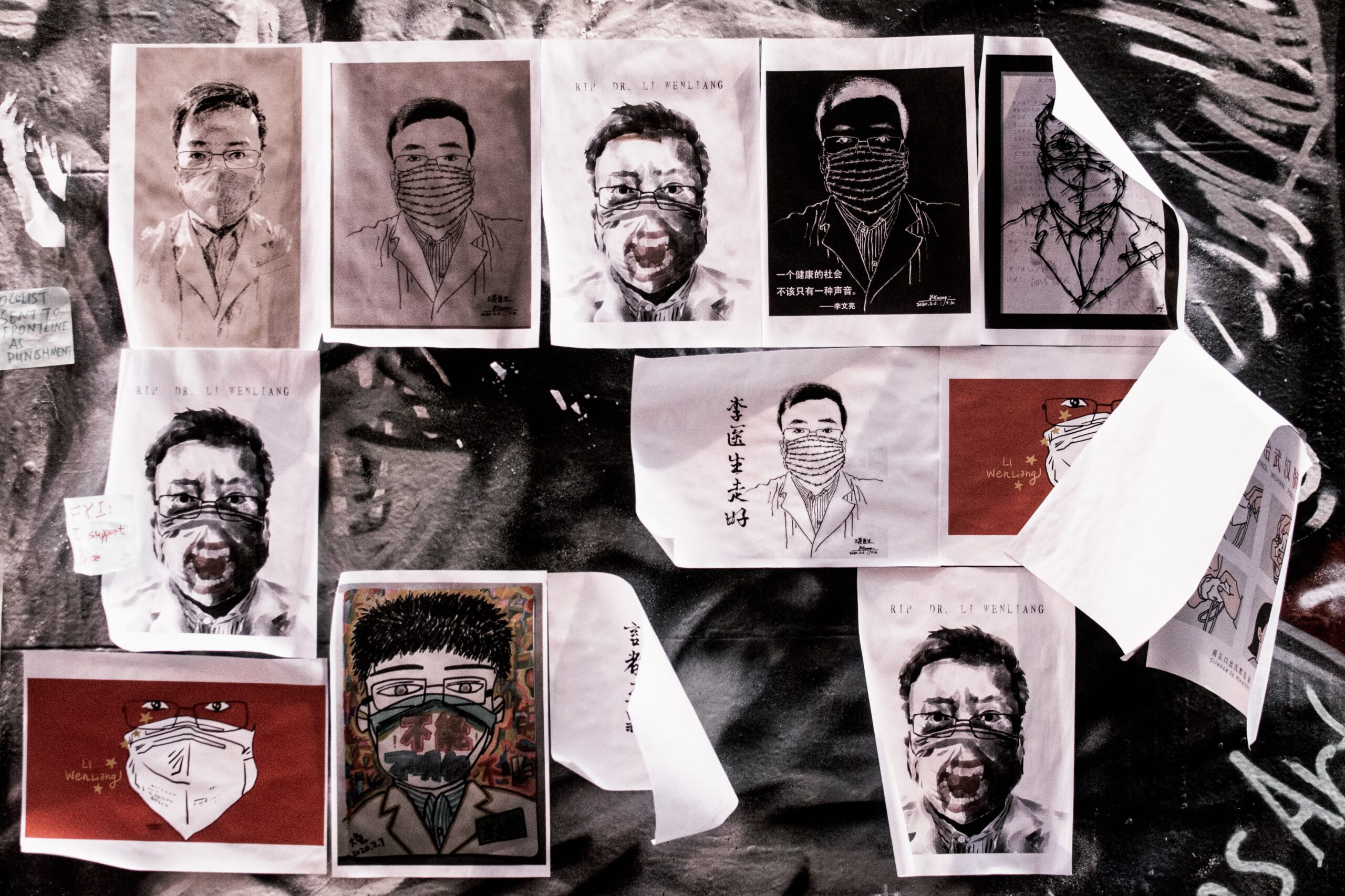
TikTok got serious! A new form of protest
Over the past few weeks, we have witnessed massive protests by the Black Lives Matter movement, which have led hundreds of thousands of people in the United States and around the world to demonstrate against racism

The Brazilian Congress's approach to disinformation and platform regulation puts freedom of expression at risk
The COVID-19 pandemic and the political crisis that followed in Brazil sparked legislative efforts to address issues related to disinformation and platform regulation.

Putting it in context: Zuckerberg’s publishing company, the Twitter-Trump conflict, and the responsibility of intermediaries in the face of long-standing social problems
On Thursday, June 18, the Clarín newspaper republished an editorial by Mark Zuckerberghttps://www.clarin.com/opinion/facebook-alentara-voto-participacion-diversidad-voces-elecciones-ee-uu-07zYD2-ubr.html, founder and CEO of F
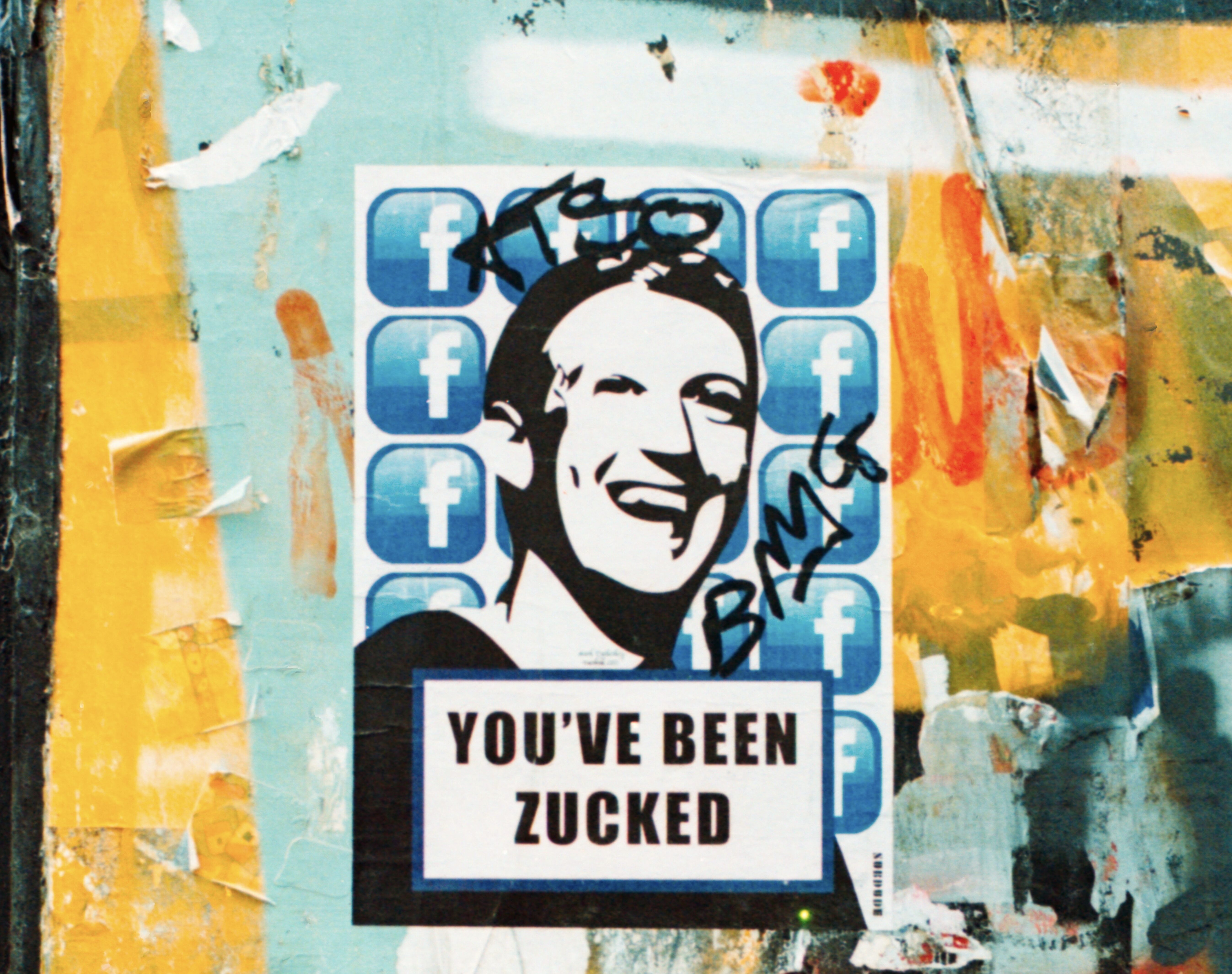
Facebook Under Scrutiny: Exceptions for Journalistic Interest and Political Speech
Given the importance of issues such as freedom of expression, surveillance and privacy, policing, and private and public censorship at this particularly critical moment both globally and locally, we are republishing an article that we believe is relevant, insightful, and timely.

The Pandemic and Combating Misinformation
COVID-19 also sparked a pandemic of misinformation on social media. Conspiracy theories, miracle cures, alternative or experimental treatments, and healing blessings are the order of the day. L

Freedom of Expression: Between Logic and Democracy
A simple logic problem for our students stuck at home in the midst of the pandemic: 1. The newspaper “Mentirulo” spreads “fake news” online. The platform verifies the information using fact-checking methods
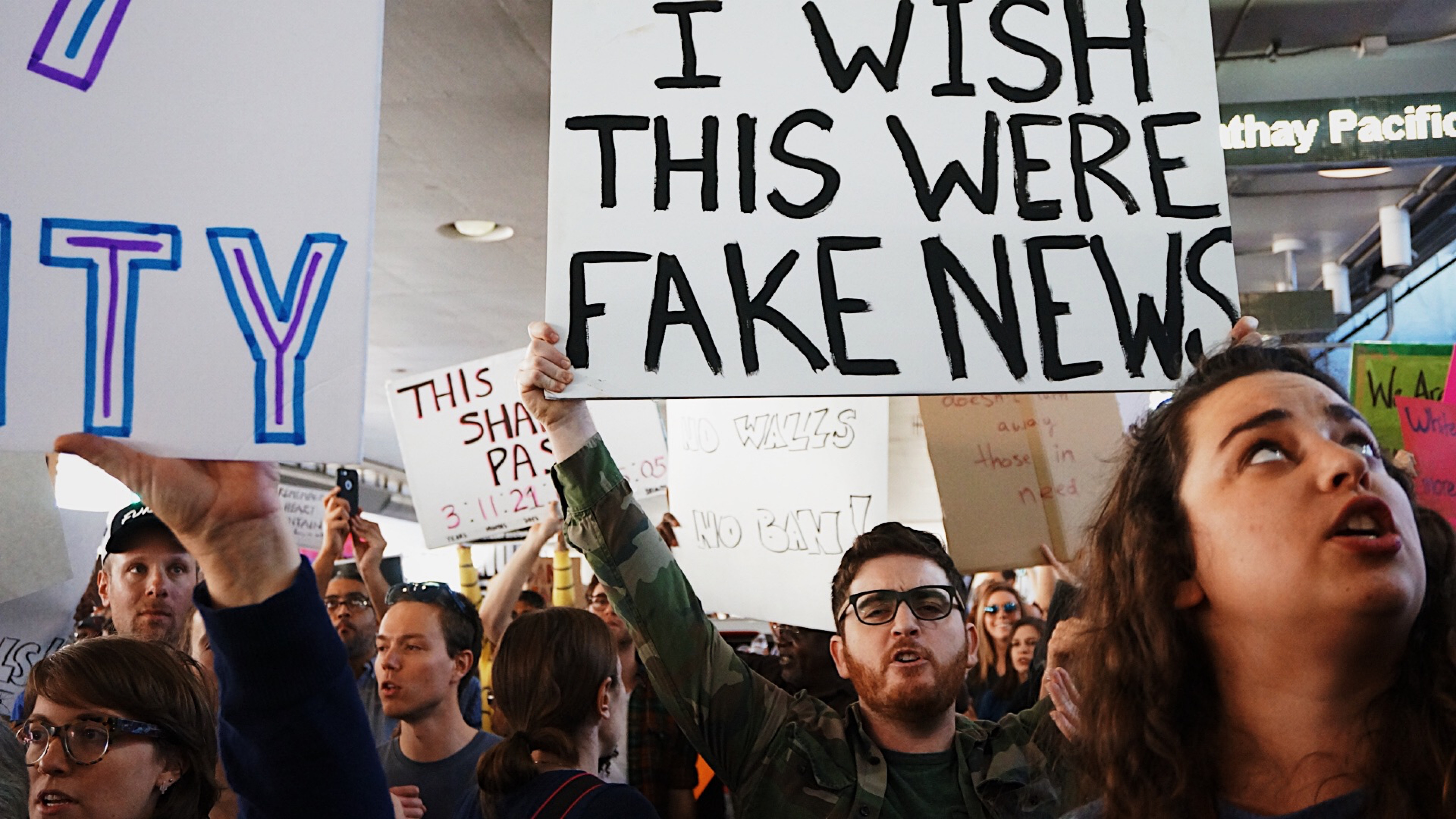
Coronavirus: Data Protection and Confidentiality in Ecuador
The global health emergency caused by the spread of the COVID-19 virus has led the governments of the hardest-hit countries to adopt measures to slow the virus's spread. Restrictions on movement, the closure of
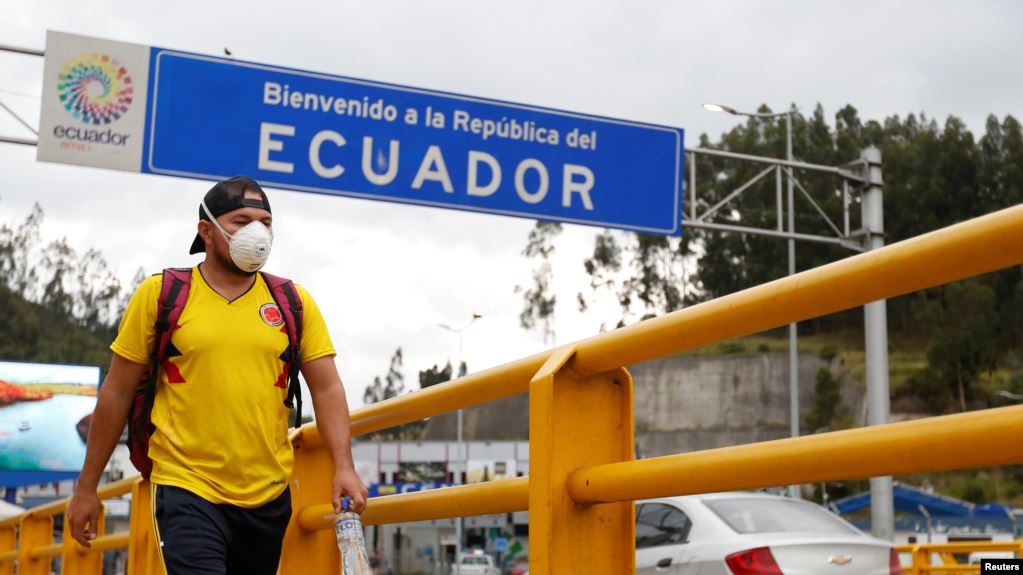
Landmark Ruling by Ecuador's Constitutional Court
During Rafael Correa’s administration, efforts to exert pressure on the media took various forms. Beyond the passage of the Communications Law—known as the “gag law”—and public ridicule

The “proper use” of social media?
In October of last year, a bill was introduced in the Colombian Congresshttps://observatoriolegislativocele.com/colombia-proyecto-de-ley-sobre-regulacion-del-buen-uso-y-funcionamiento-de-redes-sociales-y-sitio

Bienvenida al Blog del #ObservatorioCELE!
Queremos darles la bienvenida al Blog del Observatorio Legislativo del CELE! Esta nueva sección será un espacio para compartir novedades, curiosidades y análisis vinculados a los debates legislativos que están ocurriendo


Publications
What we can and cannot expect from the exercise of public functions by private platforms
CELE Research Paper No. 75Platforms have been increasingly assuming functions that do not differ much in nature from those performed by states: rule-making, adjudication, and enforcement authority over users' expressions and conduct. What began as voluntary self-regulation, enabled by legal architectures such as Section 230 of the Communications Decency Act and the EU's e-Commerce Directive, has evolved into a model of outsourced governance in which states mandate private, profit-seeking actors to perform quasi-public functions, stripped of …
Old Standards, New Challenges: Keys to Addressing Internet Disinformation in Inter-American Jurisprudence
CELE Research Paper No. 63SSRN ID: 5159253On May 3, 2020, as part of World Press Freedom Day and just a few months into an unprecedented health emergency, the UN Secretary-General stated that disinformation had become the “second pandemic.” More recently, a resolution of the United Nations Human Rights Council described disinformation as “a threat to democracy.” In the Inter-American sphere, the Inter-American Commission on Human Rights (hereinafter, IACHR) highlighted that the region is at a turning point, characterized in large part b
Best Practices to Guide Dialogue between the Judiciary and the Press. A Guide for Judges and Journalists
CELE Research Paper No. 29SSRN ID: 5138099In the relationship between the judiciary and the press there are a series of conventions and habits that have shaped a culture of legal and judicial information over the years. Often, this culture generates a series of tensions between both actors, which also affects public opinion. In this framework, the Center for Studies on Freedom of Expression and Access to Information (CELE) with the support of UNESCO present a Guide of Recommendations aimed at contributing to the construction of a bond o
Alternative Solutions to Disinformation: Addressing Sources Instead of Distribution
CELE Research Paper No. 62SSRN ID: 5158743In the increasingly concentrated online public sphere, the easiest and fastest way to tackle content perceived as dangerous, such as disinformation, is to control its dissemination. In recent years, internet companies have increasingly removed or blocked content—including that of heads of state—labeled expressions, banned the sale of certain goods, demonetized or prohibited content that questions official sources of information, and implemented verification mechanisms, warnings, and contextualiz
This research will define OSINT as the collection and analysis of open-source data—whether personal or not—for a specific purpose. That purpose may or may not be for-profit; related to surveillance, scientific or academic research; or purely personal. This paper aims to serve as an initial diagnosis to provide conceptual clarity to the definition of OSINT by analyzing potential violations of fundamental rights, especially those that affect the right to privacy. It will also include international
Open Source Intelligence (OSINT) and Human Rights in Latin America: A comparative Report on Argentina, Brazil, Colombia, Mexico, and Uruguay
CELE Research Paper No. 57bSSRN ID: 5157855The use of OSINT by the state for surveillance purposes presents specific challenges regarding human rights. These tools can lead to violations of fundamental rights and are often employed outside the boundaries of legality. As this study will show, their use is generally unregulated, and where regulations do exist, they are inadequate. Under broad and vague definitions, intelligence and security authorities monitor open sources of information on the internet, such as social networks, blogs, mag
Open Source Intelligence (OSINT) in Argentina: A Diagnosis of its Use by the State
CELE Research Paper No. 57aSSRN ID: 5157843The current global landscape shows a growing trend in the development, acquisition, and use of mass surveillance technologies by states. The regional context is no different. This trend intensified with the increased use of such technologies following the onset of the COVID-19 pandemic. Moreover, states are often reluctant to provide information about their use of surveillance technologies. Cases of illegal state espionage have multiplied across the region, typically targeting political dissiden
Disinformation in Democracy or the Democracy of Disinformation?
CELE Research Paper No. 50SSRN ID: 5154679Disinformation on the Internet has been the object of concern and action by multiple actors. While at first the measures were more targeted to train and cooperate in detecting false news, there are currently more and more measures whose implementation involves censorship, blocks, controls, and persecution. This article critically analyzes some of the measures adopted by the state, Internet companies, and the media in recent years and raises some unanswered questions in the search for answers.
The New Normal? Disinformation and Content Control on Social Media during COVID-19
CELE Research Paper No. 48SSRN ID: 5154565This document addresses the measures that Facebook, Twitter, and YouTube implemented to address problematic content related to COVID-19 on their platforms. Known mainly as community guidelines, these rules are the basis for the moderation actions carried out by these services on user content. The main purpose of this paper is to understand the impact that COVID-19 had on community guidelines.
Analysis of the Debate Process on Legal Initiatives for Personal Data Protection and their Conflicts with the Right to Freedom of Expression: The Cases of Argentina and Ecuador
CELE Research Paper No. 47SSRN ID: 5154545Over the past decades, several Latin American countries have debated legislative proposals aimed at regulating the protection of personal data and privacy, driven by the growing developments in information and communication technologies. These advances have revealed that existing legislation is insufficient to safeguard individuals from potential threats to these rights in a digital environment, leading to the proposal of specific legislative reforms. However, while the primary objective of thes
Fake News on the Internet: Actions and Reactions of Three Plataforms
CELE Research Paper No. 46SSRN ID: 5154525In the past four years, online misinformation has become a seemingly novel threat to Western democracies. This threat surfaces in a time of anxiety about the future: democratic systems appear to be going through a crisis as a result of the consolidation of political options that, even if they do not openly reject democratic procedures and formalities, erode them from the inside. It is in this context that the phenomenon of disinformation must be addressed. In general, anxiety about democracy pro
Disinformation in Democracy or Democracy of Disinformation?
CELE Research Paper No. 44SSRN ID: 5152211Disinformation on the Internet has been the subject of concern and action by multiple actors. While at first the measures were more geared towards training and collaborating in the detection of fake news, more and more measures are being implemented that involve censorship, blockages, controls and persecution. This article critically analyses some of the measures adopted by the State, Internet companies and the media in recent years and raises some pending questions in the search for solutions.
Secrets and Lies: WhatsApp and Social Media in Brazil's 2018 Presidential Election
CELE Research Paper No. 36SSRN ID: 5152001The 2018 Brazilian presidential elections marked a turning point in the role of digital platforms in political campaigns, with WhatsApp emerging as a central tool for information dissemination, mobilization, and disinformation. This study examines the use of WhatsApp as a mechanism for political communication, focusing on the viralization of false news and its impact on the electoral process. The research contextualizes the political landscape in Brazil leading up to the elections, analyzing the
WhatsApp, Mobile Politics and Disinformation: How did Fake News Go Viral in the Brazilian Elections?
CELE Research Paper No. 35SSRN ID: 5146457This paper examines the role of WhatsApp as a vehicle for the dissemination of disinformation during the 2018 Brazilian presidential elections. Given WhatsApp’’s widespread adoption in Brazil—where over 120 million users rely on the platform—its use as a political mobilization tool has intensified. The study analyzes how the platform’’s encrypted, private network structure facilitated the large-scale spread of false information, contributing to the polarization of public opinion and …
The Implementation of "Digital Oblivion": Forgetting the Details
CELE Research Paper No. 33SSRN ID: 5146420Technological advancement and the expansion of the Internet have transformed the way information is stored, shared and accessed. However, this permanent access poses significant challenges in terms of privacy, reputation and freedom of expression. The “right to be forgotten” emerges as a tool to address these issues, especially when the published information negatively affects a person’s life, even if it is no longer relevant today. The concept of “digital oblivion” gained notoriety with the rul
Content Moderation and Private Censorship: Standards Drawn from the Jurisprudence of the Inter-American Human Rights System
CELE Research Paper No. 32SSRN ID: 5146372This submission seeks to bring some of the standards that could be drawn from the Inter-American Human Rights System to the questions posed by the Rapporteur in his call for submissions on Private content regulation in the digital age. In the words of the Rapporteur, “Private companies facilitate an unprecedented global sharing of information and ideas. Social and search platforms in particular have become primary sources of news and information (and disinformation) for hundreds of millions of people. With that …
Fake News on the Internet: The Strategy to Combat Misinformation
CELE Research Paper No. 30SSRN ID: 5138107The article explains the measures that Facebook and Google have announced to combat misinformation and includes a brief reference to YouTube and Twitter. Likewise, the paper attempts to determine what the geographical coverage of these measures will be. Subsequently, as a conclusion, it exposes what the problems behind the proposed solutions may be in four points: i) scale and time, ii) impact, iii) the role of civil society and iv) transparency.
Collaboration in ‘Cuadernillos de Temas Emergentes’ of the National Institute of Human Rights of Chile
CELE Research Paper No. 18SSRN ID: 5138054Here, we present the work carried out by the Internet Freedom of Expression Initiative (iLEI), CELE’s special programme that aims to provide advice and technical support to Internet policy makers and advocates. Net neutrality, privacy, copyright, intermediary liability, and their relationship to fundamental rights are some of the topics that appear in this compilation. All of these are issues that have appeared in the regulations and legislative proposals that have started to be drafted in Lati
Right to be Forgotten: Between Data Protection, Memory, and Personal Life in the Digital Age
CELE Research Paper No. 12SSRN ID: 5125891CELE Research Paper No. 12
Access to Information and Personal Data: An Old Tension, New Challenges
CELE Research Paper No. 11SSRN ID: 5125874Access to public information and the protection of personal data are two fundamental rights whose harmonization presents significant challenges in Latin America. This document, the result of the project Access to Information and Personal Data: An Old Tension, New Challenges, analyzes the relationship between these concepts and proposes principles for their reconciliation. Through a comparative study of Argentina, Chile, Uruguay, Mexico, and Peru, it examines regulatory and institutional tensions, implementation …
Surveillance on the Web: What Does It Mean to Monitor and Detect Content Online?
CELE Research Paper No. 7SSRN ID: 5125780CELE Research Paper No. 7
Institutional Design and Effectiveness of Agencies Responsible for Protecting Journalists and Investigating Crimes Against the Press: Mexico, Colombia, and Guatemala
CELE Research Paper No. 5SSRN ID: 5125745CELE Research Paper No. 5
Institutional Design and Effectiveness of the Agencies Responsible for Protecting Journalists and Investigating Crimes Against the Press: Mexico, Colombia and Guatemala
CELE Research Paper No. 5SSRN ID: 5124165CELE Research Paper No. 5