
Latin America

Featured
Audiencia CIDH sobre libertad de expresión en la Argentina
Diferentes organizaciones de la sociedad civil, representantes sindicales y delegados del Estado argentino participaron el pasado 19 de noviembre en la audiencia sobre la situación de la libertad de expresión en la Argentina.

Latest news and analysis
Audiencia CIDH sobre libertad de expresión en la Argentina
Diferentes organizaciones de la sociedad civil, representantes sindicales y delegados del Estado argentino participaron el pasado 19 de noviembre en la audiencia sobre la situación de la libertad de expresión en la Argentina.
Legislators of the Truth
“Sister, I do believe you” is a slogan of the feminist movement that gained popularity in Spain in response to the “La Manada” case.

¿Quiénes defienden la libertad de expresión en América Latina?
Nuevos datos para una vieja discusión en América Latina.

Vanina Biasi: ¿Discurso de odio o crítica política?
Sobre el uso de acusaciones de "discurso de odio" como modo de censura

Violencia de género digital y libertad de expresión
Históricamente, la violencia de género reduce la participación de mujeres en el espacio público.
El acceso a datos para investigadores
Los desafíos de la sociedad civil frente a las plataformas digitales. Una conversación con Carlos Cortés y Laura Palacio.

La suspensión de X en Brasil
Entre la soberanía y la censura

OSINT e inteligencia artificial: una mirada regional sobre una combinación explosiva
OSINT e inteligencia artificial: una mirada regional sobre una combinación explosiva El viernes 26 de julio de 2024, mediante Resolución 710/2024https://www.boletinoficial.gob.ar/detalleAviso/primera/311381/20240729, el
Ciberpatrullaje en Argentina: Análisis de una Resolución problemática - Por Lucía Camacho G.
Ciberpatrullaje en Argentina: Análisis de una Resolución problemática.

Algunas notas sobre Net Mundial+10, diez años después
El evento de NetMundial+10 terminó en un documento de declaración que ratifica gran parte de los principios anunciados hace diez años en la primera edición del evento.

La ciberseguridad como saco de fuerza en el marco regulatorio de México
En México resurgió la discusión sobre la regulación de la ciberseguridad por la presentación de dos proyectos de ley: el Proyecto de Ley Federal de

¿Activismo judicial o salvaguardia democrática? Los nuevos límites de la propaganda electoral digital en Brasil
¿Activismo judicial o salvaguardia democrática? Los nuevos límites de la propaganda electoral digital en Brasil Contexto General El 1 de marzo de 2024, el Tribunal Superior Electoral de Brasil (en adelante TSE) publicó 12 resoluciones que regirán las elecciones de 2024 destinadas a elegir a los alcaldes y concejales de los 5.568 municipios del país para el período 2025-2028. Las resoluciones electorales brasileñas …

La violencia de género en la vida política de la mujer colombiana y sus desafíos para la libertad de expresión.
Este proyecto de ley llegó a la Corte Constitucional como parte de la revisión automática del control constitucional. Allí, el CELE intervino a través de un amicus curiae para que el alto tribunal pueda estudiar el proyecto, teniendo en cuenta los estándares internacionales como el test tripartito propuesto por la Corte Interamericana de Derechos Humanos (Corte IDH) relacionados a la legalidad, necesidad y …

¿Cómo se está pensando la regulación de la inteligencia artificial en Colombia?
Hasta la fecha, en Colombia se han presentado siete proyectos de ley que pretender regular de forma integral el desarrollo y aplicación de inteligencia artificial (IA). Las propuestas van desde la promoción de la transparencia hasta la prevención de riesgos. No obstante, dejan tantas preocupaciones que sugieren que su redacción ha sido apresurada. Este artículo presenta brevemente los proyectos, sus principales …

La Corte Constitucional de Colombia limitó el uso de inhibidores de internet durante protestas sociales
La Corte Constitucional de Colombia impone límites al uso de inhibidores de internet durante las protestas sociales En el mes de abril de 2021 se originó en Colombia una protesta social en contra de la reforma tributaria

OSINT y DDHH en América Latina
Nueva publicación del CELE: Inteligencia basada en fuentes abiertas OSINT y derechos humanos en Latinoamérica: un estudio comparativo en Argentina, Brasil, Colombia, México y Uruguay ¿Pueden los gobiernos “patrullar” int

Seminario
Elecciones y desórdenes desinformativos.
El liderazgo ¿estéril? de Brasil
Una de las principales preocupaciones del CELE es seguir de cerca los procesos regulatorios que afectan a Internet, bajo la premisa de que éstos determinan lo que Internet es para nosotro
El CELE celebró la edición 2023 de su taller en Buenos Aires
Los días 26 y 27 de julio se realizó en Buenos Aires la edición número 11 del taller “Por una mejor regulación de Internet en América Latina”, organizado por el CELE.
Inteligencia basada en fuentes abiertas (OSINT) en Argentina: un diagnóstico sobre su utilización por parte del Estado
Durante los años 2022 y 2023, el CELE coordinó una investigación, llevada adelante por un consorcio de organizaciones latinoamericanas, acerca del uso de Inteligencia de Fuentes Abiertas (en adelante OSINT, por su acrónimo en inglés) por parte de los estados con fines de vigilancia en Argentina, Brasil, Colombia, México y Uruguay. Es posible entender a OSINT como la recopilación y el análisis de información recogida …

Violencia de género digital en Colombia
Un proyecto que preocupa y una sentencia que marca el camino.
Regulación de plataformas en Brasil
Necesidad, peligros y contradicciones.
Un Protocolo peligroso y excluyente para los reporteros en el Perú
En los últimos años se ha producido un aumento significativo en el número de agresiones contra la prensa en el Perú.

Des-información en la democracia Brasileña
Des-información en la democracia Brasileña Un numeroso grupo de ciudadanos alteró el orden público, invadiendo el palacio Presidencial, el Congreso y la Corte Suprema en Brasil manifestando inconformismo con el resultado de las elecciones en las que se determinó un triunfo por parte de Luiz Inácio Lula da Silva, en representación de partidos asociados a la ideología de izquierda. Así mismo aseguraron, tajantemente, …

Internet y la protesta digital en manos de la Corte Constitucional de Colombia
**Internet y la protesta digital en manos de la Corte Constitucional de Colombia ** Las organizaciones El Veinte, Fundación Karisma, Fundación para la Libertad de Prensa y el Centro ISUR de la Universidad del Rosario presentaron una acción de tutela contra el Ministerio de Defensa Nacional, el Ejército Nacional, la Policía Nacional, el Ministerio de Tecnologías de la Información y Comunicaciones y la Agencia Nacional …
Un debate amplísimo para cuidar el consenso democrático
El estreno hace algunas semanas de Argentina 1985 marcó la vuelta al centro de la escena de los crímenes de la última dictadura.

10º aniversario del Taller CELE en Buenos Aires
La semana pasada se realizó en la ciudad de Buenos Aires la 10ma edición del taller “Por una mejor regulación de internet en América Latina”, organizado por el CELE. Tuvimos el honor de recibir a casi 40 representantes de organizaciones que estudian, trabajan y promueven la defensa de derechos humanos en el ámbito digital en nuestra región. A lo largo de estos últimos 10 años han participado más de 300 representantes …
El camino de las normas de derecho a la comunicación y derechos digitales en la propuesta de Nueva Constitución de Chile
Las expectativas en todos los temas eran muchas. Se trata de una nueva constitución que no solo busca terminar con la Constitución heredada de la Dictadura de Pinochet, sino que busca dar solución o abarcar una serie de demandas sociales básicas, que ponen en evidencia situaciones de desigualdad e inequidad acumuladas por décadas, pero también relevar aspectos clave como la participación y reconocimiento sobre …

Crímenes de odio y discurso de odio: una breve perspectiva comparada
Desde el CELE consideramos que acercar a los debates que tienen lugar en la región iniciativas legislativas de otras regiones puede enriquecer el debate público y colaborar con las distintas partes interesadas para identificar mejores prácticas en la materia (periodistas, sociedad civil, instituciones gubernamentales y académicas dedicados a la defensa y a la promoción de estos derechos, especialmente en América …

Penar la intolerancia 'male sal' Criticas a la convención Interamericana contra toda forma de Discriminación e intolerancia.
En el CELE decidimos mirar la Convención más de cerca y lo que encontramos nos preocupó. Si bien los fines que persigue la Convención son indiscutiblemente loables, los términos en los que están definidos los alcances de las obligaciones que impone al estado son preocupantes desde la libertad de expresión. Es por ello que decidimos escribir un artículo que salió publicado en el último volúmen de la Revista Argentina …
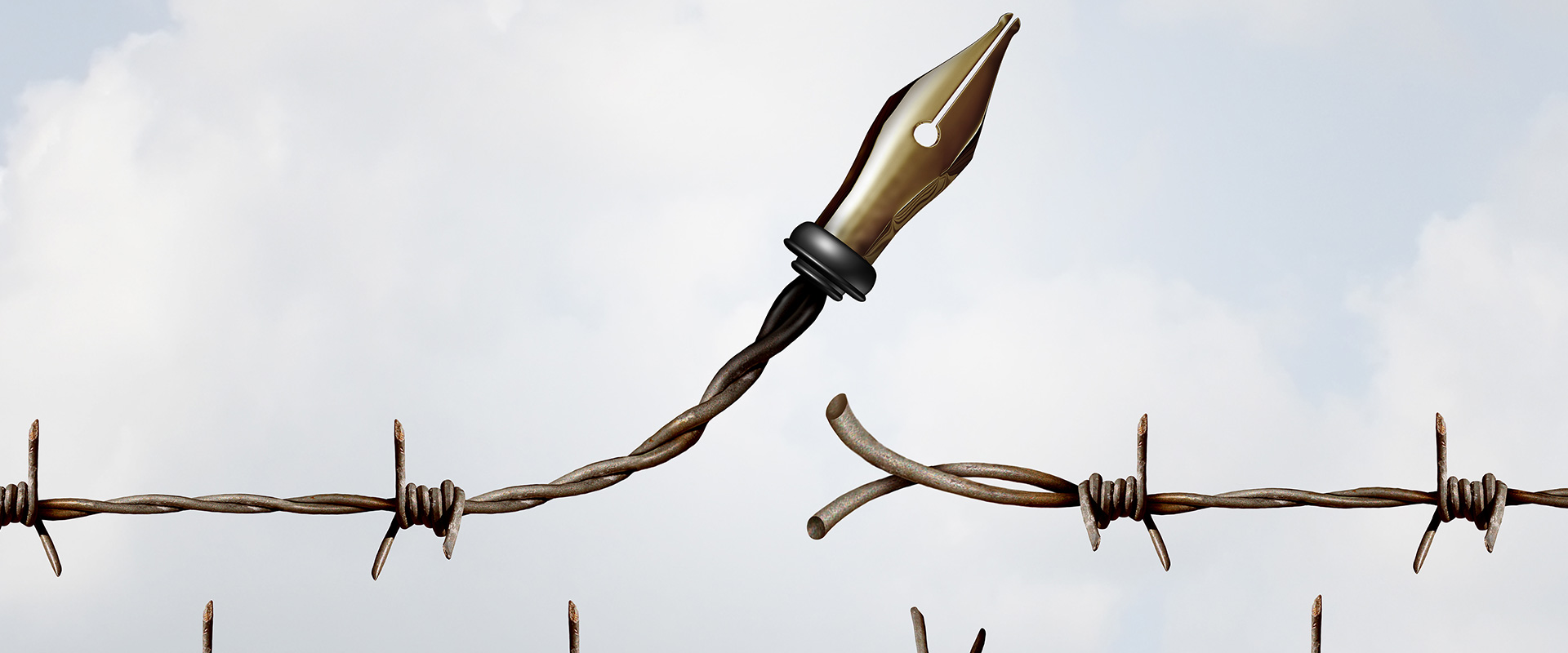
Criminalización de la protesta, el constante intento de meter la mugre abajo la alfombra
Si bien una buena parte de las innovaciones institucionales que se siguen de abandonar la concepción puramente electoral de la representación requerirían cambios institucionales a nivel constitucional y por lo tanto un alto nivel de consenso político y social (7), otro conjunto de innovaciones institucionales podrían ser compatibles con nuestro texto constitucional. En particular estoy pensando en espacios de …

Polítika vs. Prensa: Fotografía de una batalla
La fotografía se completa con los intereses y pugnas subyacentes. Así como en las guerras solo ganan los vendedores de armas, en la batalla entre política y prensa, solo triunfan los enemigos de la libertad de expresión.

Affaire des affiches
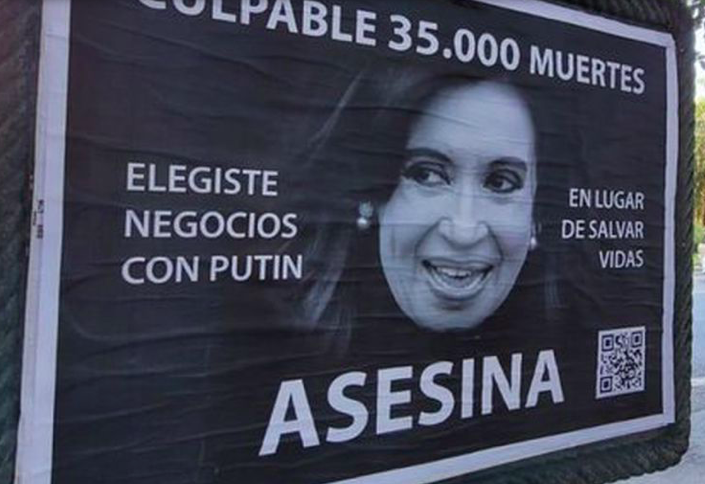
Podríamos también preguntarnos: ¿Cuántos recursos han tenido que ser movilizados y serán utilizados en estas causas? ¿No es importante tener en cuenta que aquello que se denuncia en los panfletos es parte del debate público y, más aún, se refiere a una figura pública y a un tema que forma parte de la agenda pública? ¿Qué implica que la vicepresidenta haya sido aceptada como querellante en una causa en la que se …
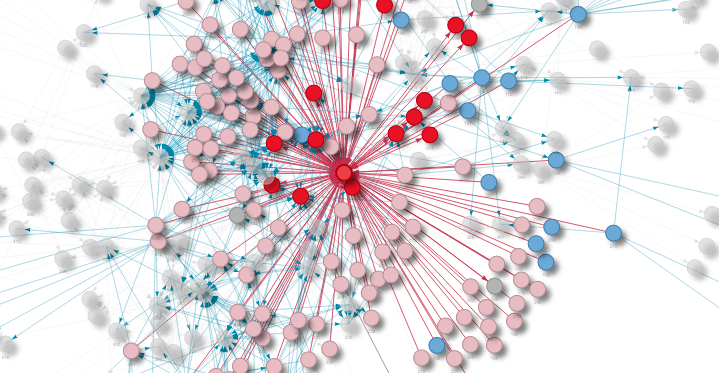
La jurisprudencia como una red que crece
Durante el 2021, desde el CELE llevamos adelante una investigación sobre la jurisprudencia civil en materia de responsabilidad de intermediarios.
Deuda y fake news
En los siguientes párrafos voy a intentar reflexionar brevemente sobre la posibilidad de castigar las noticias falsas a partir de algunos eventos recientes.

Nueva candidatura para la Dirección de la AAIP
La AAIP está sin Director desde enero de 2021, tras la renuncia del entonces Director Eduardo Bertoni. En marzo de ese año, Jefatura de Gabinete de Ministros postuló al abogado Gustavo Juan Fuertes para el cargo, pero terminó dando de baja su candidatura luego de que ésta fuera blanco de críticas e impugnaciones que, por unanimidad, coincidían en que el postulante no era idóneo para el cargo.
Sobre el secreto de las fuentes periodísticas
Hace algunas semanas que la justicia argentina pide al periodista Santiago O’Donnell la entrega de las cintas de grabación en las que registró conversaciones con Mariano Macri, hermano del ex presidente, que sirvieron de base para su libro Hermano. La decisión es del juzgado nacional en lo civil No. 6 y es contraria a numerosos precedentes judiciales de instancias más relevantes—-cámaras de apelaciones, …

Sobre las posibilidades de la censura privada
Dentro del equipo del CELE discutimos, la semana pasada, la cuestión de la censura privada—-es decir, los casos en los que personas u organizaciones son excluidas del debate público por decisión de empresas privadas que, alegando su propia libertad de expresión deciden expulsar de sus plataformas a personas con discursos indeseables, que violan sus términos y condiciones, etcétera (algunos le llaman deplatforming). …

Proyecto de ley contra el silencio, obstaculizado por congresistas colombianos
En Colombia se discute un proyecto de ley
¿A quienes necesita el debate público?
En ese ecosistema horizontal cada cual encontrará sus fuentes más confiables: podemos seguir en las redes sociales a todo tipo de personas, incluyendo—por ejemplo—a los principales asesores del presidente en los procesos de toma de decisiones sobre la pandemia, lo que ofreció algo de transparencia a un proceso por demás oscuro. Y seguramente sea deber de los ciudadanos de a pie revisar, periódicamente, esa confianza.

¿Restringir el debate para proteger la democracia?
En conclusión, el proyecto de ley que busca sancionar expresiones “negacionistas” tiene serios problemas en términos de libertad de expresión y por ello daña la calidad de nuestra esfera pública. Si nos interesa la democracia es porque nos permite discutir sobre las reglas que nos rigen como comunidad. Prohibir la discusión sobre esas reglas en nombre de la democracia simplemente no tendría sentido.

Los funcionarios públicos y la desinformación.
Los funcionarios públicos y la desinformación Esta semana presentamos un nuevo ensayo https://www.palermo.edu/Archivoscontent/2021/cele/papers/Desinformacion-y-funcionarios-publicos.pdf que desarrollamos con la Oficina R
“Mirando Al Sur: Hacia nuevos consensos regionales en materia de responsabilidad de intermediarios y moderación de contenidos en Internet”.
¡Nueva publicación! “Mirando Al Sur: Hacia nuevos consensos regionales en materia de responsabilidad de intermediarios y moderación de contenidos en Internet”. El reporte ha sido preparado por Derechos Digitales y el CEL

OPORTUNIDAD CELE
Oportunidad para sumarse al CELE! Arrancamos dos proyectos nuevos y buscamos sociólogos y asistentes de investigación interesados en la materia. Como parte de la política del CELE, promovemos particularmente la postulación de diversidades étnico -raciales y de genero.
Igualdad y libertad de expresión: Planteo de un problema
La libertad de expresión es un derecho fundacional de los sistemas constitucionales modernos. Ha sido identificada como la “piedra angular” del sistema democrático y como un derecho a priori, sin el cual la democracia no puede funcionar. Como casi todos los derechos, sin embargo, la libertad de expresión se ve fuertemente afectada por la desigualdad que caracteriza a la mayor parte de las sociedades occidentales, un …

On “Denialism” as a Criminal Offense
I understand that the bill has little chance of being approved, but it deserves some consideration for at least three reasons. First, because it introduces criminal law as a state tool in the process of constructing collective memory regarding the crimes of the last military dictatorship, and in that sense, it represents a significant shift from the strategies adopted thus far. Second, because in doing so, it raises …

Special Rapporteur on Freedom of Expression
At CELE, we welcome this first step the Commission is taking to address this issue, and we appreciate that it is doing so through a process of open, multisectoral dialogue. As this process begins, it is essential, on the one hand, to bring governments into this dialogue, given the growing legislative interest in the matter; to promote the participation of the entire region, including the U.S. government and civil …
Latin America Legislative Report 2020/21
Starting this year, the CELE Legislative Observatory will be posting a summary of monthly legislative activity and/or regulatory developments, court decisions, or private content moderation decisions occurring in the nine countries that are part of the Legislative Observatory, providing context and links related to the topics of inter

2020 Annual Report
In 2020, CELE, together with its team of researchers and collaborators, produced more than 11 academic articles in its various areas of research. We continued to maintain the Legislative Observatory, the region’s only repository of laws and bills related to freedom of expression. In addition, through the iLEI, we launched two new research projects. The first focuses on the study of corporate self-regulation and its …
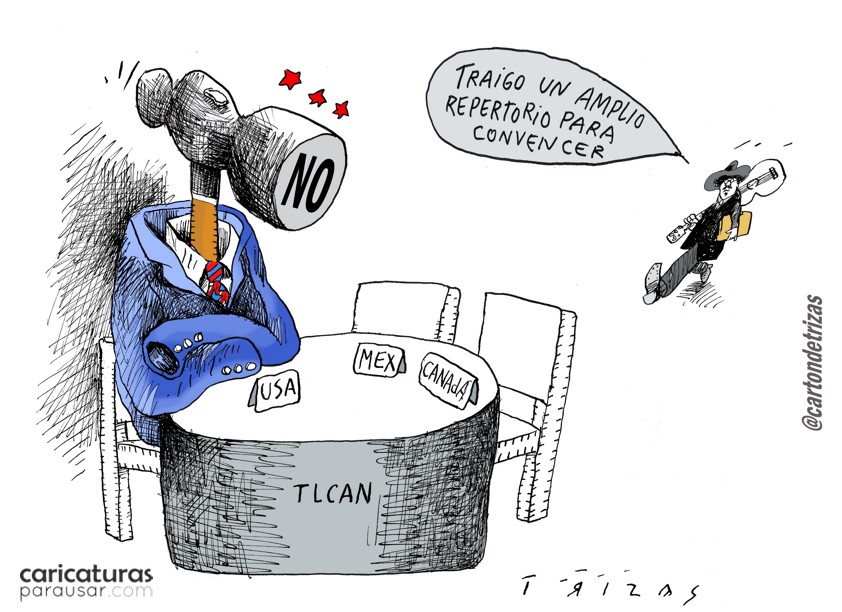
The 2020 Mexican USMCA: Practices and Lessons Learned
Mexico’s recent experience with the USMCA clearly demonstrates the importance of multisectoral internet governance. It also clearly shows the need for broad and substantive debates on regulatory matters, particularly when they impact human rights. The Inter-American System requires that States ensure any limitation on freedom of expression be protected and clearly established by law, both formally and substantively. …
Argentina Conectada Bis. Mejores practicas y lecciones aprendidas del ejercicio 2020
En pos de una efectiva aplicacion de politicas publicas, la revision de las lecciones aprendidas en experiencias previas es condicion necesaria. La intervencion debe tener objetivos viables, ser de caracter legitimo a través de la posibilidad de monitoreo y acceso a la información pública, ser transparente en cuanto al uso de fondos. Debe contar con la participación de pluralidad de actores de todos los sectores …

Cyberpatrolling or intelligence?
The Ministry’s responses leave serious questions unanswered. Among the points worth noting, it is alarming that prevention efforts are carried out “manually,” as indicated by the authorities at the meeting. What does this mean? How are these tasks carried out on a day-to-day basis? How can content be anonymized if monitoring is “manual”? The impact of social media surveillance on our fundamental rights takes on even …

#platformlaw: How do appeals regarding private content moderation work?
In the public interest: Perhaps the distinction regarding the public interest is most useful for informing prioritization decisions. If the conversation or content is in the public interest, it should be prioritized. Such determinations will likely arise, however, from the intersection of two or more of the criteria we have already mentioned: local/regional context; the nature of the person (public or private); and …

Social Media in Latin America: Between a Rock and a Hard Place
Latin American users—particularly those involved in activism or social movements—find themselves caught between a rock and a hard place. In this context, it is more necessary than ever for civil society and activists in Latin America to speak out in global debates on content moderation practices and freedom of expression.
Applause, pot-banging protests, and message chains: the rights to assembly and association in Argentina during the pandemic
What do the 2015 protests organized by the feminist group Ni Una Menos have in common with the applause and pot-banging demonstrations during the pandemic? In both cases, the protests were organized through social media

Internet Governance and the Judiciary
Why is it so difficult for the judiciary to engage with these forums? If there is a desire on the part of governance bodies for the judiciary to participate, and on the part of judicial officials to gain a deeper understanding of internet-related issues, where are we falling short? What opportunities for debate and conversation are we missing out on? Perhaps this post can, at the very least, serve as an invitation to …

Guatemala: The Temptation to Use the State of Emergency to Silence Critics and Criminalize "Fake News"
If Guatemala were a country—like a few others in Latin America—that had an adequate social security and public health system, perhaps the facts themselves, as reported in the news, would not be so alarming. If there were a commitment to transparency, accountability, and proper data management during the pandemic, perhaps the government itself would not be causing so much confusion with the information it provides. …

CFK vs. GOOGLE: Theoretically interesting, but in reality mundane
Last week, I was involved in several discussions regarding the motion for early discovery filed by and granted to Cristina Fernández de Kirchner (CFK) against Google LLC. Perhaps the most interesting aspect of this exchange was
COVID-19: Data Protection and Internet Access During the Pandemic
Ecuador has yet to adopt measures to protect and regulate citizens' data, nor has it been able to ensure internet access for the entire population

Colombia - CNE: Another Approach to Regulating Election Campaigns on Social Media
The National Electoral Council (CNE) in Colombia launched an investigation into one of the candidates for mayor of Tarqui, Huila, in the October 2019 elections because he used his personal Facebook account in May 2

Workshop: "Toward Better Internet Regulation in Latin America - #CELE20"
We invite you to participate in the 8th edition of the CELE workshop, “Toward Better Internet Regulation in Latin America.” This year, more than ever, it is important to understand our digital rights and what is happening with
COVID-19 Survey: Data Collection Without Clear Objectives
“The art of asking a question should be of greater value than answering it.” Although Georg Cantor was referring to the mathematical sciences, this statement could also be applied to the world of surveys. The information that
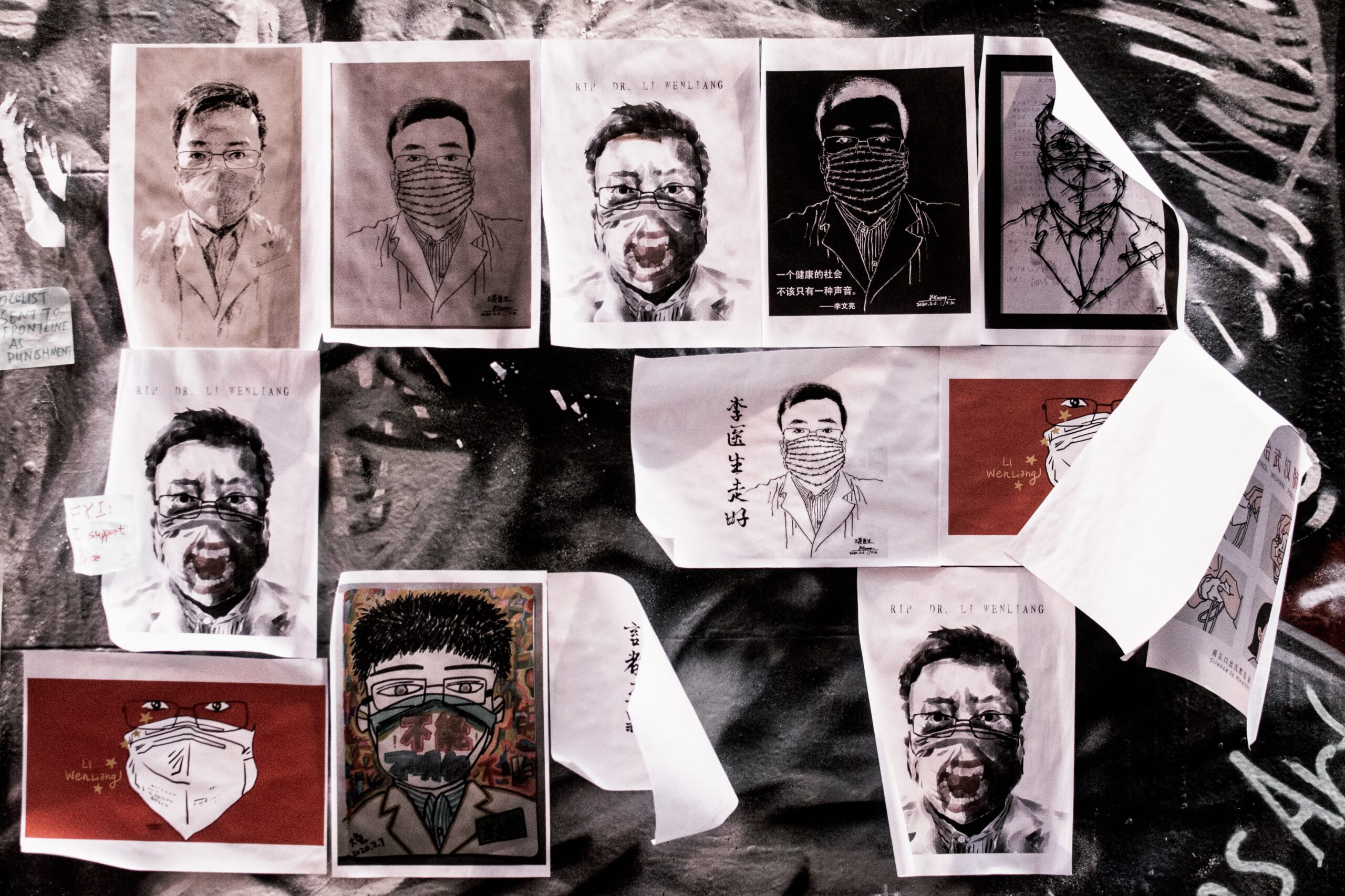
The Brazilian Congress's approach to disinformation and platform regulation puts freedom of expression at risk
The COVID-19 pandemic and the political crisis that followed in Brazil sparked legislative efforts to address issues related to disinformation and platform regulation.

The Pandemic and Combating Misinformation
COVID-19 also sparked a pandemic of misinformation on social media. Conspiracy theories, miracle cures, alternative or experimental treatments, and healing blessings are the order of the day. L

Coronavirus: Data Protection and Confidentiality in Ecuador
The global health emergency caused by the spread of the COVID-19 virus has led the governments of the hardest-hit countries to adopt measures to slow the virus's spread. Restrictions on movement, the closure of
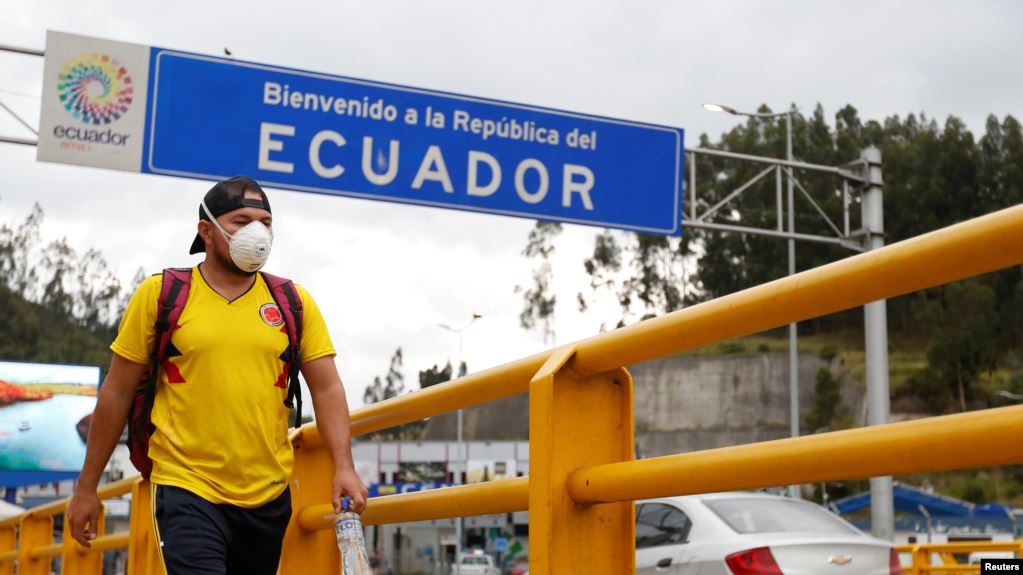
Landmark Ruling by Ecuador's Constitutional Court
During Rafael Correa’s administration, efforts to exert pressure on the media took various forms. Beyond the passage of the Communications Law—known as the “gag law”—and public ridicule

The “proper use” of social media?
In October of last year, a bill was introduced in the Colombian Congresshttps://observatoriolegislativocele.com/colombia-proyecto-de-ley-sobre-regulacion-del-buen-uso-y-funcionamiento-de-redes-sociales-y-sitio

Presentation of the Observatory in Mexico
Presentation of the Legislative Observatory on Freedom of Expression in Mexico by Juan Carlos Arjona Estévez Last March, the Legislative Observatory on Freedom of Expression was presented in Mexico; it is coordinated by
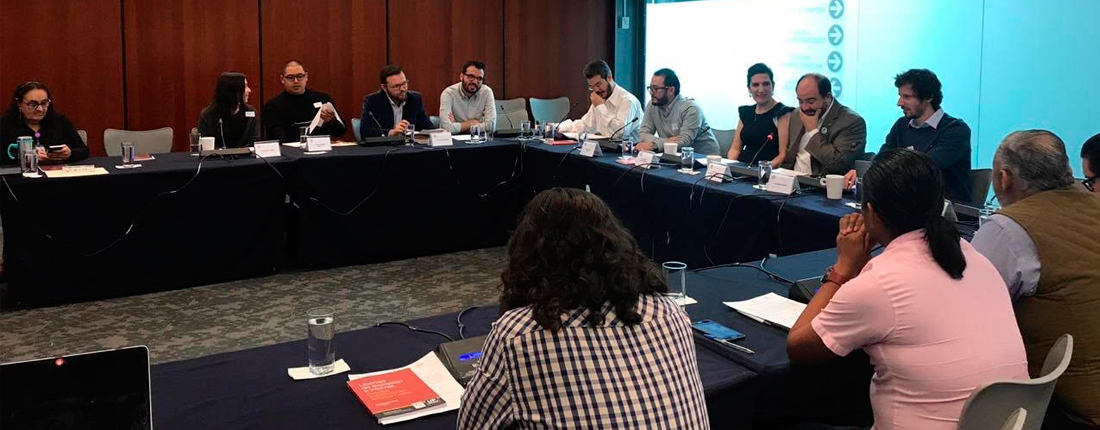
Some regional trends
What does the current regulatory landscape tell us? Generally speaking, at the regional level, we can identify some conclusions and trends common to all the countries analyzed, which provide context for the charts that p

Bienvenida al Blog del #ObservatorioCELE!
Queremos darles la bienvenida al Blog del Observatorio Legislativo del CELE! Esta nueva sección será un espacio para compartir novedades, curiosidades y análisis vinculados a los debates legislativos que están ocurriendo



Publications
Peru stands out as one of Latin America’s most legislatively active countries on artificial intelligence (AI) and the first in the region to adopt a comprehensive AI regulatory framework. Anchored by Law 31814 (2023) and its implementing regulation (Supreme Decree 115-2025-PCM, effective January 2026), the framework adopts a risk-based approach modeled partly on the European Union’s AI Act. It prohibits mass surveillance without a legal basis and requires algorithmic transparency for high-risk systems. Law 32314 …
Argentina – Nuevo Proyecto de Ley de Regulación de Intermediarios en Internet frente a la difusión de contenidos ilícitos
Informe Legislativo No. 17Análisis del proyecto de ley PL 2818-D-2025 sobre responsabilidad de intermediarios de Internet en Argentina frente a contenidos ilícitos generados por terceros, en el contexto de la jurisprudencia de la Corte Suprema (caso Rodríguez, 2014) y en comparación con estándares como el Digital Services Act europeo.
Global AI Governance: Who Regulates, with what Approach, and for Whom?
CELE Research Paper No. 67SSRN ID: 5311517This report presents a mapping of the main international, regional and national regulatory initiatives on artificial intelligence. In a scenario characterized by a growing normative competition to define regulatory models in the subject, most initiatives have points in common but—in many cases—differ in their approaches and their legal framing. We observe a consolidated trend towards regulatory frameworks focused on the risks involved in the development and implementation of technology, wher
Digital constitutionalist theorists propose a framework to analyze and potentially resolve power struggles in the digital age, particularly—although not exclusively—power struggles over content management. The concept is proposed as both a historical moment and a theoretical framework and has been developed mainly in Europe. The model could have potential for globalization and proposes an interesting approach to power struggles in an age of inter-jurisdictional technology and a highly concen
Regulatory Modeling. Tracking the Influence of the Digital Services Act in Latin America
CELE Research Paper No. 63; Latin American Journal of European Studies, 2025[ 10.51799/2763-8685v5n1017 ]SSRN ID: 5197380This article discusses the Digital Services Act (DSA) of the European Union as a possible candidate for a process of regulatory modeling, one of the mechanisms through which the laws of a country or a region migrate to other countries. It is a relatively usual global phenomenon, in which it is possible to expect certain dynamics, such as the prevalence of central countries or the advantages of first movers. In this work we argue that Latin American legislators are showing signs of wanting to imi
Open Source Intelligence (OSINT) and Human Rights in Latin America: A comparative Report on Argentina, Brazil, Colombia, Mexico, and Uruguay
CELE Research Paper No. 57bSSRN ID: 5157855The use of OSINT by the state for surveillance purposes presents specific challenges regarding human rights. These tools can lead to violations of fundamental rights and are often employed outside the boundaries of legality. As this study will show, their use is generally unregulated, and where regulations do exist, they are inadequate. Under broad and vague definitions, intelligence and security authorities monitor open sources of information on the internet, such as social networks, blogs, mag
Open Source Intelligence (OSINT) in Argentina: A Diagnosis of its Use by the State
CELE Research Paper No. 57aSSRN ID: 5157843The current global landscape shows a growing trend in the development, acquisition, and use of mass surveillance technologies by states. The regional context is no different. This trend intensified with the increased use of such technologies following the onset of the COVID-19 pandemic. Moreover, states are often reluctant to provide information about their use of surveillance technologies. Cases of illegal state espionage have multiplied across the region, typically targeting political dissiden
Supporting Media Viability in the Americas. Towards Sustainable Journalism
CELE Research Paper No. 54SSRN ID: 5157185If journalism is an essential gear of democracy, then democracy is somewhat in danger. While the Internet has offered the world unparalleled access to information, journalism as an industry is in crisis. In many countries around the world, but especially in Latin America, the possibility of making a living out of the desire to tell stories is increasingly shrinking. Media outlets suffer from the migration of private and public advertising to the Internet, a process that has empowered several int
The Regulation of Freedom of Expression in Latin America: Findings, Trends, and Legislative Challenges
CELE Research Paper No. 53SSRN ID: 5157165For more than a decade, various legislatures across Latin America have been enacting laws and proposing initiatives aimed at directly or indirectly regulating the digital space. These spaces are an essential part of the personal, political, and cultural lives of millions of people. Moreover, they serve as arenas where a wide range of human rights, including freedom of expression, are exercised and enjoyed. This evolving landscape raises a fundamental question: how does internet regulation impact
Looking South: Towards New Regional Consensus on Internet Intermediary Liability
CELE Research Paper No. 49SSRN ID: 5154647In Latin America, there is no consensus on the appropriate regulations for dealing with internet intermediary liability. The Office of the Special Rapporteur for Freedom of Expression of the OAS established regional guidelines for regulating intermediary liability in 2013 and 2016, aiming to protect freedom of expression. However, these guidelines have not been successfully incorporated into the domestic regulatory frameworks of various countries, with the exception of Brazil. In general terms,
Analysis of the Debate Process on Legal Initiatives for Personal Data Protection and their Conflicts with the Right to Freedom of Expression: The Cases of Argentina and Ecuador
CELE Research Paper No. 47SSRN ID: 5154545Over the past decades, several Latin American countries have debated legislative proposals aimed at regulating the protection of personal data and privacy, driven by the growing developments in information and communication technologies. These advances have revealed that existing legislation is insufficient to safeguard individuals from potential threats to these rights in a digital environment, leading to the proposal of specific legislative reforms. However, while the primary objective of thes
Freedom of Expression and the Digital Gender Gap in Mexico
CELE Research Paper No. 42SSRN ID: 5152172The digital age has transformed access to information and the exercise of fundamental rights, including freedom of expression. However, a significant digital divide persists, exacerbating existing inequalities, particularly for women and marginalized communities in Mexico. This paper explores the intersection between freedom of expression and the digital gender divide in Mexico, analyzing how limited internet access and technological disparities impact the ability of women and non-binary individ
Hacia una Internet libre de censura IV es la cuarta entrega de la serie editada por el Centro de Estudios en Libertad de Expresión y Acceso a la Información (CELE) de la Universidad de Palermo, compilada por Agustina Del Campo. Publicado en 2019, el volumen reúne cinco contribuciones de investigadores y investigadoras de Argentina, México y Brasil que analizan los desafíos contemporáneos para el ejercicio de los derechos humanos en el entorno digital, con especial atención a la libertad de expresión y la gobernanza …
The Tension between the Protection of Intellectual Property and the Exchange of Content on the Internet. Regarding the Cuevana Case in Argentina and the 'Lleras Law' in Colombia
CELE Research Paper No. 40SSRN ID: 5152110This document takes the case of Cuevana—where an Argentine judge ordered the blocking of several pages of this website due to a possible violation of copyright laws—as a starting point to analyze the tension between intellectual property protection and content sharing on the internet. Drawing on the experience of countries that have led this public policy, the text highlights critical elements to consider, such as prior restrictions on internet access, the proportionality of the measures, and th
Guardians of the Access to Public Information Act: Analysis of the Implementation of the Guarantor Bodies
CELE Research Paper No. 38SSRN ID: 5152027The sanction of Law No. 27,275 on Access to Public Information constitutes a historic milestone in Argentina in the advance towards an institutional and democratic opening towards citizens. The law came into force one year after its publication, on September 29, 2017, with the objective of putting in place the state bureaucratic apparatus and generating the necessary mechanisms to guarantee the effective exercise of the right to know. But the regulatory framework is only the beginning. Its sanct
Durante 2017 surgieron tímidamente voces que identificaron la necesidad de nuevos estándares interamericanos a la luz de los desarrollos de Internet y también surgieron algunas propuestas para abordarlos. Este documento se propone contribuir a esta conversación revisando el marco de referencia en el sistema interamericano a la luz de estas nuevas problemáticas, evaluar la vigencia y relevancia de los estándares, constatar su amplitud y riqueza, y verificar si existen nuevos vacíos que convendría abordar. …
En los últimos años los debates en torno a la regulación de internet han cobrado mayor complejidad y sobre todo visibilidad y relevancia en la agenda pública. En el primer volumen de esta serie se destacaba la incipiente intervención estatal en la regulación de internet y la necesidad de encarar dicha intervención desde una perspectiva de derechos humanos. El volumen II abordó algunos de los temas más relevantes de la agenda legislativa y problemas asociados a la gobernanza de internet de modo más general. …
Secrets and Lies: WhatsApp and Social Media in Brazil's 2018 Presidential Election
CELE Research Paper No. 36SSRN ID: 5152001The 2018 Brazilian presidential elections marked a turning point in the role of digital platforms in political campaigns, with WhatsApp emerging as a central tool for information dissemination, mobilization, and disinformation. This study examines the use of WhatsApp as a mechanism for political communication, focusing on the viralization of false news and its impact on the electoral process. The research contextualizes the political landscape in Brazil leading up to the elections, analyzing the
WhatsApp, Mobile Politics and Disinformation: How did Fake News Go Viral in the Brazilian Elections?
CELE Research Paper No. 35SSRN ID: 5146457This paper examines the role of WhatsApp as a vehicle for the dissemination of disinformation during the 2018 Brazilian presidential elections. Given WhatsApp’’s widespread adoption in Brazil—where over 120 million users rely on the platform—its use as a political mobilization tool has intensified. The study analyzes how the platform’’s encrypted, private network structure facilitated the large-scale spread of false information, contributing to the polarization of public opinion and …
Libertad de expresión e Internet: desafíos legislativos en América Latina es una publicación del Centro de Estudios en Libertad de Expresión y Acceso a la Información (CELE) de la Universidad de Palermo, compilada por Agustina Del Campo y editada en 2018. El volumen surge del Observatorio Legislativo Regional en Libertad de Expresión del CELE y sistematiza el análisis de 93 leyes y 283 proyectos legislativos adoptados o presentados entre 1997 y 2017 en cuatro países de la región: Argentina, Ecuador, México y Perú. …
Criminalization of Discriminatory Expression in the Americas: The Case of Non-Consensual Pornography Regulation in Argentina
CELE Research Paper No. 31SSRN ID: 5146360This article, based on a contribution to the 2018 report of the United Nations Special Rapporteur on violence against women, addresses the growing trend in Latin America toward the criminalization of online speech. Often, initiatives that pursue well-intentioned objectives of combating discrimination and violence can, paradoxically, impact the rights of the very groups they seek to protect. In this regard, this paper analyzes, from a freedom of expression perspective, the specific case of legisl
En esta nueva publicación, y bajo la misma consigna, se abordan algunos de los temas más significativos que vienen marcando la agenda legislativa y regulatoria en materia de internet en América Latina. Todos ellos presentan aristas y asperezas que generan duros enfrentamientos entre pares académi cos, doctrinarios, legisladores, abogados, técnicos, compañías y usuarios. El primer artículo, escrito por Carolina Aguerre, aborda la gobernanza de internet y las distintas instancias de gobernanza local que se han …
Over-the-Top Services: Fundamental Principles for their Regulatory Treatment in Argentina
CELE Research Paper No. 28SSRN ID: 5138097The article aims to point out the main principles to be taken into account when analysing the regulatory framework for Over the Top services (OTTs). It provides a description of the current regulatory situation in Argentina, as well as arguments for and against the regulation of OTTs, and a section of conclusions and recommendations useful for the legislative discussion.
Internet Access in Argentina. Lessons Learnt from the Argentina Conectada Plan
CELE Research Paper No. 27SSRN ID: 5138093This report aims to provide an analysis of some aspects of the implementation of the national broadband plan Argentina Conectada. Given that internet access is key to the realisation of fundamental rights and, therefore, states must actively promote it, the effective implementation of plans such as Argentina Conectada is fundamental to achieving the objectives of connectivity. Hence the importance of learning from past failures and mistakes in order to build on them for a better future.
The Offence of ‘Grooming’ in Current and Projected Legislation in Argentina
CELE Research Paper No. 26SSRN ID: 5138091The crime of ‘grooming’ has been included in the Argentinean Criminal Code by means of Law No. 26.904 in 2013, the text of which caused controversy among different sectors. This report analyses the current and projected Argentinean legislation on this crime, both in the Criminal Code regulations and in the text of the Preliminary Draft of the Criminal Code. The aim of the article is to determine whether the proposed draft has been able to overcome the criticisms outlined regarding the inclusion
En el primer volumen de Internet y derechos humanos señalamos que los debates globales sobre regulación de internet se inclinaban hacia la idea de que es necesaria algún tipo de intervención de los Estados en la materia. En esa publicación decíamos, asimismo, que es vital que esto se realice desde una perspectiva de derechos humanos. En el último tiempo en América Latina han proliferado las iniciativas que buscan regular distintos aspectos de internet. Esta compilación, que reúne los trabajos más recientes …
This document, written by Paula Vargas de Brea - CELE researcher - addresses the issue of the regulation of non-consensual pornography on the internet, with the aim of providing a description of the current law that allows for its application or to determine whether another type of regulation is needed to provide effective solutions that respect all human rights. According to some organisations and academic institutions, the vast majority of these types of actions affect women, and this is becau
Internet in Argentina: Where are we Today? Mapping the Situation in Terms of Regulatory Access and Human Rights
CELE Research Paper No. 20SSRN ID: 5138073CELE Research Paper No. 20
¿Cómo debería regularse Internet desde una perspectiva de derechos humanos? Esta pregunta es muy amplia y encierra algunas cuestiones que parecen saldadas, aunque no es tan así. La primera cuestión que la pregunta asume como respondida es que es necesario regular Internet. Sobre este particular han existido muchos debates. Sin embargo, el fiel de la balanza parece estar inclinándose en favor de la existencia de algún tipo de intervención del Esta do en temas vinculados con Internet. Asumida la necesidad de la …
Collaboration in ‘Cuadernillos de Temas Emergentes’ of the National Institute of Human Rights of Chile
CELE Research Paper No. 18SSRN ID: 5138054Here, we present the work carried out by the Internet Freedom of Expression Initiative (iLEI), CELE’s special programme that aims to provide advice and technical support to Internet policy makers and advocates. Net neutrality, privacy, copyright, intermediary liability, and their relationship to fundamental rights are some of the topics that appear in this compilation. All of these are issues that have appeared in the regulations and legislative proposals that have started to be drafted in Lati
Access to Information and Personal Data: An Old Tension, New Challenges
CELE Research Paper No. 11SSRN ID: 5125874Access to public information and the protection of personal data are two fundamental rights whose harmonization presents significant challenges in Latin America. This document, the result of the project Access to Information and Personal Data: An Old Tension, New Challenges, analyzes the relationship between these concepts and proposes principles for their reconciliation. Through a comparative study of Argentina, Chile, Uruguay, Mexico, and Peru, it examines regulatory and institutional tensions, implementation …
Domain Names: An Expression Worth Protecting. Recommendations and Suggestions for Local Administrators in Latin America and Beyond
CELE Research Paper No. 10SSRN ID: 5125849CELE Research Paper No. 10
Eduardo Bertoni y Agustina del Campo, “Calumnias e injurias: a dos años de la reforma del Código Penal argentino”, Artículo de investigación No. 9, Centro de Estudios en Libertad de Expresión (CELE), Buenos Aires (2012)
Slander and Libel: Two Years After the Reform of the Argentine Penal Code
CELE Research Paper No. 9SSRN ID: 5125804CELE Research Paper No. 9
Acceso a la información y seguridad nacional en América Latina
CELE Research Paper No. 18Eduardo Bertoni, Edison Lanza, Mariana Mas, Natalia Torres, “Acceso a la información y seguridad nacional en América Latina”, Artículo de investigación No. 8, Centro de Estudios en Libertad de Expresión (CELE), Buenos Aires (2012)
National Security and Access to Information in Latin America: State of Affairs and Challenges
CELE Research Paper No. 8SSRN ID: 5125798CELE Research Paper No. 8
CELE Research Paper No. 6
Agustina Del Campo y Eduardo Bertoni, “Despenalización de la expresión: la experiencia argentina”, Artículo de investigación No. 6, Centro de Estudios en Libertad de Expresión (CELE), Buenos Aires (2012)
Institutional Design and Effectiveness of Agencies Responsible for Protecting Journalists and Investigating Crimes Against the Press: Mexico, Colombia, and Guatemala
CELE Research Paper No. 5SSRN ID: 5125745CELE Research Paper No. 5
Institutional Design and Effectiveness of the Agencies Responsible for Protecting Journalists and Investigating Crimes Against the Press: Mexico, Colombia and Guatemala
CELE Research Paper No. 5SSRN ID: 5124165CELE Research Paper No. 5
La tensión entre la protección de la propiedad intelectual y el intercambio de contenidos en la red. A propósito del caso Cuevana en Argentina y la 'Ley Lleras' en Colombia (The Tension Between The Protection Of Intellectual Property And The Exchange Of Content On The Internet. Regarding The Cuevana Case In Argentina And The 'Lleras Law' In Colombia)
CELE Research Paper No. 4SSRN ID: 5123196CELE Research Paper No. 4
Desde el Centro de Estudios en Libertad de Expresión y Acceso a la Información (CELE) de la Universidad de Palermo, las preguntas que nos hemos formulado son: ¿de qué modo afectan estas políticas el ejercicio de la libertad de expresión en Internet? ¿Cuál es el vínculo entre la responsabilidad de los proveedores de servicios de Internet y la libertad de expresión? ¿Qué incentivos genera, en relación con la posibilidad de ejercitar plenamente la libertad de expresión, para usuarios y empresas la adopción de un …
Eduardo Bertoni, “Hacia una internet libre de censura. Propuestas para América Latina”, Compilaciones No. I (ESP), Centro de Estudios en Libertad de Expresión (CELE), Buenos Aires (2012)
Promoción del acceso a la información pública a través del sistema educativo: La experiencia de México
Research Paper No. 3Andrea de la Fuente y María Rosario Soraide Durán, “Promoción del acceso a la información pública a través del sistema educativo: La experiencia de México”, Artículo de investigación No. 3, Centro de Estudios en Libertad de Expresión (CELE), Buenos Aires (2011)